
 E-Paper



Manipal Hospital cardiologist explains why delaying chest pain treatment is risky; how modern options help save heart

 Prefer HTon Google


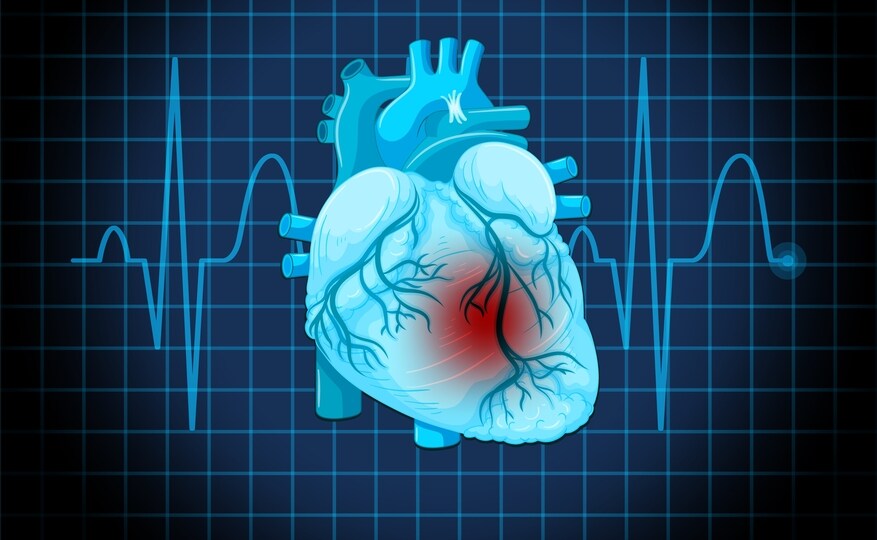
Timely medical intervention is critical for heart attack patients, according to Dr Keshava. He outlines emergency tests and treatments that can minimise damage.
According to data provided by the Centres for Disease Control and Prevention (CDC), a heart attack is a leading cause of death for both men and women globally. Therefore, educating oneself about the symptoms and getting timely treatment could be the answer to safeguarding oneself from this deadly heart disease.
When it comes to heart attacks, doctors often say, 'time is muscle.' To understand this statement and why ignoring symptoms such as chest pain could be dangerous, HT Lifestyle got in touch with Dr Keshava R, HOD and consultant – interventional cardiology, Manipal Hospital, Old Airport Road.
According to Dr Keshava, “Every minute that passes after a heart attack begins, more of the heart muscle is damaged — and that damage can become permanent. Acting quickly can be the difference between full recovery and lifelong heart weakness.”
Heart attack damages your heart muscles quickly
The first hour after symptoms of a heart attack start is called the golden hour, according to the cardiologist. It is the time period when treatment can limit heart muscle loss to less than 10 percent.
The cardiologist further explains, “If help is delayed by six hours, up to 25 percent of the heart muscle may be injured; by twelve hours, it can be 50 percent. After 24 hours, as much as 90 percent of the heart tissue at risk may be permanently damaged. In simple terms: the longer one waits, the less muscle remains to save.”
Signs to never ignore
He warned that many people hesitate to visit the hospital because they fear surgery or expect the pain to pass. However, “signs such as chest pain, shortness of breath, an unusually fast heartbeat, or even sudden fainting (known medically as syncope) should never be ignored.”
“The delay can be deadly, not just because of the heart muscle damage, but also because some people don’t survive long enough to reach the hospital,” Dr Keshava added.
“About 10 percent of heart attack victims experience what is called ‘sudden cardiac death,’ which occurs within an hour due to extreme rhythm disturbances and sudden drop in blood pressure,” he cautioned.

Treatment options
For those who reach the hospital in time, Dr Keshav highlighted early tests such as an ECG (which records the heart’s electrical activity), an echocardiogram (an ultrasound scan of the heart), and a troponin test (which detects signs of heart muscle injury).
He added, "They help doctors confirm a heart attack quickly. Emergency medicines like aspirin (a blood thinner) and cholesterol-lowering drugs are usually given immediately to prevent the clot from worsening.
Treatment options, according to the cardiologist, depend on the hospital's resources and the patient's arrival time. Here are some options he highlighted:
“The first option is thrombolytic therapy, which are special medications that dissolve the blood clot blocking the artery into the heart. It is inexpensive and useful where facilities are not advanced. However, even if the doctor goes to bat for the patient with thrombolysis, about 7 to 8 percent of patients die despite coming to the hospital,” Dr Keshava explained.
The second option, according to the cardiologist, is primary angioplasty. “It is a procedure which allows the doctor to minimise interventions by inserting a thin tube (catheter) into the artery that is blocked in order to open and allow blood to flow through. If it is done within 90 minutes of the patient arriving at the hospital, it is effective, and the mortality could be reduced to 4 percent,” Dr Keshava shared.
Lastly, he noted that leading cardiac centres now use the latest tools to make angioplasty even safer and more effective, such as laser angioplasty, which uses focused light energy to gently clear tough blockages, and devices that remove or soften hardened calcium within arteries.
“Modern cardiac technology has made emergency treatment faster, safer, and far less intimidating than many people imagine. The key message doctors stress is simple: Don’t wait. The earlier chest pain is checked, the greater the chance of saving the heart muscle and life itself. Quick action, not fear, is what truly protects the heart,” Dr Keshava cautioned.
Note to readers: This article is for informational purposes only and not a substitute for professional medical advice. Always seek the advice of your doctor with any questions about a medical condition.


Catch your daily dose of Fashion, Taylor Swift, Health, Festivals, Travel, Relationship, Recipe and all the other Latest Lifestyle News on Hindustan Times Website and APPs.


