
 E-Paper



Mumbai surgeon reveals how long do dental implants really last: 'The honest answer is...'

 Prefer HTon Google


Looking for a practical guide on the lifespan of dental implants and the essential steps you must take to protect your investment? Read on for all the info.
Dental implants are considered the gold standard for replacing missing teeth, providing a permanent and natural-looking solution. But for patients considering this significant investment, the biggest question is always: “How long will they last?” Also read | Dentist warns of 4 major health risks of missing tooth: ‘Jawbone begins to shrink…’
In an interview with HT Lifestyle, Dr Nitesh Motwani, certified oral and maxillofacial surgeon, and co-founder of Smile Concepts Multi Speciality Dental Clinic, revealed the true lifespan of implants and the crucial steps for ensuring their longevity.
According to Dr Motwani, the impressive durability of dental implants means they can last anywhere from 15–20 years to a lifetime when placed correctly and maintained diligently. He said, “Dental implants have transformed modern dentistry by offering one of the most durable, natural-looking, and predictable solutions for missing teeth. Patients often ask me the same question: 'How long will my implants last?'”
He added, “The honest answer: with the right technique, good bone support, and disciplined aftercare, dental implants can last 15-20 years to a lifetime. But their longevity depends on several controllable and uncontrollable factors. Here’s a clear, practical breakdown of what affects the lifespan of implants — and the steps you can take to protect your investment for the long run.”
What’s the typical life span of an implant?
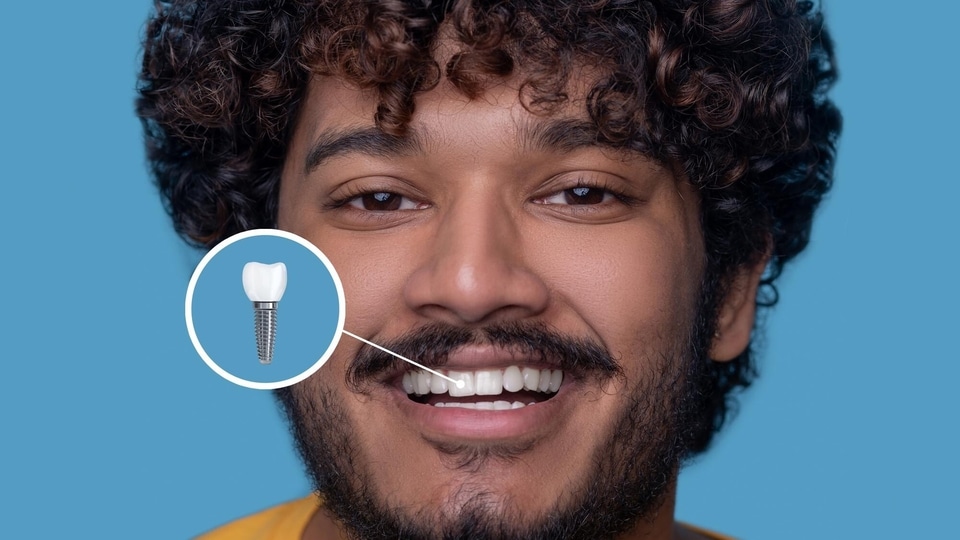
The key to understanding their lifespan lies in the main components of the implant system. Dr Motwani shared that a dental implant has two main components:
1. The titanium/zirconia implant fixture (the root) is beneath the gums
2. The prosthetic crown/bridge (the visible tooth) - seen in the mouth
Dr Motwani explained, “The implant, once placed in the jawbone, undergoes a process called osteointegration. Once fully fused and stable, implants rarely fail unless affected by gum disease, bone loss, or trauma. Studies show 90-95 percent survival rates over 20 years, and many patients retain their implants for life.”
Speaking of prosthetic crown/bridge that lasts ‘10–15 years’, he added, “The prosthetic crown is subjected to daily chewing forces, temperature fluctuations, and wear. High-quality ceramic crowns last about a decade or more, but they may need replacement earlier if you grind your teeth or chew hard items.”
5 factors that jeopardise implant longevity
Dr Motwani shared that while the implant fixture is designed to be permanent, its surrounding support structure is vulnerable to controllable factors:
1. Oral hygiene
The most common cause of implant-related problems is peri-implantitis—a gum infection similar to periodontal disease. Poor cleaning allows plaque and bacteria to collect around the implant, leading to bone loss.
2. Smoking
Smoking reduces blood flow, delays healing, and significantly increases implant failure rates. Smokers have nearly 2–3 times higher risk of complications.
3. Chronic medical conditions and infections
Diabetes (poorly controlled), osteoporosis, immune disorders, and chronic sinus issues may influence healing and long-term success.
4. Bite forces
Night grinding (bruxism) or an imbalanced bite can overload the implant, loosening screws or damaging crowns over time.
5. Surgical technique and planning
Implant success definitely depends on bone availability, proper planning and atraumatic.

Dr Motwani's 7 steps to maximise implant lifespan
To protect them, and ensure your implant lasts for decades, Dr Motwani recommended a proactive approach focused on hygiene and protective habits:
1. Maintain excellent daily oral hygiene
Implants require the same care as natural teeth—sometimes even more.
Follow this daily routine:
• Brush twice daily with a soft toothbrush
• Use interdental brushes around the implant neck or floss
• Consider a water flosser for deeper cleaning
• Rinse with an alcohol-free antibacterial mouthwash if recommended
A clean implant environment avoids early bone loss and gum irritation.
2. Schedule regular implant check-ups
Regular check up at least twice a year for professional cleaning and radiographic evaluation improves life . Implant-specific cleaning removes hard tartar deposits from areas you can’t reach at home.
3. Protect your implants from excessive bite forces
If you grind your teeth at night, wearing a night guard is essential. It prevents micro-fractures, screw loosening, and unwanted forces on the crown and implant. For patients with multiple implants or full-arch prosthetics, the uneven forces cause a lot of wear and tear
It’s recommended to have occlusal adjustment (fine-tuning the bite) to minimise stress.
4. Avoid damaging habits
Stay away from:
• Chewing ice
• Chewing on tough dry fruits with your teeth
• Biting on pens
• Using your teeth as tools
These habits can fracture crowns or strain the implant structure.
5. Keep medical conditions well-controlled
For patients with diabetes or thyroid disorders, stabilising health parameters directly improves implant survival rates. It’s very important to share your recent medicines and relevant medical history with the doctor before the procedure is performed.
6.Quit smoking or reduce it significantly
Smoking compromises healing around implants. Even reducing cigarette frequency around the surgical period helps, but long-term cessation has a dramatic improvement in implant health and bone stability.
7. Eat a balanced, nutrient-dense diet
A diet rich in vitamin D, calcium, protein, and omega-3s supports bone health and reduces inflammation around implants. Hydration also helps maintain healthy gum tissue.
Warning signs: when to seek immediate help
Quick intervention can stop early inflammation from progressing into irreversible bone loss – according to Dr Motwani, seek immediate dental consultation if you notice:
• Bleeding while brushing
• Swelling or tenderness near the implant
• Mobility in the crown
• Sudden bite changes
He concluded: “Implants are one of the strongest, most successful dental treatments available today. With proper placement and diligent care, they can easily last decades — often your entire lifetime. As an oral implantologist, I tell every patient, 'Your implant is like a long-term partnership between you and your dentist. The more you care for it, the longer it rewards you. Invest in good hygiene, regular follow-ups, healthy habits, and a balanced lifestyle — and your implants will stay strong, functional, and beautiful for many years to come'.”
Note to readers: This article is for informational purposes only and not a substitute for professional medical advice. Always seek the advice of your doctor with any questions about a medical condition.


Catch your daily dose of Fashion, Taylor Swift, Health, Festivals, Travel, Relationship, Recipe and all the other Latest Lifestyle News on Hindustan Times Website and APPs.


