
 E-Paper



New dietary guidelines recommend more plant-based foods, limit processed items and added sugars

 Prefer HTon Google


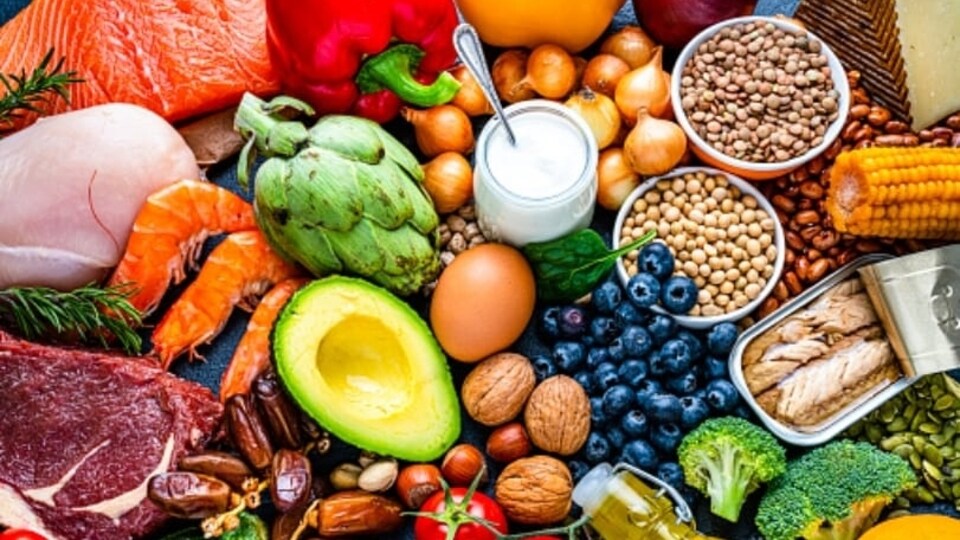
A nutrition panel advises Americans to consume more legumes and limit red and processed meats, while avoiding ultraprocessed foods and alcohol discussions.
Americans should eat more beans, peas and lentils and cut back on red and processed meats and starchy vegetables, all while continuing to limit added sugars, sodium and saturated fat. That's the advice released Tuesday by a panel of nutrition experts charged with counselling the U.S. government about the 2025 edition of the dietary guidelines that will form the cornerstone of federal food programs and policy.
But the 20-member panel didn't weigh in on the growing role of ultraprocessed foods that have been linked to health problems, saying there's not enough evidence to tell people to avoid them. And the group steered clear of updating controversial guidance on alcohol consumption, leaving that analysis to two outside reports expected to be released soon.
Overall, the recommendations for the 2025-2030 Dietary Guidelines for Americans sound familiar, said Marion Nestle, a food policy expert. “This looks like every other set of dietary guidelines since 1980: eat your veggies and reduce consumption of foods high in salt, sugar and saturated fat,” Nestle said in an email. “This particular statement says nothing about balancing calories when overconsumption of calories, especially from ultra-processed foods, is the biggest challenge to the health of Americans.”
What the scientific panel said about healthy diets
The nutrition panel concluded that a healthy diet for people aged 2 years and older is higher in vegetables, fruits, legumes, nuts, whole grains, fish and and vegetable oils that are higher in unsaturated fat. It is lower in red and processed meats, sugar-sweetened foods and beverages, refined grains and saturated fat. It may also include fat-free or low-fat dairy and foods lower in sodium and may include plant-based foods.
The panel, which met for nearly two years, was the first to focus on the dietary needs of Americans through what they called a “health equity lens,” said Dr. Fatima Cody Stanford, a Massachusetts General Hospital obesity expert who was part of the group. That meant considering factors such as household income, race, ethnicity and culture when recommending healthy diets. It will help ensure that the guidance “reflects and includes various population groups,” she said in an email.
The panel didn't come to conclusions on ultraprocessed foods or alcohol. Ultraprocessed foods include the snacks, sugary cereals and frozen meals that make up about 60% of the American diet. The panel considered more than 40 studies, including several that showed links between ultraprocessed foods and becoming overweight or developing obesity. But the nutrition experts had concerns with the quality of the research, leaving them to conclude that the evidence was too limited to make recommendations.
That decision is likely to bump up against the views of Robert F. Kennedy, Jr., the nominee to lead the U.S. Health and Human Services Department, who has questioned potential conflicts of interest among members of the dietary guidelines panel and vowed to crack down on ultraprocessed foods that contribute to chronic disease. The panel also didn't revise recommendations that suggest limiting alcohol intake to two drinks or less a day for men and one drink or less a day for women.
In 2020, the last time the guidance was updated, the government rejected the advice of scientific advisers to recommend less alcohol consumption. Two groups — the National Academies of Science, Engineering and Medicine and a committee of the government agency that oversees substance abuse — are expected to release reports in the coming months on the effects of moderate alcohol use to inform the guidelines.
Do Americans follow dietary guidelines?
The advisory panel acknowledged that the diets of most Americans don't meet the current guidelines. More than half of all U.S. adults have one or more diet-related chronic health conditions and 18 million U.S. households have insecure sources of food, according to the report.
“Nutrition-related chronic health conditions and their precursors continue to threaten health through the lifespan," the report concludes. “Which does not bode well for the future of health in the United States.”
What happens next?
The scientific report informs the dietary guidelines, which are updated every five years. Tuesday’s recommendations now go to HHS and the Agriculture Department, where officials will draft the final guidance set for release next year. Starting Wednesday, the public will have 60 days to comment on the guidance. HHS and USDA officials will hold a public meeting Jan. 16 to discuss the recommendations.
The new guidance, which will be finalized by the incoming Trump administration, is consistent with decades of federal efforts to reduce diet-related disease in the U.S., said Dr. Peter Lurie, president of the advocacy group Center for Science in the Public Interest. “Broadly, I think these are well-formulated recommendations that the incoming administration would do well to adopt,” Lurie said.


