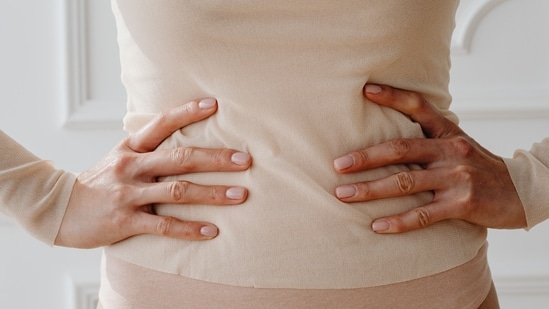
Bloating is normal, but if your stomach feels tight and swollen almost every day, and it's not about what you ate last night, your hormones might be behind it more than your diet is. In an interview with HT Lifestyle, Tamanna Singh, certified menopause coach and co- founder of Menoveda, revealed the reasons behind persistent bloating.
Also read | Hormonal imbalance and mental health: Doctor shares 5 ways how hormones can affect your mood
Hormonal imbalances
According to Tamanna, estrogen and progesterone both affect how your body holds on to water and how your gut moves food along. When estrogen is high relative to progesterone, a common pattern during perimenopause, your body tends to retain more water and salt. That bloated, puffy feeling isn't just discomfort. It's often a hormonal imbalance showing up physically, and it can appear even on days when you've eaten carefully.
Slow digestion
Slower digestion is another factor. “As hormone levels shift, gut motility can slow down, meaning food sits longer than it used to, leading to gas, heaviness, and that "I look pregnant by evening" feeling so many women describe to me,” Tamanna explained. This slowdown can also affect how efficiently your body absorbs nutrients, which is worth knowing if you've been feeling low on energy alongside the bloating.
Stress
{{/usCountry}}Slower digestion is another factor. “As hormone levels shift, gut motility can slow down, meaning food sits longer than it used to, leading to gas, heaviness, and that "I look pregnant by evening" feeling so many women describe to me,” Tamanna explained. This slowdown can also affect how efficiently your body absorbs nutrients, which is worth knowing if you've been feeling low on energy alongside the bloating.
Stress
{{/usCountry}}Stress plays a significant role too. Tamanna highlighted that high cortisol affects digestion directly, slowing it down and increasing water retention, which is why bloating often gets dramatically worse during stressful weeks, even if your diet and routine haven't changed at all.
What can help?
Here’s what you can do to avoid bloating:
● Eat slowly and avoid very large meals late at night
● Reduce excess salt and processed food, which worsen water retention
● Add gentle movement after meals; even a short ten-minute walk helps digestion move along
● Track your bloating alongside your cycle or stress levels to spot patterns. Occasional bloating is completely normal.
But if it's persistent, painful, or paired with other symptoms like irregular periods, fatigue, or skin changes, it's worth getting checked properly rather than just accepting it as "how your body is now."
Note to readers: This article is for informational purposes only and not a substitute for professional medical advice. Always seek the advice of your doctor with any questions about a medical condition.
Catch your daily dose of Fashion, Taylor Swift, Health, Festivals, Travel, Relationship, Recipe and all the other Latest Lifestyle News on Hindustan Times Website and APPs.
Catch your daily dose of Fashion, Taylor Swift, Health, Festivals, Travel, Relationship, Recipe and all the other Latest Lifestyle News on Hindustan Times Website and APPs.