
 E-Paper



Skin feeling extra sensitive during spring? Dietician explains why you experience more breakouts during this season

 Prefer HTon Google


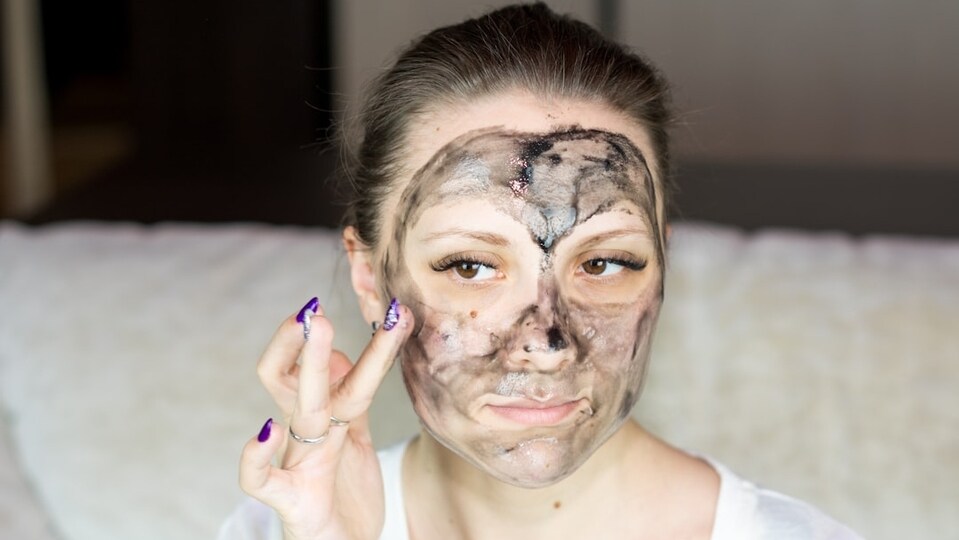
Springtime is considered allergy season for many, especially when skin becomes prone to redness, irritation and breakouts. Deepta shares some simple solutions.
Spring is often associated with blooming flowers, fresh greenery and vibrant colours everywhere you look. But while nature comes alive, your skin may not feel quite as refreshed. For many people, this time of year brings unexpected skin troubles - from redness and irritation to stubborn breakouts and flare-ups that seem to appear out of nowhere, making the season feel far less pleasant for your skin than it does for everything else around you.
Deepta Nagpall, a dietician and chronic disease specialist with over 21 years of experience, and the founder and chief dietician at Beyond Kilos and Inches, is explaining why your skin may feel unusually sensitive during the spring season. In a post shared on X (formerly Twitter) on March 5, the dietician explains what may be triggering seasonal allergy flare-ups and shares simple ways to help calm and support your skin during this time.
A sensitive time for your skin
According to Deepta, many people notice that their skin suddenly feels more sensitive during spring, particularly around March, reacting to weather changes with redness, itchiness, breakouts, eczema and similar flare-ups. She points out that this is not random. Seasonal shifts often bring higher pollen levels in the air along with rising humidity, which can trigger the immune system and make the skin more reactive and prone to inflammation.
The dietician explains, “If your skin suddenly feels more reactive in March, redness, itching, acne, eczema patches, puffy eyes, it’s not random.March marks the shift from winter to spring. Pollen rises, temperatures fluctuate, humidity changes, and your immune system becomes more active.”
The role of histamines
Deepta explains that when environmental triggers such as pollen enter the body, the immune system becomes activated and releases histamines as a defence mechanism. These histamines can make the skin more sensitive by increasing inflammation and causing blood vessels to dilate, which may lead to redness, irritation, and flare-ups.
She highlights, “When pollen enters the body, immune cells release histamine as a defense response. Histamine increases inflammation, dilates blood vessels, and makes skin more sensitive.”
Histamine-induced flare-ups can look like the following:
- Redness and flushing
- Itching or hives
- Eczema or psoriasis flare-ups
- Puffy eyes and dark circles
- Acne worsening
- Dryness or barrier damage
Foods that may worsen flare-ups
According to the dietician, certain foods - especially for people who are more sensitive - can worsen these flare-ups. For this reason, she recommends temporarily reducing the intake of the following foods during high-histamine months, when the body may already be more reactive.
- Fermented and aged foods
- Leftover or stored foods
- Processed and packaged foods
- Tomatoes and spinach (in sensitive individuals)
- Excess citrus
- Chocolate
- Caffeine
- Alcohol
- Deep-fried foods
Foods that may help
Deepta recommends increasing the intake of certain foods that may help calm the skin and support the body during the high-histamine season. These include:
- Vitamin C-rich foods (natural antihistamine support)
- Apples, onions, green tea (quercetin helps stabilise histamine release)
- Leafy greens and colourful vegetables
- Turmeric and ginger
- Nuts and seeds
Additionally, the dietician also recommends supporting your gut through probiotic-rich foods like curd or yoghurt, eating enough fibre, prioritising hydration and keeping daily meal timings consistent.
Other lifestyle fixes
Deepta recommends the following targeted lifestyle adjustments that may help people who are particularly sensitive to allergic reactions manage their symptoms more effectively:
- Wash off pollen after outdoor exposure.
- Change clothes once home.
- Avoid very hot showers.
- Use fragrance-free skincare products.
- Moisturise consistently.
Deepta concludes, “Your skin doesn’t need harsh treatments right now. It needs seasonal support, balance, and gentle care.”
Note to readers: This article is for informational purposes only and not a substitute for professional medical advice. It is based on user-generated content from social media. HT.com has not independently verified the claims and does not endorse them.


Catch your daily dose of Fashion, Taylor Swift, Health, Festivals, Travel, Relationship, Recipe and all the other Latest Lifestyle News on Hindustan Times Website and APPs.


