
 E-Paper



Sleeping late every day? Cardiologist warns what chronic sleep loss does to your body: From weight gain to diabetes risk

 Prefer HTon Google


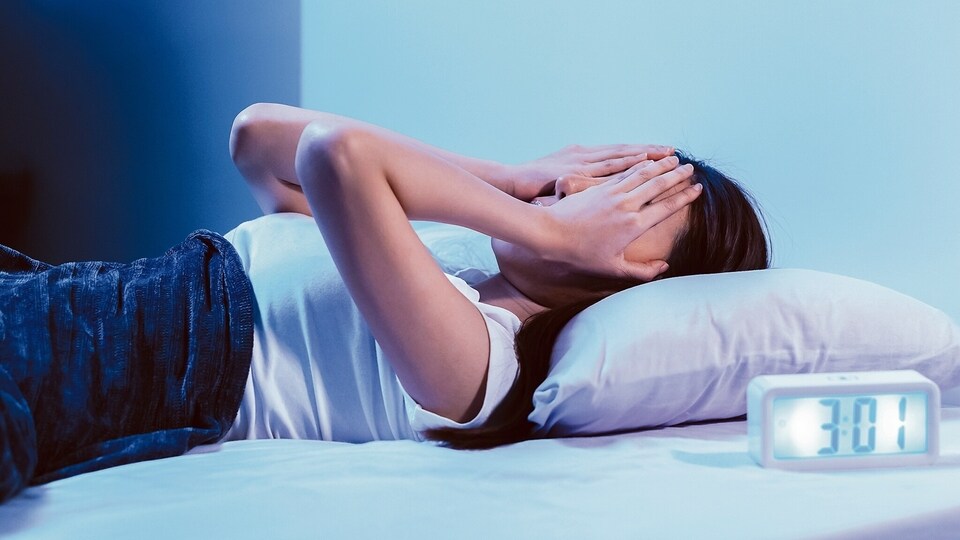
If you are sleeping way past midnight every day, then you may want to reconsider this habit, otherwise your health will be in serious danger.
If you are regularly sleeping late and getting less than the generally recommended seven to eight hours of sleep, it is time to wake up. You may be unintentionally setting yourself up for big health challenges. While the repercussions may not be evident right away, they slowly build up over time, and eventually, you are bombarded with multiple health challenges, which have the potential to snowball into a serious health crisis.
ALSO READ: Sleep doctor shares 2 rules to fix sleep routine and rest better: ‘When you go to bed at 10…’
This is especially relevant at a time when burnout is normalised in the name of hustle, pushing for assignments and deadlines at the expense of sleep. By understanding the hazardous impact of chronic sleep loss, one can take a healthy step towards a better relationship with their sleeping habits.
HT Lifestyle spoke to Dr N Sandeep, consultant - cardiology at Manipal Hospitals, Vijayawada, who expressed concern over the habit of sleeping late and getting less than the recommended hours of sleep, which is around 7 to 8 hours.
Here are some of the direct side effects of chronic sleep loss, as outlined by the cardiologist:
1. Weight gain
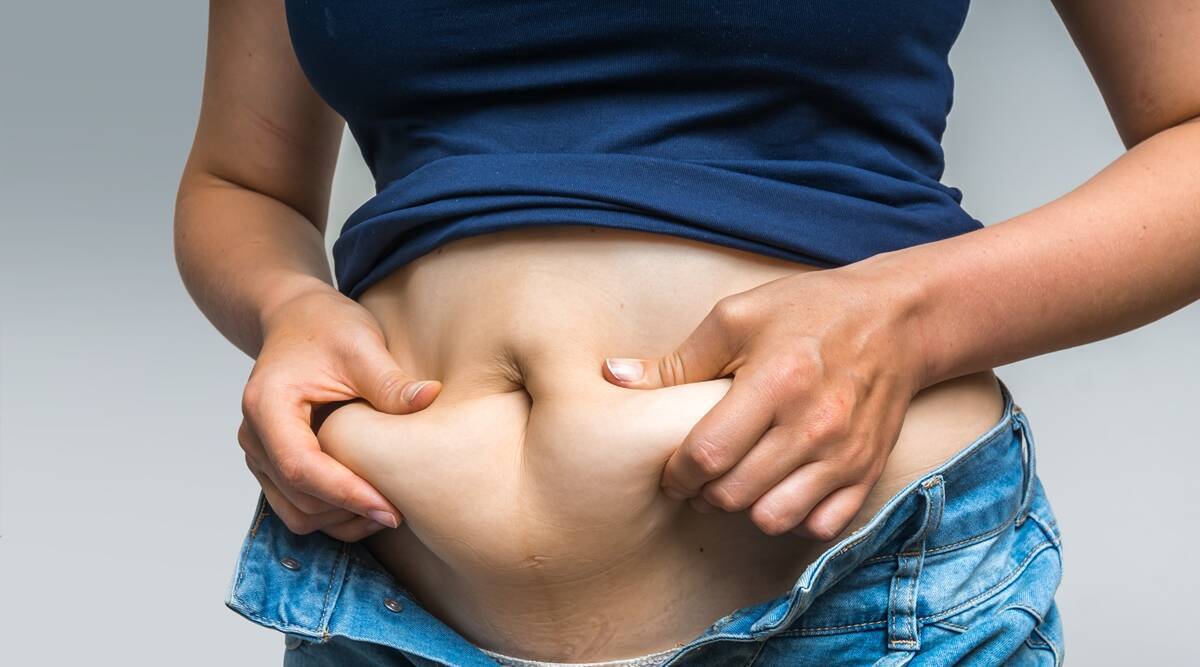
The first side effect which the cardiologist brought our attention to was weight gain. It is particularly counterproductive if you are trying to shed some kilos by following a healthy diet and keeping up with exercises but not sleeping on time.
“Poor sleep disrupts the balance of the hunger hormones ghrelin and leptin; ghrelin rises, increasing appetite, while leptin drops, reducing the feeling of fullness, which makes you crave high-calorie foods, snack more often, and gain weight more easily," Dr Sandeep described why weight gain may occur.
As a chain reaction, as you gain more weight, the cardiologist warned about other associated health risks too, slowed metabolism, insulin sensitivity, increased obesity chances, and eventually developing type 2 diabetes.
2. Poor immune system

The immune system takes a major hit. The process of fighting infections itself gets disturbed. It shows the extensive impact of sleep deprivation and why you need to take it seriously. The only inconvenience to you may be the morning grogginess, but silently there's a bigger damage in your system which you may not even realise, until it is too late.
The cardiologist explained how cumulative sleep loss affects immunity, “The production of cytokines-proteins that help fight infections and reduce inflammation-occurs during deep sleep. It is the suppression of such protective responses due to chronic sleep deprivation that leads to frequent colds, slower recovery, and heightened inflammation. This, over time, makes the body's defence mechanisms weaker and its vulnerability to chronic illnesses greater.”
3. Cardiovascular problems

Cardiovascular health is one of the most critical systems of the body, but Dr Sandeep alerted about how poor sleep affects all the substantial drivers of cardiovascular disease, from blood pressure, insulin resistance, to systemic inflammation, all of which are responsible for triuggering heart related problems. The danger goes as far as developing high blood pressure, heart attacks, and strokes, according to the doctor, if you get less than six hours of sleep every night.
4. Mental health concerns

Besides physiological health, psychological well-being is also set to be affected. Dr Sandeep mentioned that since sleep deprivation spikes stress hormones, especially cortisol, you are at greater risk of anxiety, irritability and difficulty concentrating. The decision-making process also gets hampered.
Note to readers: This article is for informational purposes only and not a substitute for professional medical advice. Always seek the advice of your doctor with any questions about a medical condition.


Catch your daily dose of Fashion, Taylor Swift, Health, Festivals, Travel, Relationship, Recipe and all the other Latest Lifestyle News on Hindustan Times Website and APPs.


