
 E-Paper



Understanding impact of shame on HIV patients may improve healthcare: Study

 Prefer HTon Google


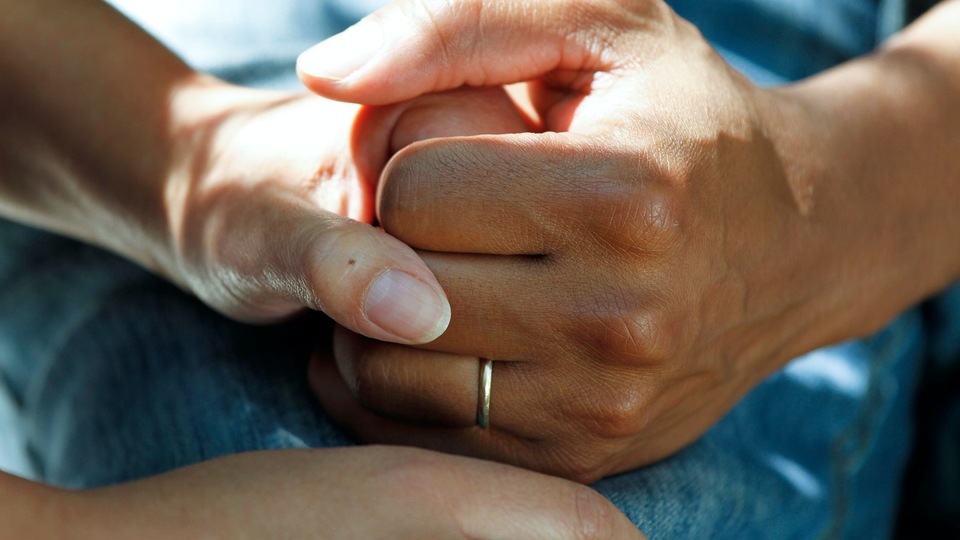
Shame can act as a chronic stressor that can lead to psychobiological changes in the body which can exacerbate physical conditions. It can also lead to a range of behaviours and outcomes which can negatively affect health treatment.
Researchers have found that ensuring healthcare workers understand the psychological, social and physical impacts of shame on HIV patients could improve their medical treatment.
The research has been published in the 'lambda nordica Journal'.
Doctors and nurses should be more aware of how shame related to stigma can contribute to ill health, especially in experiences of chronic illnesses such as HIV.
Shame can act as a chronic stressor that can lead to psychobiological changes in the body which can exacerbate physical conditions. It can also lead to a range of behaviours and outcomes which can negatively affect health treatment.
Professor Luna Dolezal, from the University of Exeter, who carried out the research, said, "The experience of shame, particularly shame anxiety, is central to understanding how stigma causes harm, especially in experiences of chronic illness such as HIV. Shame is not only part of the affective climate when considering HIV disclosure, prevention and care, but also one of the core mechanisms within HIV-related stigma that lead to distress, harm and an increased burden of illness."
"If we want to understand how health-related stigma, and its related social phenomena, are experienced by an individual and how this might impact on health-related behaviour and health outcomes, then we must understand how stigma-related shame is experienced. Theorizing the potential for shame, or shame anxiety, as a structural possibility in experiences of stigma may be a powerful means to understand the mechanisms through which stigma can cause distress and exacerbate negative health outcomes," Luna added.
Professor Dolezal examined how Welsh rugby player Gareth Thomas publicly disclosed his status as HIV-positive in 2019. He decided to make a public statement because there was a possibility that his HIV status would be revealed without his consent.In his emotive testimony in a Twitter video and subsequent media interviews and a BBC documentary, he described what it is like to live with the fear of being found out.
He described his reasons for concealing his illness, and the anticipated consequences of its revelation, and how he wanted to discuss his HIV diagnosis to lift the burden of shame.
The study argued that when people felt the threat of shameful exposure regarding their HIV status they can feel "immobilised" because their possibilities for action, engagement, and sociality may be reduced. They can be disempowered socially and politically. This is compounded by intense negative feelings regarding oneself and one's social standing.


