
 E-Paper



What causes heart attack? Cardiologist explains the silent, ‘lengthy’ process that happens inside your arteries

 Prefer HTon Google


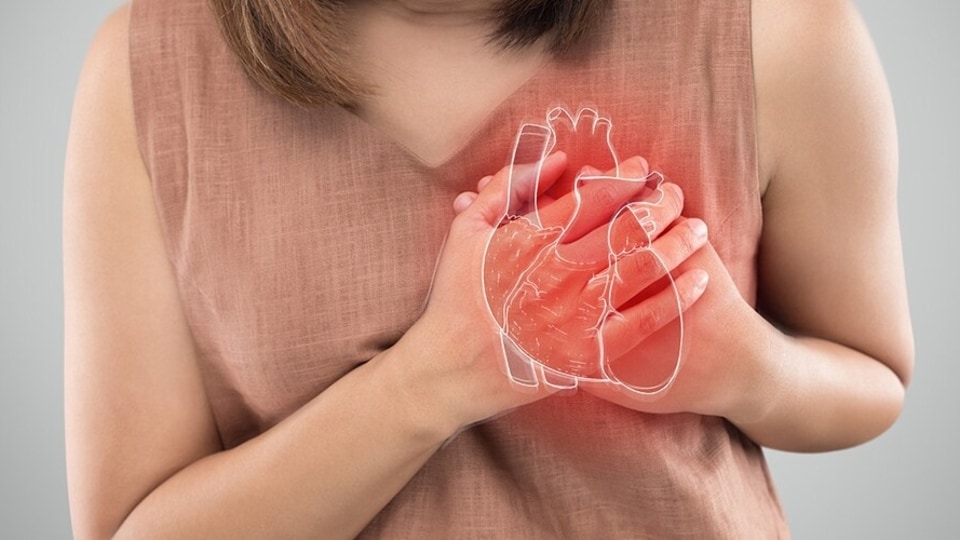
Find out what the quiet process is that leads to a heart attack. Cardiologist shares what happens inside the arteries
A heart attack is a major life threat. It may feel sudden and dramatic, but in reality, the process has been going on for some time, with many factors coming together to shape the conditions for a cardiac event. It is important to understand what goes on in your arteries before it happens so you can step in for timely intervention.
HT Lifestyle in an interview spoke to Dr Asseem Dhall, director and head of department, cardiac sciences, ISIC Multispecialty Hospital, to understand the underlying process that ultimately leads to such a dramatic event.
He confirmed that it is indeed a culmination of a ‘lengthy process’ that has been silently occurring within the arteries, and in many cases, years before the chest pain or other symptoms manifest. The process happens inside the arteries.
What builds up inside the arteries
You may think a heart attack happens when someone clutches their chest in immense pain and falls down, but the process begins much earlier, as the inner lining of the arteries gets damaged. Artery damage is a gradual process, fueled by lifestyle and metabolic factors.
Debunking one of the misconceptions, the cardiologist explained, “An artery is not just a hollow pipe filled with blood. It has an inner lining, which is a living tissue that may be damaged with time.”
The damage happens because of high blood pressure, high cholesterol, smoking, and uncontrolled blood sugar. Now, what is the consequence? The cardiologist shared how the body responds to this sedentary behaviour's damage to your arteries, which is counterproductive for long-term, “The body, in turn, attempts to fix the damage by laying down fatty material on the artery wall. This material becomes hardened over the years into plaque in a process known as atherosclerosis, and this process may start as early as the twenties of a person,” he described.
Now, what happens in atherosclerosis? Dr Dhall shared that the accumulation of plaque causes the narrowing of arteries, which makes it more difficult to circulate blood. But what's even more unsettling is that during this process, where your arteries are becoming narrow, the majority don't experience any symptoms.
Heart attack triggering moment
A heart attack does not occur solely due to narrowed arteries. As the cardiologist explained, this is not the ‘biggest threat.’ The real danger arises when plaque inside the artery suddenly ruptures. Soft plaque is fragile and more prone to breaking. When this happens, the body quickly forms a clot at the site. If the artery is already narrowed, this clot can completely block blood flow. Without oxygen, the heart muscle begins to die. So it is important to note that a heart attack can happen even when the artery is not fully blocked. It is not just the width of the artery that matters, but the stability of the plaque.
What makes the process worse
What may expedite the rate of plaque formation and make it more likely to rupture? The cardiologist revealed that factors such as high LDL cholesterol, uncontrolled blood pressure, smoking, diabetes, chronic stress, lack of exercise, and excess weight can accelerate plaque formation and increase the risk of rupture. The cardiologist also expressed concern that these risk factors usually have no apparent symptoms and silently deteriorate the health of the arteries until a heart attack occurs.
Warning signs

Before a heart attack, the body usually sends signals, but they are easy to ignore. Here are some of them which the cardiologist pointed out:
- Unexplained fatigue
- Pain in the chest on exertion.
- Shortness of breath
- Pain in the upper back, arm, or jaw.
If you observe these signs, visit a doctor immediately.
Prevention

Since a heart attack is not actually an instant incident, but rather a product of a long process. The cardiologist recommended, “We can reduce the rate of plaque formation and maintain healthier arteries by managing blood pressure and cholesterol, exercising, eating well, and not smoking.” To monitor your heart health, Dr Dhall recommended checking your blood pressure, cholesterol, and blood sugar levels.
Note to readers: This article is for informational purposes only and not a substitute for professional medical advice. Always seek the advice of your doctor with any questions about a medical condition.


Catch your daily dose of Fashion, Taylor Swift, Health, Festivals, Travel, Relationship, Recipe and all the other Latest Lifestyle News on Hindustan Times Website and APPs.


