
 E-Paper



Women's reproductive health disrupted by Covid-19 pandemic stress and sleep disturbance: Study


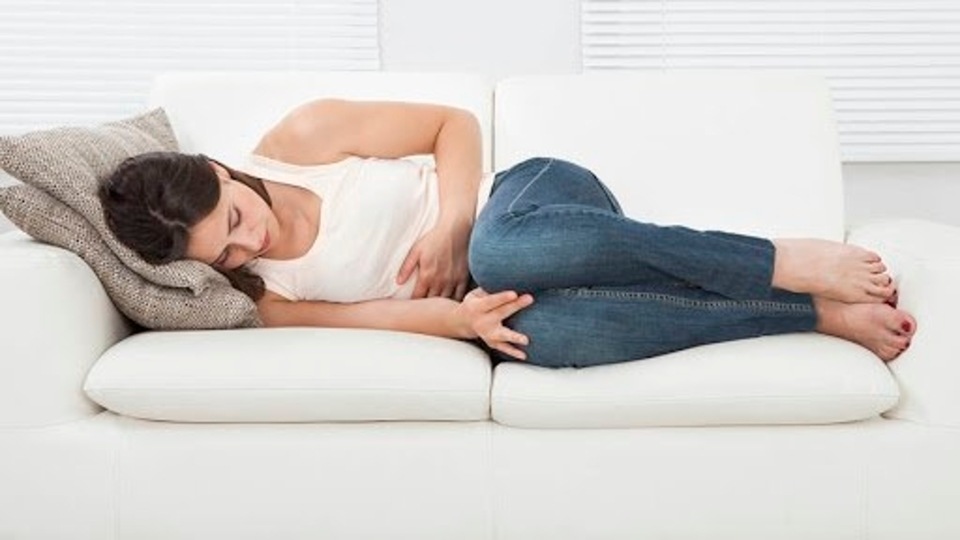
The findings indicate that stress and sleep disturbance related to the pandemic has had adverse effects on women's menstrual cycles.
Women's reproductive health has been disrupted as a result of the psychological burden of the Covid-19 pandemic, and affected women need additional medical and psychological support, according to recent research presented at the Society for Endocrinology annual conference in Edinburgh.
The findings indicate that stress and sleep disturbance related to the pandemic has had adverse effects on women's menstrual cycles. The study suggests that further studies are necessary to establish the longer-term impact of the pandemic on female reproductive health.
The Covid-19 pandemic has had a detrimental effect on the lives of our global population. Negative impacts on our mental health have been compounded by significant changes to our daily lifestyle, eating, and exercise habits. Stress is a known factor that can disturb women's menstrual cycles by affecting hormone levels, as well as causing sleep and body weight disturbances. Stress hormones can directly inhibit sex hormone release, whilst sleep disturbance is associated with infertility and increased belly fat is also associated with menstrual dysfunction.
To investigate the impact of the pandemic on reproductive health, Dr Michelle Maher, as part of a research team led by Dr Lisa Owens in Dublin, surveyed over 1,300 women in April 2021. In addition to standard measures of depression, anxiety, and sleep quality, the survey also asked about their menstrual cycles.
Menstrual disturbances included irregular, missed, painful or heavy periods and pre-menstrual symptoms. 56 per cent of respondents reported an overall change in their menstrual cycles since the beginning of the pandemic, with 64 per cent reporting a worsening in pre-menstrual symptoms and 54 per cent experiencing reduced sex drive. Rates of severe depression, anxiety and poor sleep were more than double those from pre-pandemic levels for women of reproductive age.
Menstrual cycle disturbances were associated with increased levels of mental distress and poor sleep amongst the women surveyed.
Dr Michelle Maher asserts, "Our findings highlight a real need to provide appropriate medical care and mental health support to women affected by menstrual disturbance, given the unprecedented psychological burden associated with the pandemic."
This is the first study to demonstrate that women continue to experience reproductive health disturbances one year into the pandemic and that this is associated with increased levels of psychological distress and poor sleep. Further investigation will contribute to a greater understanding of the extent of reproductive health disruption and guide our future practice and health policy.
Dr Maher cautions, "This study was conducted at a relatively early stage of the Covid-19 vaccination programme, so the length of the pandemic and effectiveness of the vaccine may influence future findings, further investigation with objective, measurable data is needed."
The team now plans to conduct these surveys at 6-month intervals, to determine progress and identify any longer-term effects on female reproductive and mental health. In addition to the surveys, more objective measurements of blood pressure, weight, sex hormone levels, and ovulation will be collected from the women participating.
Dr Maher advises, "We would encourage women experiencing any reproductive disturbances such as (irregular, missed periods, painful or heavy periods, PMS or reduced sex drive) as well as mental health disturbances (including symptoms of low mood, anxiety, stress and poor sleep) to see their GP for advice."
"We are planning to provide support for women affected by menstrual cycle abnormalities by developing psychological support workshops at our centre", adds Dr Maher.


Catch your daily dose of Fashion, Taylor Swift, Health, Festivals, Travel, Relationship, Recipe and all the other Latest Lifestyle News on Hindustan Times Website and APPs.


