
 E-Paper



World Organ Donation Day 2025: Can you donate eyes with poor vision? Ophthalmologist debunks 9 eye donation myths
World Organ Donation Day: An ophthalmologist clarifies myths and facts related to eye donation, while highlighting its life-changing benefits.

 Prefer HTon Google


World Organ Donation Day is a poignant reminder of the profound impact that organ donors have on the lives of people worldwide. Eye donation, in particular, is a meaningful act that can restore sight to individuals with corneal blindness. Despite its life-changing potential, various myths and misconceptions still prevail, creating fear and hesitation among potential donors. Let's explore and debunk these myths with the help of an expert to clarify the truth about eye donation and highlight its significance.
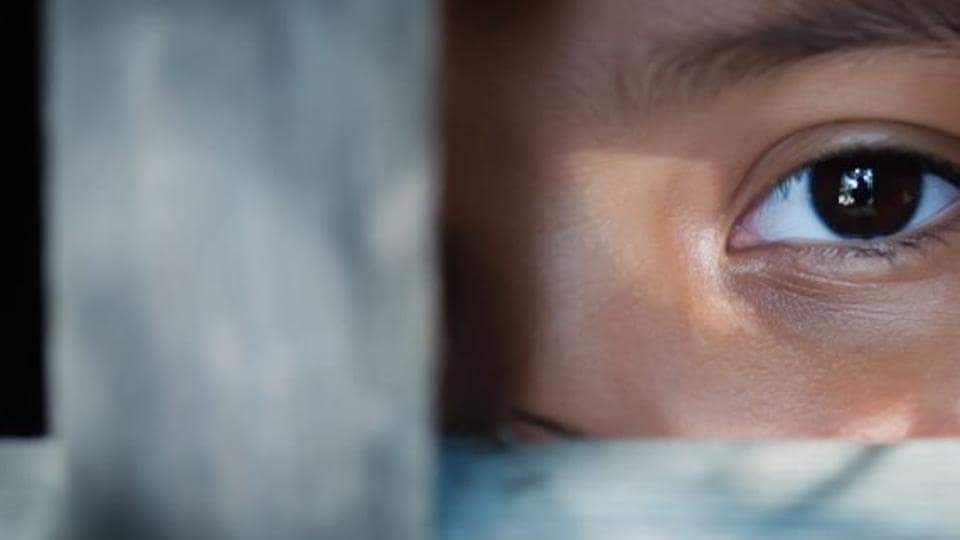

What is the importance of eye donation?
Eye donation offers individuals with corneal disease the opportunity to regain their sight. With millions of people worldwide living in darkness due to corneal blindness, the need for donations is critical. Every year, thousands pledge their eyes, bringing hope to countless families. Despite this, myths surrounding eye donation often discourage people from considering it, says Dr Aditi Singh, Senior Consultant Ophthalmologist at Dr Agarwals Eye Hospital, tells Health Shots.
Eye donation myths and facts
Myth 1: Only young, healthy people can donate
This prevalent myth couldn’t be further from the truth.
- While overall health is important, many medical conditions do not necessarily disqualify a person from donating their eyes.
- Conditions like hypertension, diabetes, or certain cancers often do not affect corneal suitability.
- Medical teams focus on specific infectious diseases or conditions that would impact transplant safety.
It’s important to note that individuals diagnosed with or who have passed away from conditions like AIDS, Hepatitis B or C, rabies, septicaemia, acute leukaemia, tetanus, cholera, meningitis, or encephalitis cannot donate their eyes. However, most people—regardless of health status—can still make eye donation possible.
Myth 2: You must donate while alive
Contrary to popular belief, eye donation occurs after death.
- You can pledge your eyes at any time, but actual retrieval can only happen after passing, typically within 4 to 6 hours post death.
- This enables eye banks to collaborate with hospitals or funeral homes to collect the tissue needed for transplantation.
Pledging your eyes ensures that your wishes are respected when the time comes, even if you are unable to donate while alive.
Myth 3: Poor vision disqualifies you
Some believe that having poor vision automatically disqualifies them from donating, which is a common misperception.
- In reality, wearing glasses, having cataracts, or living with glaucoma does not exclude you from donating.
- Eye banks assess each cornea on an individual basis.
Interestingly, over 90% of corneal blindness cases can be treated with donated corneas, regardless of the donor's vision history or refractive errors.
Myth 4: Older donors aren’t useful
Another misconception is that age limits eye donation.
- The truth is that corneal tissue from donors in their seventies or even eighties can be successfully transplanted.
- What truly matters is the health of the cornea at the time of donation, not the donor’s age.
Many elderly donors have restored sight for younger recipients, affirming that vision truly knows no age limits.
Myth 5: Eye donation disfigures the face
Fear of disfigurement deters many from pledging their eyes.
- However, the eye retrieval process is minimally invasive.
- Compassionate care and respect are the guiding principles throughout each step, ensuring families can bid farewell with dignity.
Understanding that the procedure is performed with care can help alleviate concerns about appearance.
Myth 6: The donation procedure takes too long and delays funeral arrangements
Some believe that the eye donation process will prolong funeral arrangements.
- The cornea removal procedure is quick and usually takes less than an hour.
- It is performed respectfully and does not significantly delay funeral plans.
Funeral arrangements can often proceed as scheduled, with the procedure completed within hours of death.
Myth 7: There’s no shortage—my donation won’t matter
Another myth is the belief that your donation won’t make a difference.
- In India alone, there are over 12 million blind people, with 4 million suffering from corneal blindness that is treatable through transplantation.
- Approximately 1.1 million individuals are currently awaiting corneal transplants, with around 25,000 new cases reported annually.
Every donation is invaluable, as one donor can restore vision for two to four recipients. Each pledge contributes to a meaningful cause, adding necessary supplies and hope to families in need.
Myth 8: The entire eye is used for transplantation
A common misconception is that the whole eye is used for transplanting.
- In reality, only the cornea—the clear, dome-shaped tissue at the front of the eye—is utilised for transplantation.
- The cornea plays an important role in allowing light to enter and form images.
After retrieval, the cornea is carefully preserved, and the rest of the eye remains intact.
Myth 9: Human eyes can be bought or sold
It is important to address the myth surrounding the sale of human eyes.
- The sale or purchase of human organs, including eyes, is illegal and unethical.
- Awareness of this fact can help combat stigma and misinformation around eye donation.

Catch your daily dose of Fashion, Taylor Swift, Health, Festivals, Travel, Relationship, Recipe and all the other Latest Lifestyle News on Hindustan Times Website and APPs.


