
 E-Paper



Worried about consuming plastic particles? Dr Saurabh Sethi shares 3 ways to reduce chemicals within the body

 Prefer HTon Google


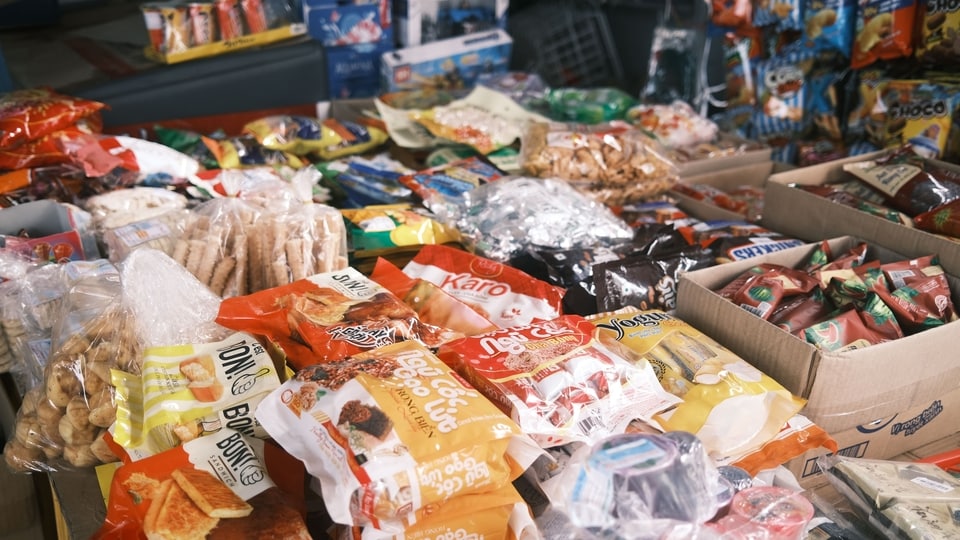
The presence of plastic particles in the body has been a major concern for decades. Dr Sethi shares three ways that one can actively lower it.
Consumption of plastic particles along with food has been a health concern for decades. It is known to cause multiple health issues, but there is no real way to completely avoid it.
However, taking to Instagram on July 20, Dr Saurabh Sethi, a California-based gastroenterologist trained at AIIMS, Harvard, and Stanford Universities, revealed that there are steps one can take to reduce the amount of plastic particles in their gut.
Dr Sethi cited two research papers while explaining how - Evaluation of Exposure to Bisphenol Analogs through Canned and Ready-to-Eat Meal Consumption and Their Possible Effects on Blood Pressure and Heart Rate, and Low-plastic diet and urinary levels of plastic-associated phthalates and bisphenols: the randomized controlled PERTH Trial.
In his words, “Research shows that you can reduce the amount of plastic chemicals in your body by up to 60 percent in just seven days.”
“BPA, phthalates, you are exposed to them daily. And that exposure is quietly linked to metabolic syndrome, heart disease, and hormone disruption. A randomised control trial in Nature Medicine just proved you can change that in one week.”
The gastroenterologist listed three dietary shifts that move the needle most. They are presented as follows.
1. Avoiding canned foods
Canned food is one of the most prominent sources of plastic chemicals getting mixed with food, and according to Dr Sethi, it should be totally ditched.
“The lining leaches BPA (Bisphenol A, an industrial chemical used to make plastic) directly into whatever you are eating or drinking,” he explained, adding that canned beverages are also to blame for this.
2. Avoiding ultra-processed foods
Ultra-processed food is not bad for the gut because of digestive reasons. They are also commonly found in plastic packages, making them a source of leached plastic in the diet.
These types of foods include a wide range of breakfast cereals, corn chips, and packaged snacks. “They are double exposure; processed ingredients wrapped in plastic packaging,” cautioned Dr Sethi.
3. Avoiding plastic packaging
As a thumb rule to avoid plastic particles in food, it is best to avoid plastic packaging altogether, even on fresh foods. As Dr Sethi stated, “The contamination starts before you open it.”
“So just one week of smarter food choices cuts your plastic chemical burden by more than half,” he shared.
Note to readers: This article is for informational purposes only and not a substitute for professional medical advice. Always seek the advice of your doctor with any questions about a medical condition.
This report is based on user-generated content from social media. HT.com has not independently verified the claims and does not endorse them.
Dr Saurabh Sethi is a California-based gastroenterologist with training from AIIMS, Harvard, and Stanford and more than two decades of clinical experience. He became a social media content creator sharing insight on his area of expertise during the Covid-19 pandemic.


Catch your daily dose of Fashion, Taylor Swift, Health, Festivals, Travel, Relationship, Recipe and all the other Latest Lifestyle News on Hindustan Times Website and APPs.


