
 E-Paper



5 things to do other than punishing or grounding when the kid is disobedient

 Prefer HTon Google


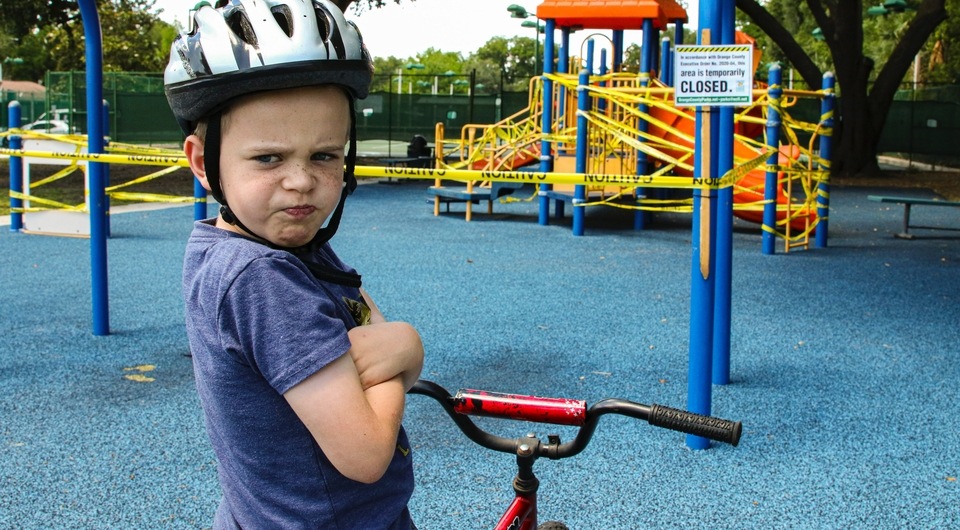
Disobedience can take various forms and is a common problem among children. Check out some healthy ways to deal with disobedient kids.
Disobedience is a prevalent issue among kids. Parents and teachers often face this challenge when they have to deal with aggressive or disobedient kids every day. Defiance is a natural and anticipated aspect of a child's growth and development. Kids do this to see how far they can go without help and to declare their independence. Disobedience comes in many ways. Kids may have temper tantrums and act out aggressively sometimes, but they most commonly engage in passive-aggressive behaviours like arguing, disobeying rules and avoiding chores. This may also be a reaction to stress or feeling overburdened. There might be several causes for this, such as issues at school or at home, learning disabilities, or simply not paying enough attention. There may be several reasons for a youngster to disobey. (Also read: Top mistakes parents make when a child throws tantrums )
In a conversation with HT Lifestyle, Ajay Gupta, Founder & CEO, Bachpan Play School and AHPS & Co-Founder, Rishihood University, suggested some alternatives to punishing and grounding that parents and teachers can practice with disobedient kids.
1. Use your authority for good and remind the child about the rules and consequences:
Be careful not to start a fight with the child about his or her misbehaviour. Give them a rundown of the disciplinary ins and outs. You may be both flexible and rigid with such activities. Even if you get along great with the student, there must be a dividing line when it comes to rules and regulations. To prove your sincerity, tell them why you find a certain action unacceptable.
2. Never lose your calm and stay firm:
A child who is always dealing with anger could become rebellious. Both teachers and parents should carry themselves with authority while displaying their own style. No one in a position of authority ever shows anger. They must show them where they went wrong in a way that is kind but tough by describing what they did wrong and what they should have done instead.
3. Ask the child if he/she is okay and let him/her know that you are here to help sort out the issue.
It may be as simple as sitting down and talking things over with the student to put their mind at ease. Do not jump to conclusions about the child's feelings; instead, ask him or her to explain why they feel something is unjust. Always listen to them instead of denying them about how they feel.
4. Give a clear reason why the child should calm down and work out things that are troubling his/her mind:
Sometimes children require adults to explain why they should relax and sort out their problems. Attempt to refocus the student’s behaviour in a good direction. For example, if a student is acting defiantly, the teachers could try to have a conversation with them to find out why they are upset.
5. Try to empathise and offer a choice when possible:
A personal connection is necessary before passing judgement on the child’s noncompliance. It is good to remind them how much you care for them every so often. Instead of always being authoritative, it might help to be more kind as a parent or a teacher. A youngster who stubbornly refuses to listen might be enticed by new experiences. Allow them to pick from a restricted set of options.
We often observe that grounding students have little influence on their conduct. Children's reactions to punishment are often anger, resentment, and defiance. Moreover, it can harm the parent-child or teacher-student bond as well. A child's willingness to listen to their parents or teachers decreases if they believe they cannot trust or confide in them. Shape your children carefully, and you will see their potential realised as they mature.


