
 E-Paper



Tick infestation in your pet this monsoon? Vet shares 5 tips to keep them safe and healthy

 Prefer HTon Google


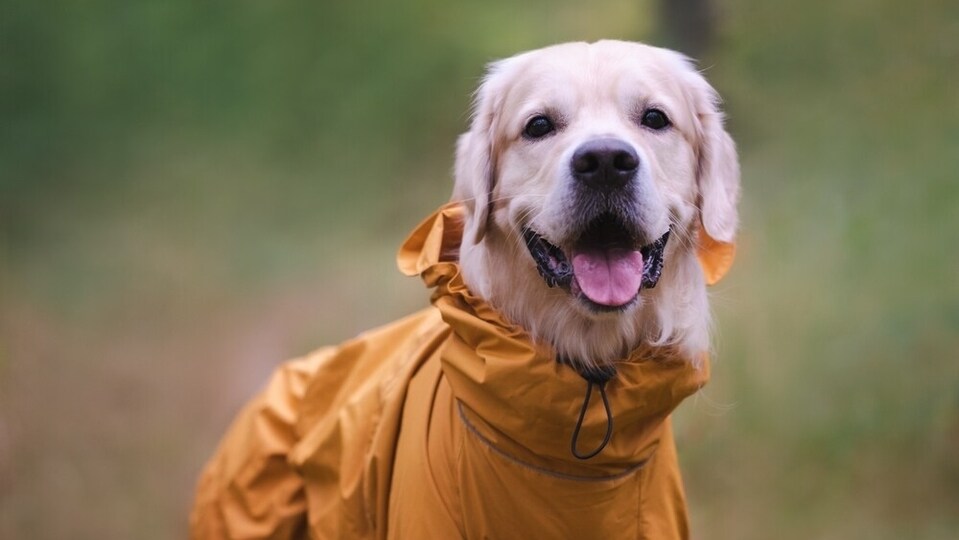
The dampness of monsoon can spell trouble for your pets, inviting health issues like tick infestation or skin infections.
While monsoon brings cosy vibes for your chai sessions, it may not be as comfortable for pets, even if they enjoy pawing at raindrops on the window. The heavy moisture in the air invites a host of problems for your furry companions, making them more vulnerable to skin infections, tick infestations. But with the right pet care tips, you can stay ahead and make your pet monsoon-ready.
ALSO READ: Is your pet getting older? 6 vet-approved tips to support your furry friend in their golden years
Dr Deepak Saraswat, head veterinarian at Zigly, shared with HT Lifestyle that pet parents need to be extra careful during the monsoon as the humidity presents health challenges for pets.
He said, “The monsoon season comes with increased humidity that poses specific health risks for our furry companions, including numerous skin conditions and tick infestations. Our duty is to prioritise well-being of our companions and take proactive measures in order to prevent any illness during this period."
Dr Saraswat shared 5 ways you can take care of your health during monsoon:
1. Keep fur infection-free
- Monsoons bring high humidity that is trapped in your furry companion’s fur, creating a good breeding ground for fungal and bacterial infections.
- After every outdoor activity, thoroughly pat dry your pet’s entire body with absorbent towels, paying special attention to their legs, belly, and areas where moisture tends to accumulate.
- Consistent use of antifungal creams, for example, can help in preventing these issues before they develop into serious infections.
2. Protect paws
- A pet’s paws are quite vulnerable during monsoon season, as any trapped moisture between their toes can lead to painful inflammation and infections.
- Signs and hints such as regular paw licking, scratching at the same spot repeatedly or visible redness between the toes must not be ignored.
- For breeds with long hair, trimming the hair around their paws can prevent moisture accumulation and make cleaning a lot easier.
3. Proper bathing and drying

- One should use a high-quality anti-tick and flea shampoo specifically designed for pets, and massage it thoroughly into their furry coat using a pet-friendly scrubber if needed.
- After bathing, use a one must blow dry on the lowest, coolest setting to ensure your pet is completely dry.
- Never leave them damp, as this creates an ideal environment for parasites and skin infections to develop.
4. Navigate outdoor spaces wisely
- Avoid walking your pet through tall grass, wet patches, or muddy areas during monsoon season. The outside grass becomes a breeding ground for ticks as well as fleas, while wet grass and mud can be stuck between your pet’s paw pads, leading to infections if left undetected and uncleaned.
- Walk on paved surfaces when possible, and always inspect and clean your paws immediately after outdoor activities.
5. Adjust diet according to activity levels
- Less number of outdoor visits during heavy rains means your pet needs fewer calories to maintain their weight. Adjusting their portions accordingly to prevent monsoon-related obesity.
- Pet parents must focus on home-cooked meals and good quality food that provides essential nutrition as well as hydration.
- Dry food must be stored in airtight containers to prevent moisture damage as well as fungus growth.
- Break their daily food intake into smaller, more frequent meals to aid digestion during this less active period.
Later, the vet concluded by warning against the big red flags that may indicate underlying health issues. He said, “Consistently monitor your pet closely for any changes in behaviour, appetite, or physical condition. Continuous scratching and lethargy, changes in eating habits, or any signs of discomfort should prompt quick veterinary attention. Early intervention is always more effective and less costly than treating advanced infections or health problems. The key to good monsoon pet care lies in prevention, consistency, and vigilance.”
Note to readers: This article is for informational purposes only and not a substitute for professional medical advice. Always seek the advice of your doctor with any questions about a medical condition.


