
 E-Paper



White Christmas at risk: How climate change is impacting winter tourism

 Prefer HTon Google


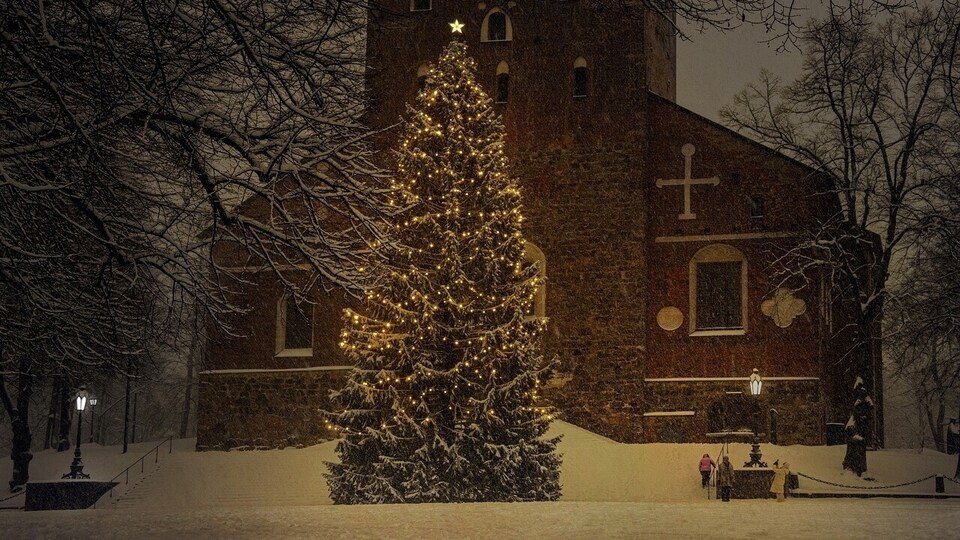
Climate change is diminishing winter snow days in the Northern Hemisphere, especially in Europe, threatening tourism and cultural practices.
A white Christmas may increasingly become a nostalgic memory as the Northern Hemisphere sees ever fewer snowy winter days due to climate change, with Europe warming quickest, a report warned on Tuesday. Driven primarily by humanity's mass burning of fossil fuels, that decline in days below freezing threatens tourism, the economy and cultures, according to Climate Central.
Climate change cuts freezing days
Tuesday's report by the US-based research institute argues that manmade climate change had caused more than a third of the 123 countries and nearly half of the 901 cities studied to lose the equivalent of at least a week's worth of days below freezing -- zero degrees Celsius or 32 degrees Fahrenheit -- over a decade.
The report's analysis is based on the daily minimum temperatures covering the months of December to February -- roughly the span of the Northern Hemisphere winter -- from 2014 to 2023. Those lows were then compared to a simulation of a climate without the warming effects of humanity's widespread use of coal, oil and gas. It found that climate change had particularly increased the number of winter days above zero in Europe, the world's fastest-warming continent. Denmark and the Baltic states were the countries most affected.
How disappearing winters threaten ecosystems
"The snow, ice, and chilly temperatures that used to be hallmarks of the winter season are fast disappearing in many places, threatening ecosystems, economies, and cultural traditions," said Climate Central's vice president for science Kristina Dahl. "Freezing winter days are crucial for sustaining snow and ice for winter recreation and sports, replenishing the snowpack that supplies freshwater sources, and maintaining plant, animal, and insect life cycles," Dahl added.
Cold weather helps to control populations of disease-carrying insects such as mosquitoes and ticks, while shorter winters encourage the spread of pollen -- and therefore allergies. The study also warned that hotter winters may also affect agriculture, particularly the cultivation of fruits which require prolonged cool periods such as apples and peaches.


