
 E-Paper



Lok Sabha elections 2019: Ahead of poll results, PM Narendra Modi directs officials to prepare 100-day agenda
The 100 days plan focuses on high growth sectors, learning outcome sectors and job creation sectors.

 Prefer HTon Google


The 2019 Lok Sabha results will be announced only on May 23, but Prime Minister Narendra Modi, confident that he will return, has already asked the Prime Minister’s Office (PMO), Niti Aayog and the Principal Scientific Adviser to prepare the agenda for the first 100 days of the next government, with a focus on double-digit GDP growth in the next five years.
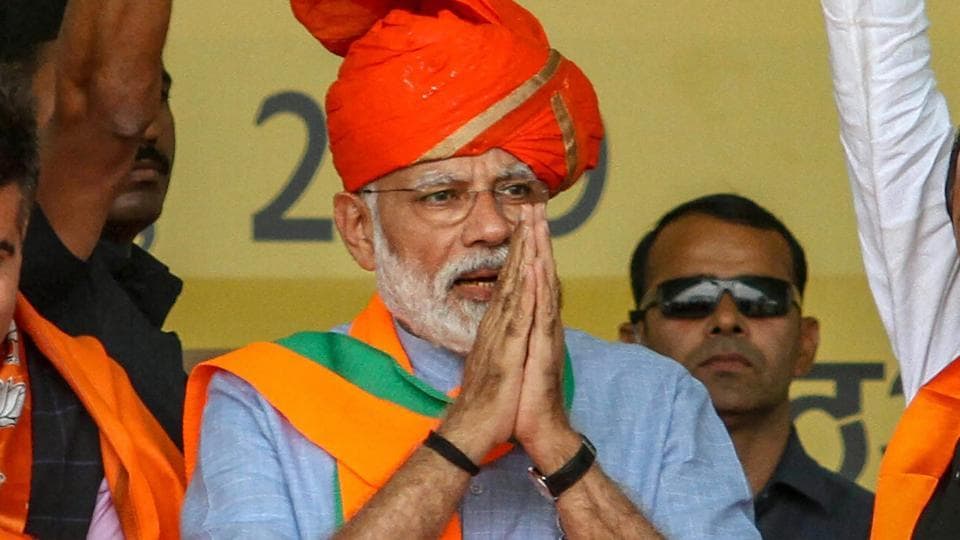
According to three top officials in the Modi government, in the midst of hectic election campaigning, the PM has tasked his office, Vice Chairman Niti Aayog and Principal Scientific Adviser (PSA) Prof K Vijayraghavan to chalk out an agenda on the scale of Swacch Bharat with sweeping economic and bureaucratic reforms.
“The focus is on freeing the key sectors — oil and gas, minerals, infrastructure and education — of red tape so that the foundation for India becoming a developed country in 2047 is laid in the coming 100 days. We believe that by removing red tape in core sectors we can easily boost the GDP growth by 2.5%,” said one of the three officials who asked not to be named.
Also Watch - ‘BJP will get triple seats than Congress this time’: PM Modi in Kathua
While the entire country is focused on Lok Sabha elections, the PMO, Niti Aayog and the PSA’s office are locked in meetings through weekends to build the agenda which has a connect with the public and is for larger good like waste to wealth mission and enhanced health care benefits in rural areas.
Also read | ‘We’ll support whoever is committed to Odisha’, says CM Naveen Patnaik
The 100 days plan focuses on high growth sectors, learning outcome sectors and job creation sectors. High growth sectors include mining, coal, power and energy. Learning outcome sectors are education and primary health centres. Job creation sectors include tourism and MSME.
Drinking water and inter-linking of rivers will be one of the topmost priorities if PM Modi is voted back to power, the officials added. The basic idea is to build a network of dams and linkages so that India is not exposed to threat of China building dams on upstream Brahmputra as well as optimum utilization of the rivers under India in the Indus Water Treaty.
“Prime Minister Modi is aware that the only way to deliver water to South India particularly Tamil Nadu is by inter-linking of rivers and ensuring that rivers are not just allowed to flow into sea during monsoon season by building upstream storage areas,” said the first official.
The other priority areas are roads, airports and ports infrastructure to promote tourism all over the country. “The plan is already ready for showcasing India’s vast historical heritage by creating a network of hotels along with airports so that the international tourist has better access to these sites,” said a senior Niti Aayog official who asked not to be named.
Also read | ‘In a direct contest, Congress can defeat BJP,’ says Sachin Pilot


