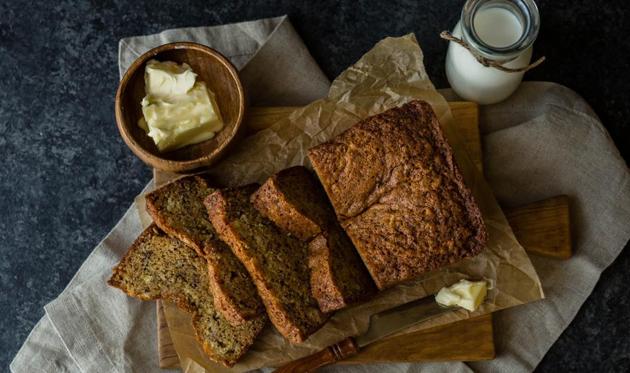
Warm, soft, delicious breads have been the cornerstone of our kitchens. And of course, the epitome of comfort food for many. However, due to the rising demand of gluten-free products, all-purpose flour breads have now been dethroned by alternate flours such as amaranth, coconut flour, buckwheat, banana, etc.
According to experts, the trend of alternate flours originated in 2016. However, it’s only now that it’s gaining popularity in India. “There has been an increase in the number of people suffering from gluten and wheat allergy. Also, now, in the age of social media where information is easily available, people have become health-conscious. Hence, it’s not a surprise to see the demand for alternate flours rise,” says chef Vivek Chauhan from The Imperial.
So, how is the production process, taste and texture of alternate flours different from regular flour? “Since alternate flours don’t have gluten, the natural binding doesn’t occur, hence other leavening agents are required to make bread from them. As for cakes and chapattis, it’s the same process as using regular flour but the end product will definitely not have the same texture,” says chef Swasti Aggarwal, food strategist, Foodhall.
{{/usCountry}}So, how is the production process, taste and texture of alternate flours different from regular flour? “Since alternate flours don’t have gluten, the natural binding doesn’t occur, hence other leavening agents are required to make bread from them. As for cakes and chapattis, it’s the same process as using regular flour but the end product will definitely not have the same texture,” says chef Swasti Aggarwal, food strategist, Foodhall.
{{/usCountry}}The texture of banana flour is lighter as compared to wheat flour. Banana flour acquires an earthy non-banana flavour when cooked whereas amaranth flour has a fine texture and retains its nutty flavour, after being cooked.
And, what are the health benefits? “It’s low in carbs, aids in weight loss, helps to maintain blood sugar. It’s also low in gluten, which improves tolerability and protection from chronic diseases. And, it’s easily digestible due to higher enzyme and lower lectin levels,” explains chef Chauhan.
Apart from offering health benefits, alternate flours are versatile enough to be experimented with.
They can be used as a base substitute for your favourite savories as well. “Alternate flours such as coconut flours are high in protein, contain healthy fats, and most importantly, have low glycemic index, which means it can be used in most baking goods. Banana flour can be used in making malpua and halwa while amaranth flour pizza and burger are definitely creative. Pancakes made from amaranth and coconut flour are becoming increasingly popular,” says chef Nishant Choubey.