
 E-Paper



How pet parents are preparing for Coronavirus lockdown to end
What changes will occur in your pets’ behaviours post the lockdown? How can we deal with changing behaviours in multi-pet households? Read on


Eli, a 5-year-old golden retriever, is not big on barking. He is one of the quiet yet playful dogs that allows everyone to pet him on his walks. But the Coronavirus pandemic, which has caused all of us to change our lifestyles, has brought about some changes in his behaviour too. “Eli isn’t one to bark but he has now become more aware of the lack of ambient noise. And so, he now barks at the slightest rustle,” says dog trainer and canine behaviourist, Mitali Parekh, who warns others of “a heightened sensitivity” in their dogs during this time.
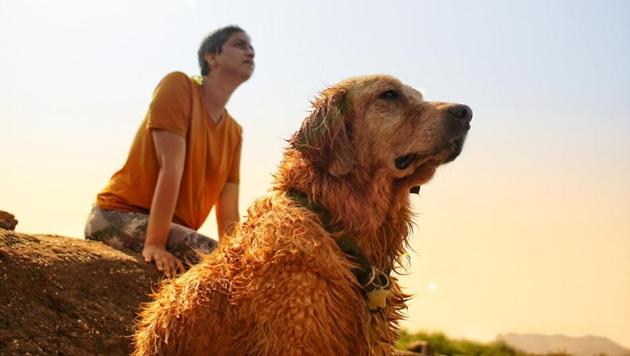
With the empty roads and quieter sidewalks, Parekh says that Eli misses people. “So now when he sees people on walks, he is more eager to run up to them. He is a therapy dog and is missing his work, which was two or three times a week,” adds the 40-year-old Navi Mumbai resident.
Pets and pet parents may have to deal with a drastic change during this unusual time. For instance, Parekh points out, “Eli also had to get used to people wearing masks and roaming on roads. At first, he barked at them. But then I wore a mask around the house and normalised it by kissing him and talking to him through the mask.” So, what when the lockdown is lifted? What should pet parents watch out for?
Back to basic (routines)
Rajvi Mariwala, 39, has seven cats, whom she adopted from the street - Chom Chom, Goofy, Pibby, Namak, Gauri, TK and Buggy. She points out that multi-cat households may face “overplay” or “competing for one’s attention”. Oddly enough, the attention-seeking behaviours may include - “learning to trick you into adding more food into their bowl” or even “cat-bombing” you during your video conference calls.
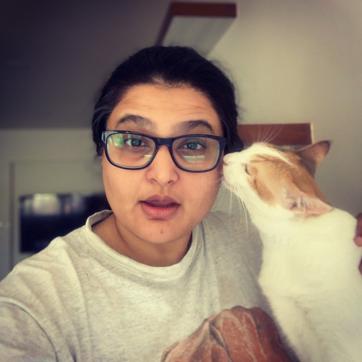
“Cats are creatures of habit. So, changes in our routines may severely disrupt their behaviours as well,” says the dog trainer and feline behaviourist and adds, “Stick to a feeding routine that you had before lockdown and do not unwittingly reward unwanted behaviour that demands your attention.”
While all pet parents suggest reverting to their pre-corona habits, when it comes to the overly sleepy or lethargic behaviour of pet dogs, Parekh, who actively shares tips and tricks to pet parents via her social media accounts, suggests that it may have to do with the weather. “The lockdown has coincided with the height of summer. Pet owners may also constantly keep feeding their pets as they indulge in round-the-clock snacking. It’s best if they could maintain pre-corona lockdown feeding habits,” she adds.
Mitali Parekh gets creative with Eli’s feeding habits
Another Mumbai-based trainer and canine behaviourist, Tanya Patel, suggests that the lazy behaviour of dogs maybe just a “passing phase”. She explains, “This might be your dog’s way of coping with a difficult situation.”
Patel, who has four dogs - Biggie, Chamko, Sheru and Lily, began her dog training back in 2012. Speaking from experience, she says, “The most common behaviour problem when it comes to dogs during the quarantine is concerning toilet training - peeing in the wrong places or at odd hours. Some of them might be doing this due to stress and confusion and I advise pet parents to be patient during these times and not to scold them for any kind of potty-training mistakes.”
Patel is another to endorse the ‘back to basic routine’ logic. “If you do change the area/surface where they’re supposed to relieve themselves, then changing it back after quarantine will take some time to get him used to it again. Try and stick to their regular timings as much as possible so that there is less disruption after things are back to normal.”
Separation
As and when the lockdown ends, and your presence around the house starts to fade, experts foretell a surge in separation anxiety among pets. “You’re around 24/7 during the lockdown. So, once the lockdown is lifted it might be difficult for them to readjust to your old timings,” Mariwala says. Patel adds, “One can avoid separation anxiety in pets by spending some time away from them every day. Spend some time in a separate room for a couple of hours without your dog to get them used to some time apart. Spending all this time at home with them might also lead to attention-seeking behaviours.”
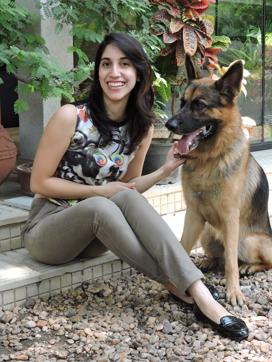
With eight years of experience in the field, Mariwala points out signs to watch out for in cats posts the lockdown such as - “excessive grooming, litter box habits changing, loss of appetite, grumpy behaviour or even aggression towards other cats in the home”. She lists, “The change in routine - with you not being around all the time - may affect some cats. So, keep their feeding routines the same, ensure the one on one playtime continues, leave interactive toys behind for your cat, ensure access to a window so the cat can see the world going by.”
While teaching Eli new tricks to help him cope with the changing routines and surroundings, Parekh says, “Post the lockdown, dogs may have a sensory overload due to noise. However, pet owners will have to wait and see how the lockdown will be lifted - whether it will be phase-wise or not, to know how to deal with their dogs’ behaviours.” She also suggests that this is a “good time to get the full family involved in dog training”. She adds, “Due to the lockdown, many pet parents will face a lack of routine or lack of exercise. This may bring out destructive behaviours in some dogs, that can be worked out with a trainer using online solutions. Some dogs are forced to live with new family members, other dogs or in new spaces, as families come together in isolation. This could rise to issues such as aggression or nervousness. Please reach out to a professional promptly -- don’t wait for the lockdown to end.”


