E-Paper



On the sesame trail: Chefs on their must-have Sankranti dishes


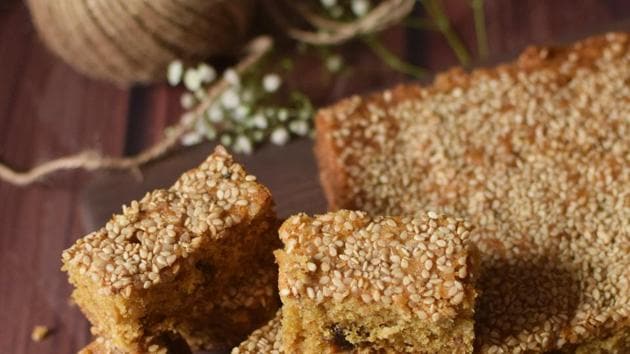
With Makar Sankranti celebrated on January 15, Mumbai city chefs tell us the one special dish they live by, even today
It’s that time of the year when familial and societal edicts demand you to speak sweetly. In Kannada, the saying is, “Ellu bella thogondu bangaaradantha maathaadi.” In Maharashtra, they more popularly say, “Tilgul ghyaa, goad goad bola!” Had religion not been so deeply rooted in performance, culture would have been a rather bland affair. Imagine Holi without gulaal or Eid without Sheer Khurma. The enactment and re-enactment of rituals hold us close to nature. That is perhaps why Ellu Bella or Tilgul (sesame seeds and jaggery) mark Makar Sankranti, celebrated on January 15, in most parts of the country. As a celestial transition prepares us for warmer days, city chefs share the one Sankranti-special dish they can’t go without.
SAY KHEER!
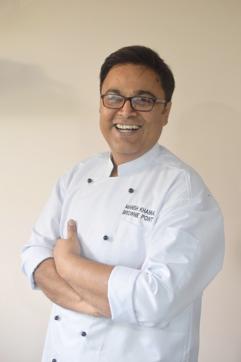
“Lohri takes me back to an indulgent childhood in a joint family,” says chef Manish Khanna, founder of dessert cafés, Noir and Brownie Point. Though a Mumbaikar, his food memories have sincere Amritsari undertones. Helmed by his grandmother, the kitchen would smell of rewris/ sesame disks, gajaks/ rectangular bars made of sesame seeds and jaggery, and shakkar para, a sugar-coated version of Nimki ( a fried snack). However, nothing can replace his grandmother’s bajre ki kheer, he reminisces. “This millet pudding knew minimal use of milk; it was made in fresh sugarcane juice and was wholesome before eating clean became woke. On gaining a sticky texture, it would be generously ladled in with dry nuts sautéed in ghee,” the chef hungrily narrates. Manish revisits the dish every year by savouring it at home with his family. He has innovated with Rewri Brownies to ring in the celebrations this time around, but his heart remains with the kheer.
FIRST BLOOM
One can’t possibly enjoy conversations on Sankranti and not mention the Tamil festival Pongal. Shribala, chef at city-based restaurant, Mustard, takes us down her memory lane of a culture that barely knew of temples until recent times.
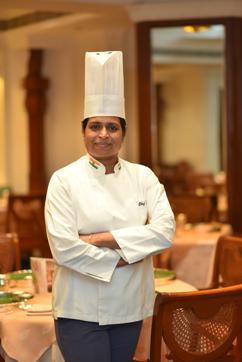
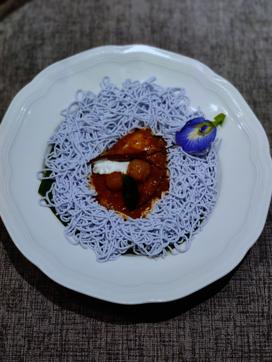
“For me and my people, it is a festival of harvest. We thanked Mother Nature for the right amount of sun, rains and wind.” She dotingly talks about Sakkara Pongal, a must-have in her home town. The curry is a one-pot meal cooked with rice, dal, jaggery and vegetables native to the region. Shribala has come up with a twist to the typical idiyappam, which will be available at Mustard. The chef has used a flower-infused colour and the String Hoppers will be purplish blue. “The Aparajita flower (Asian pigeonwings) grow big and in bounty around this time. I have used its colour to thank nature,” she adds.
FRENCH CONNECTION
Pastry chef Anurita Ghoshal, who trained at Le Cordon Bleu in Paris, takes us on a transcontinental tour. Born in a Punjabi family and married to a Bengali, Anurita’s Sankranti is more about one staple ingredient. Mid-January earlier meant oodles of gur papdi, she says. The Indian sweet, chiefly containing jaggery and white sesame seeds uses the traditional practice of pak (slow-cooking).
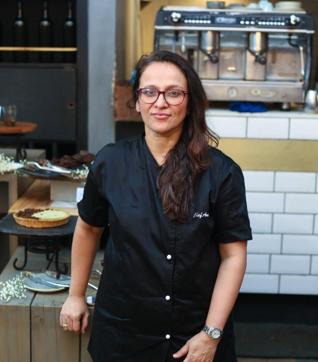
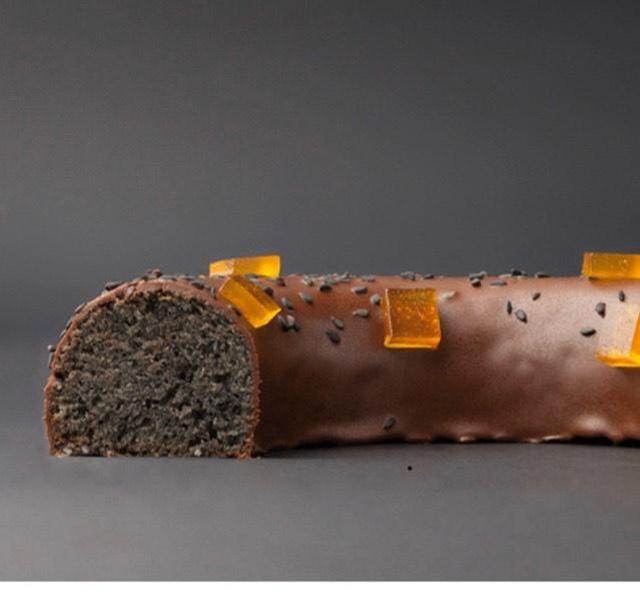
Years later, the robust character of sesame has stayed on with the chef. Her encounters with the French style of cooking and baking strengthened her faith in sesame oil. “It can work wonders in cakes and breads,” she says. Anurita, founder of the bakery Eighth, is making Black Sesame Bundt Financiers this time. “Financiers are tiny teacakes. It’s an inspired recipe. I am going to glaze the rich black cake with chocolate and orange rind,” she adds.
TIL KA POWER
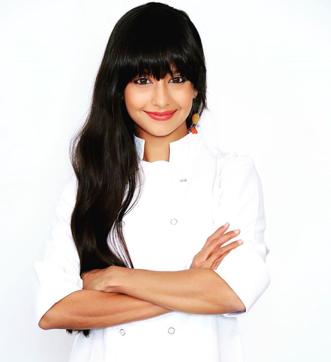
Chef Chinu Vaze tells us that being expressly directed to “eat sweets and speak sweet words” thrilled her as a child. “My respect for sesame seeds doubled on knowing that one teaspoon of it has as much calcium as a glass of milk,” says the co-founder of upscale gourmet catering company, Gaia Gourmet. While she still makes tilgul laddoos at home, her constant favourite are the black sesame seeds. To marry tradition and invention during Sankranti, Chinu makes a Black Sesame Crème Brulee. “Sankranti encourages me to think of harvest meals. I wish the city had more distinct seasons than heat, rain and smog. I love the idea of a table laden with fresh produce cooked by the community and celebrated by all ages,” the chef concludes.
MEAT MEETS GHADA
Manju Velkar’s household is always brimming with exchanges about food. The chef, who co-owns hospitality brand, Greedy Foods, feels ‘home-cooking’ is the lynchpin; it binds the family. “Bhogi chi Bhaaji is our annual customary comfort food. It transports me to my Pune days,” she says. “I was indoctrinated into this mélange of vegetables after our marriage,” adds Manju’s husband Soumitra. “We use fresh harvest — carrots, drumsticks, green gram, tender flat beans and brinjals are cooked in a mellow spice blend. We serve it with bajra bhakris (round unleavened breads of millet),” Soumitra, also a trained chef, explains. “The other indispensable dish is ghada, a typically Pathare Prabhu cuisine preparation I grew up on,” he says. The Ghada is a pot curry made with tubers and brinjals. The couple calls it a “cross between the Gujarati undhiyu and the Parsi umbariyu with the addition of prawns and ghol.” This year, the duo plans to supplant seafood with pork and can’t wait for their diners to experience the difference in taste. For the Velkars, Sankranti is less sugary and more meaty.