
 E-Paper



A Google exhibition is showcasing ancient tales hidden in sari weaves
Check out 3,000 years of global fashion at the virtual gallery. Among the displays, items from two Mumbai museums.


When you can’t go to the museum, the museum comes to you. A new virtual exhibition playing out on Google reflects 3,000 years of world fashion, and includes displays from two Mumbai museums — the Chhatrapati Shivaji Maharaj and the Bhau Daji Lad.
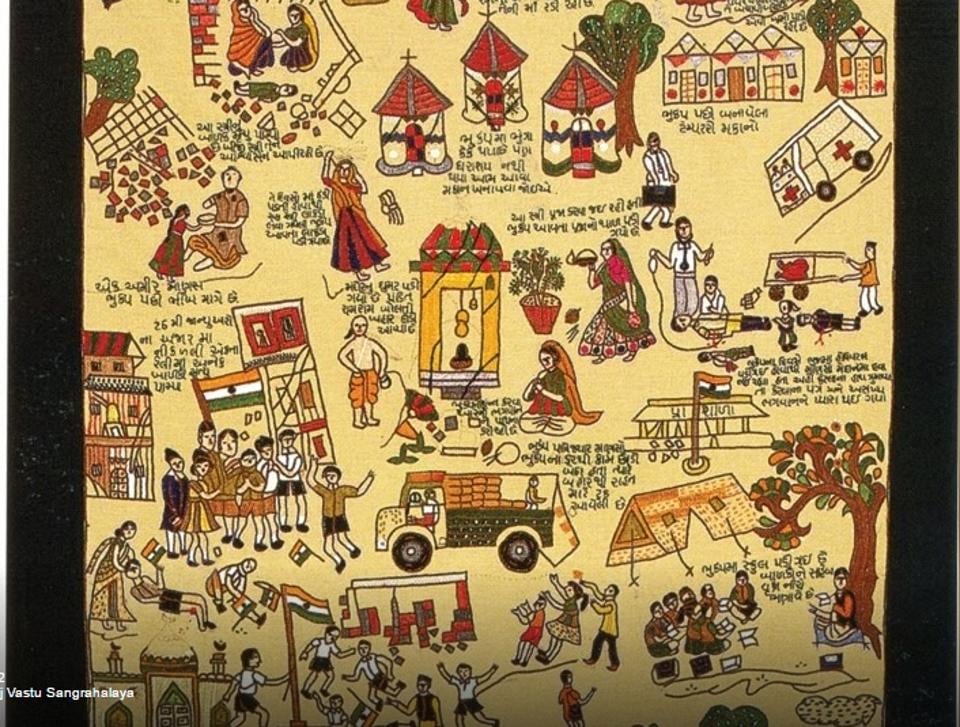
Their exhibits focus on specially crafted textiles passed on from one generation to the next, and variations of the sari, India’s iconic drape, exploring the types of saris, motifs and embellishments and the stories behind each. The exhibition also details the craftsmanship that goes into India’s unique textiles, and the history of cotton in the country.
The exhibition is being hosted by Google Arts & Culture, in collaboration with 183 cultural institutions from 42 countries, including the US, UK, France and Japan. It’s called ‘We Wear Culture’. It opened on June 8. And it holds quite a few surprises for the virtual explorer.
“You might be surprised to find that the sari, jeans or little black dress in your wardrobe has a centuries-old story,” says Amit Sood, director of Google Arts & Culture.
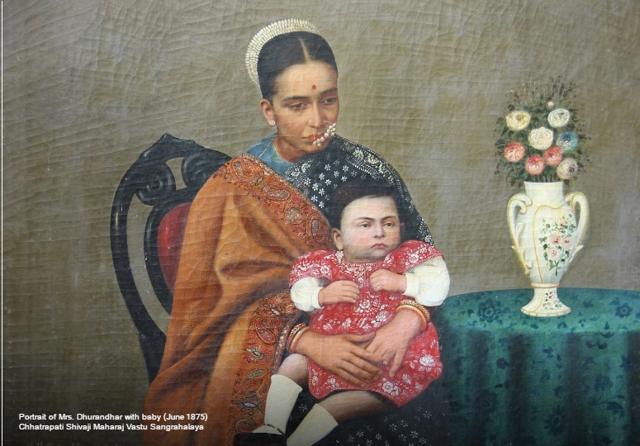
Family heirlooms
‘Potrait of Mrs Dhurandhar with baby (June 1875)’, exhibits the country’s tradition of heirloom textiles.
Wedding finery
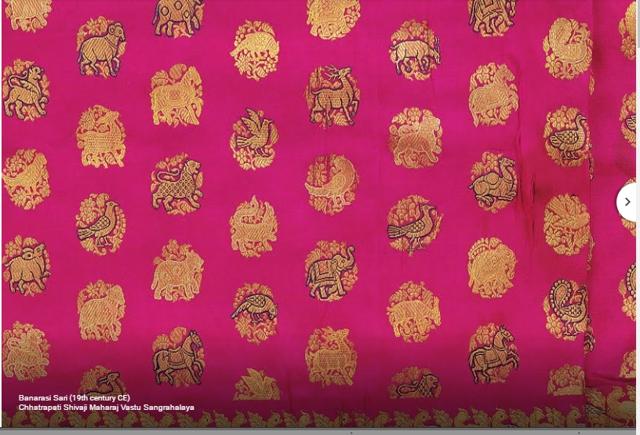
Note the different animals in each gold orb. Benarasi saris are integral to weddings of many Indian communities. This 19th century Banarasi sari is a symbol of how traditional textiles are passed on from generation to generation as a symbol of love and care.
The nine-yard drape
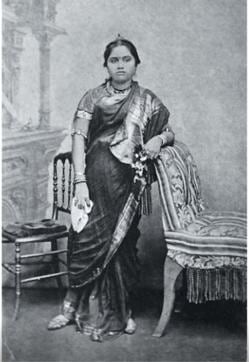
A picture postcard depicts a woman wearing a traditional brocade sari.
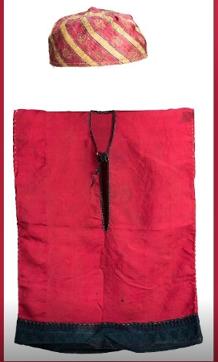
Zabla and topi of Jamsetji Tata
This outfit was made for a baby Jamsetji Tata, founder of the Tata empire, for his sixth-day ceremony. The ceremony was celebrated at Navsari on March 8, 1839. According to family records the outfit was made of silk.
Culture through thread and needle
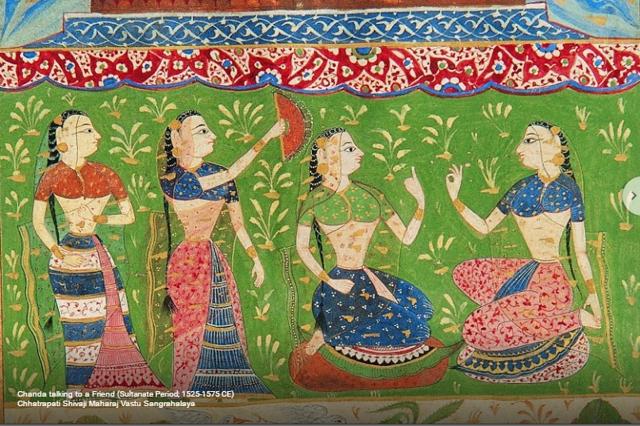
This exhibit, named ‘Chanda talking to a Friend’, dates back to the Sultanate period, 1525 -1575 CE.
Tradition on the verge of extinction
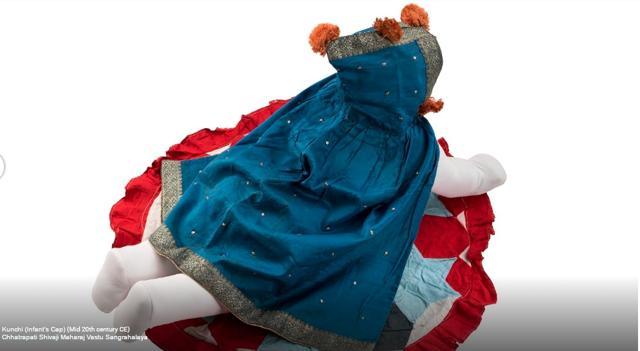
Kunchi is an heirloom textile from Maharastra which is gifted to a Maharashtrian child during his naming ceremony. This kunchi was stitched by Indu Nene for her son in 1962. It was also worn by her grandson in 1993. It was gifted to the museum in 2013. The tradition is on the verge of extinction.

Stay updated with all the Breaking News and Latest News from Mumbai. Click here for comprehensive coverage of top Cities including Bengaluru, Delhi, Hyderabad, and more across India along with Stay informed on the latest happenings in World News.


