
 E-Paper



Cricket will benefit if Indian administration is less fractious
A major reason why the image of Indian cricket has become vulnerable in recent times is because of dissonance within the cricket establishment itself

 Prefer HTon Google


The IPL is in its home stretch and as yet only two teams (Chennai Super Kings and Delhi Capitals) have reached the play-offs. More pertinently, only one team (Royal Challengers Bangalore) has been knocked out, which makes it five teams vying for two remaining spots in the play-offs!
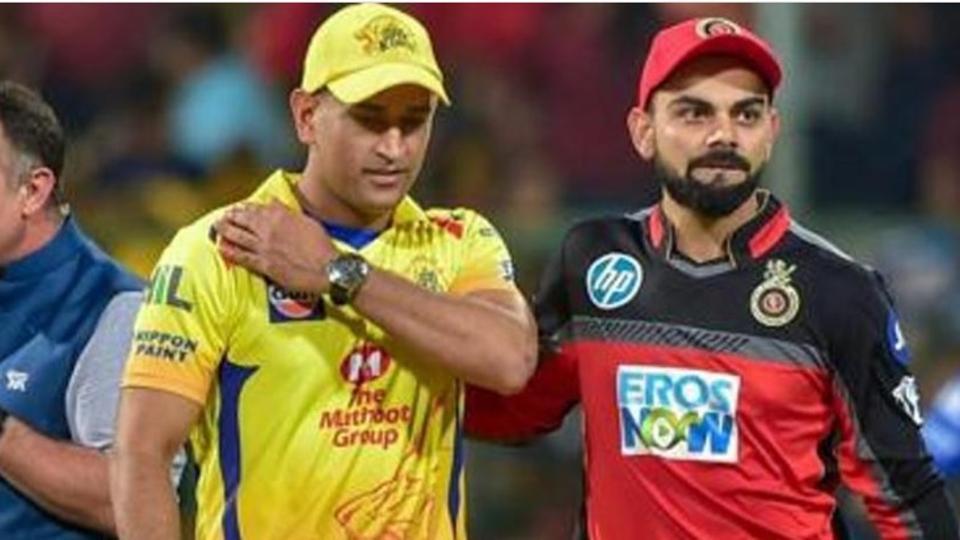
This highlights the flavour of the league and what makes it so enthralling for fans. The final is just nine days away (on May 12), and the next few days are loaded with suspense as these five teams jostle for a place in the last four.
Mumbai Indians is one of these five. As I write this piece, just before the match against Sunrisers Hyderabad at the Wankhede Stadium, Mumbai have a foot in the door on the points won so far.
On Sunday, Rohit Sharma & Co play their last league match of the season, also at the Wankhede, against Kolkata Knight Riders. Home advantage, plus the probability of winning at least one of these matches makes Mumbai’s prospects of reaching the play-offs a cinch.
But hey, cricket is unpredictable, so nothing can be taken for granted. And this ‘kuchch bhi ho sakta hai’ aspect is accentuated in the IPL, as the roller coaster ride over the last dozen seasons would indicate.
True, there have been teams that have won multiple times (Mumbai, Chennai, Kolkata), but it has never been a cakewalk. And it certainly hasn’t always been the case that the best team on paper establishes itself as the best on the field.This makes the IPL different from leagues across the world in different sports. For instance, in football’s English Premier League, one can say with a fair degree of accuracy which 6-8 teams will occupy the top rungs.
A ‘Black Swan’ result, as happened in 2015-16 with unfancied Leicester City unexpectedly winning the title (odds against them were 5,000-1!) is a rare occurrence. Usually, the winner is from among the top 5-6.
The IPL is different. It has surprises and upsets galore. In the first season (2008), Rajasthan Royals was the least favoured team, yet won. The most favoured, Deccan Chargers, finished last. The next season, Deccan Chargers won! This is because the spread of talent is even. This is the big strength of the IPL. Moreover, the texture and tenor of cricket in this format and the way the league is structured mitigates against becoming a one-sided contest on star power alone.
For instance RCB, despite having Virat Kohli, AB de Villiers -- and in previous years Chris Gayle, Shane Watson, Zaheer Khan, Daniel Vettori – have never won the title.
This year Rajasthan, despite Jos Buttler, Steve Smith, Ben Stokes, Ajinkya Rahane and Joffra Archer, have made heavy weather of staying afloat.The fact that all eight teams have an equal chance of winning every year gives a remarkable dimension to the IPL. This, and the fervour it generates in the 2 billion-strong cricket diaspora has made it among the most valued sports properties in the world in less than 12 years.
That makes for a remarkable story, and it is both surprising and dismaying that the IPL should still be viewed with a great deal of scepticism, especially overseas.
I recently shot for an American digital network program, and came back surprised. Almost the entire line of questioning about the IPL (and Indian cricket generally) was on corruption and misuse of authority.
True, the IPL has been riddled with controversies since it started in 2008. But to look at it only through that prism is unfair. Not only has IPL made cricket a ‘global’ sport, it is also an expression, like Bollywood, of India’s growing soft power.
Misgivings about the IPL persist possibly because of bias, ignorance, (or both), but also because the Indian cricket administration hasn’t done enough to correct the shallow image. That can’t come only through massive PR. Rather, the cricket establishment must put in place robust systems and processes that make administration transparent, and checks and balances that make corruption virtually impossible. A major reason why the image of Indian cricket has become vulnerable in recent times is because of dissonance within the cricket establishment itself. About time this was resolved.


