
 E-Paper



Dahisar river is worth a dam: BMC, forest dept nod for plan
Dam to come up downstream from boating area inside SGNP, help restore rainwater.

 Prefer HTon Google


In a push to citizens’ efforts to revive the Dahisar River, the forest department and Brihanmumbai Municipal Corporation (BMC) approved their plan to build a 5ft-high check dam (a small barrier of rock, gravel bags, sandbags and others to prevent erosion) in the lower reaches of the 13-km-long river to store water received during the rains.
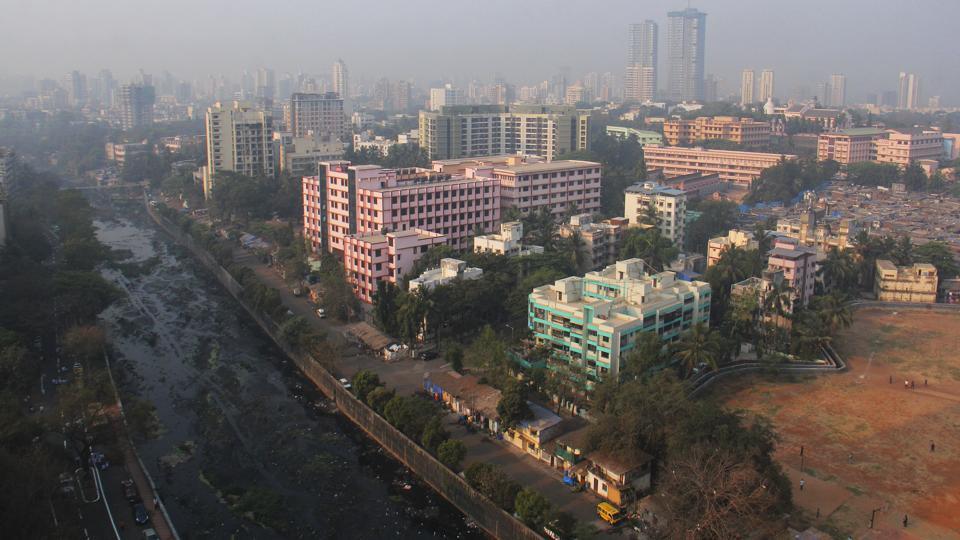
To be built by the International Association for Human Values (IAHV), a part of Art of Living Foundation, the dam will be constructed 750m downstream from the boating area of the river inside the Sanjay Gandhi National Park (SGNP). The work is expected to start in November, and the first phase of the project (building the dam) is expected to cost ₹25 lakh. The work is likely to be completed in six months.
In the first phase, the check dam with three gates will help store water, regulate the velocity of water flow and slow down the run-off. “This will help the groundwater table to recharge. Once the water is stored and retained, it will percolate underground, recharging borewells and wells in surrounding areas,” said Ramesh R, chief executive officer, IAHV.
The Kolhapuri style check dam has a mechanism where the sluice gates (at least two or more of which control water levels) can be manually operated, allowing more water to be released if needed. In case of other dams, the amount of water released is limited or they don’t have gates at all.
Water pollution in the river is almost 14 times the safe limit, according to the water quality data from BMC.
HT recently visited the site and found the river had dried up.
The second phase of the project will include cleaning up of the river in the lower stage and restoring original flora along the banks. “We will use enzymes and microbes to ensure there is more dilution of pollution, better treatment and reduction in stench. In further course of the river, a sewage treatment plant (STP) has been installed to treat the contaminated water from Dhobi Ghat,” said Ramesh. The second phase is spread across the next three years and will be funded by private companies.
The project has received no-objection certificates (NOC) from SGNP and the water supply department of BMC. “It does not pose any threat to the flora and fauna,” said Anwar Ahmed, director and chief conservator of forest, SGNP.
A senior BMC official said, “Based on discussions with additional commissioner of the eastern suburbs, we have no objection. Structural stability approval is needed, and the gates need to remain open between June 1 and September 30 to ensure no obstruction in water flow,” the officer said.


