
 E-Paper



Development Plan 2034 is Mumbai’s last chance to get affordable housing
Five myths associated with this were debunked last week. Let’s consider some key aspects.


The space given to affordable housing in Mumbai’s new Development Plan (DP), approved by the state government and partially unveiled last month, has different sections of citizens excited. Five myths associated with this were debunked in this column last week. Let’s consider some key aspects.
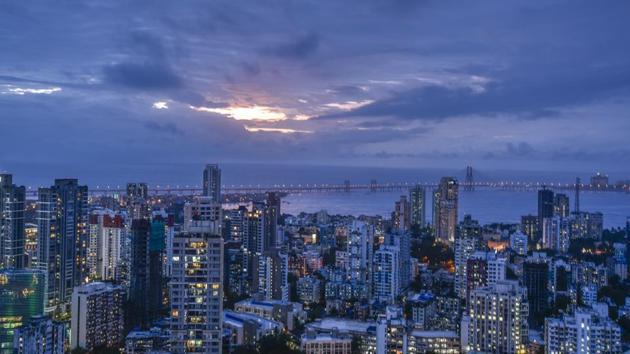
One, there exists a deep housing inequality with a very few Mumbaiites – the power elite as it were – able to afford large, spacious and premium living spaces while those in the Economically Weaker Section or Below Poverty Line are forced to live in inadequate spaces without basic necessities. And others in the middle struggle in their own ways. The exponential price rises at the top have adversely impacted prices of houses in the middle and lower class segments which, in turn, have priced out houses — even single rooms with shared sanitation — for the bottom sections.
Two, the market has failed to respond to the complex and growing housing needs of the city; it has especially failed to provide for those at the bottom levels of the pyramid. That there is a surplus of housing stock and unsold inventory in the top tier projects alongside a severe shortage in other categories unequivocally show this. The market caters to specific needs where the promise of profit is highest or, at least, high. Affordable housing does not rake in large profits.
Three, the state government and the Brihanmumbai Municipal Corporation cannot shrug off their responsibilities. Successful models of affordable housing across the world have various degrees of government participation, involvement, even ownership. The Singaporean model, to name one, is a successful one; it is scalable and replicable as urban housing analysts have told us. In Mumbai, the state or local government has been happy to announce tax breaks or subsidies for builders – and sit tight. Between politicians, bureaucrats, and builders, each lobby has attempted to extract the maximum possible gain for itself while passing on the blame to the other two.
Four, just as supply side incentives or subsidies are important, the demand side subsidies or incentives too are. The present home finance models and tax breaks cater more to those in the middle to upper income groups; there’s little to motivate others down the pyramid. There aren’t enough affordable houses to buy and there aren’t enough loans to buy the few that are available. This cannot be addressed only by the DP unlocking land in Mumbai.
Five, the rental housing option is not considered a viable part of affordable housing in Mumbai. As migrants come for work, they need houses to live in. These can be rented too, they need not be purchased. If the existing housing stock is freed up for rentals, the situation may improve even before more land is made available for new construction. Urban planners and study groups have articulated this in detail but it has not found favour with governments. The reasons are obvious.
Six, affordable housing is now the sunrise slice of the housing sector. It saw a jump of 27% across eight cities last year. Of the total new launches of affordable homes in these cities, 40% were in Mumbai alone. The business part of this is receiving – and will continue to receive – great attention. This threatens to take the focus away from making houses affordable to the business aspect of making affordable houses.
Seven, affordable housing cannot be divorced from basic civic and social amenities that are available or planned for the future. To enhance the housing stock without a corresponding augmentation of services would be disastrous in a city where infrastructure is already creaking.
In Mumbai, which has among the world’s most expensive real estate, the DP could be the city’s last chance to get its affordable housing right. But don’t bet on it..


Stay updated with all the Breaking News and Latest News from Mumbai. Click here for comprehensive coverage of top Cities including Bengaluru, Delhi, Hyderabad, and more across India along with Stay informed on the latest happenings in World News.


