
 E-Paper



Medicinal herbs offered to Ganpati end up at Mumbai’s beaches, dumping grounds
A city-based environmentalist has identified a list of small shrubs and herbs that are offered to Lord Ganesha during various ceremonies


A city-based environmentalist has identified a list of small shrubs and herbs that are offered to Lord Ganesha during various ceremonies, but end up at dumping grounds or beaches after immersions rather than being preserved for medicinal purposes.
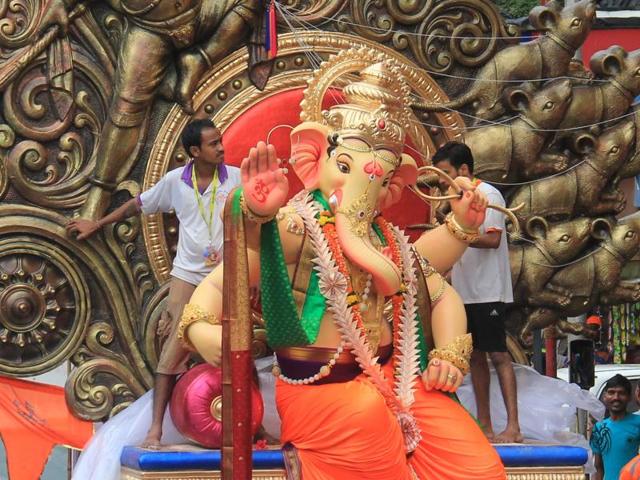
Monali Ranadive, from non-government organisation Ecopersona, who is currently carrying out a study, compiled a list of 21 small plants seen growing in foothills of Sahayadri.
“The three most common plants of the ones offered to Ganesha are – Durva, Shammi patra and Kevada – that have extensive medicinal value. They are all collected by Adivasi women from different parts of the state and sold in cities like Mumbai during the festive season,” said Ranadive. “However, the remainder of the unsold plants is found dumped outside Dadar station or at city beaches after immersion processions.”
The most favourite offering -- Durva (Cynodon dactylon) -- is used to treat wounds, eye problems, skin rashes, constipation and other ailments. “Unfortunately, the grass sold as Durva is not Cynodon dactylon. Anything and everything that looks like this plant is uprooted and brought to the market,” she said, adding devotees buy these plants, but are unaware about their medicinal significance.
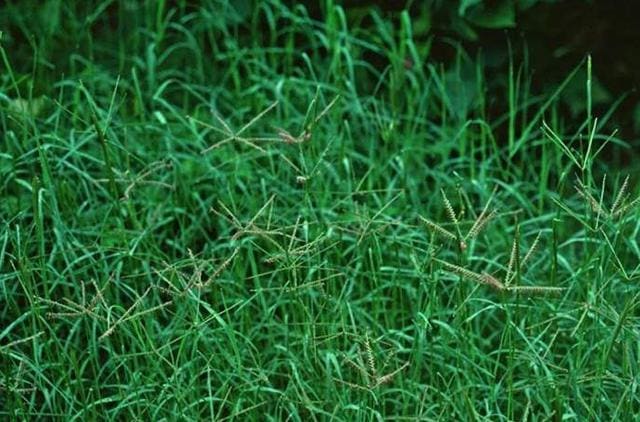
Ranadive said it is necessary to revisit cultural and ritualistic aspects of all festivals. “Following rituals blindly needs to stop. Time has come to ask important questions and check whether there is a fine line between what is culturally correct and scientifically accurate, in terms of safeguarding the environment around us,” she said.
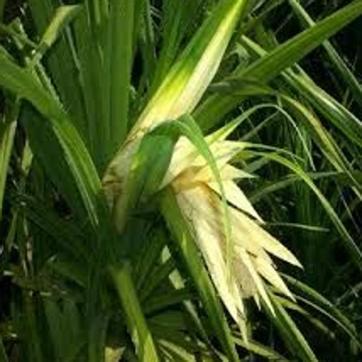
Some environmentalists and botanists in the city agreed to the premise. “Ganesh mandals do not know the value of some of these medicinal plants that botanists across the world sometimes strive to find,” said Marselin Almeida, botanist. “The state government needs to take into account their importance before they are used.”
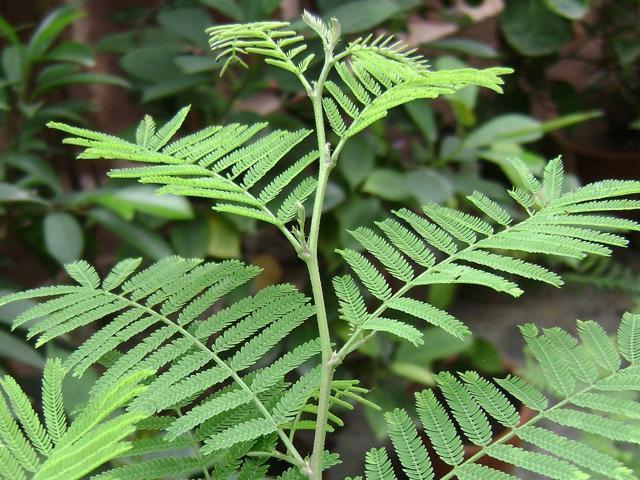
“Stalin Dayanand, project director, NGO Vanashakti, said, “The mandals need to be educated about their value, so they make efforts to conserve it or at least allocate funds for their conservation.”
Meanwhile, some environmentalists said the plants could even be reused after offerings were made.
“The nirmalya (flower waste) being thrown at city beaches should be stopped and collected for further use. However, if some plants are protected species, the onus is on the forest department to stop people from plucking them,” said Anand Pendharkar, environmentalist.
Stay updated with all the Breaking News and Latest News from Mumbai. Click here for comprehensive coverage of top Cities including Bengaluru, Delhi, Hyderabad, and more across India along with Stay informed on the latest happenings in World News.


