
 E-Paper



High-quality fake notes smuggled into city
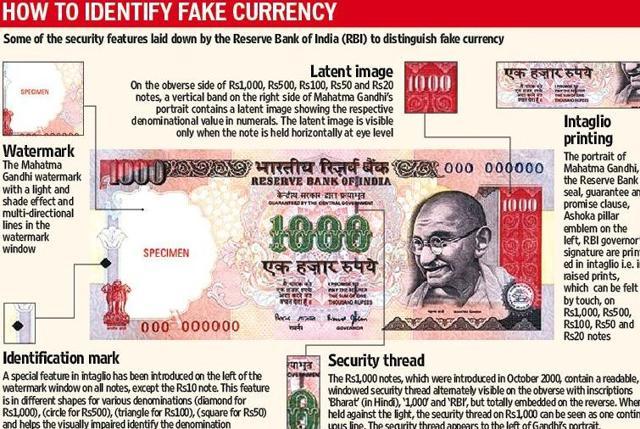
Till mid-2014, the fake currency notes did not have the Mahatama Gandhi water mark and the latent mark of the Reserve Bank of India


With sophistication in the printing press over the years, the new series of fake currency notes even have the crucial watermark on them. This, in effect means you cannot identify if a currency note is fake by just looking at it.
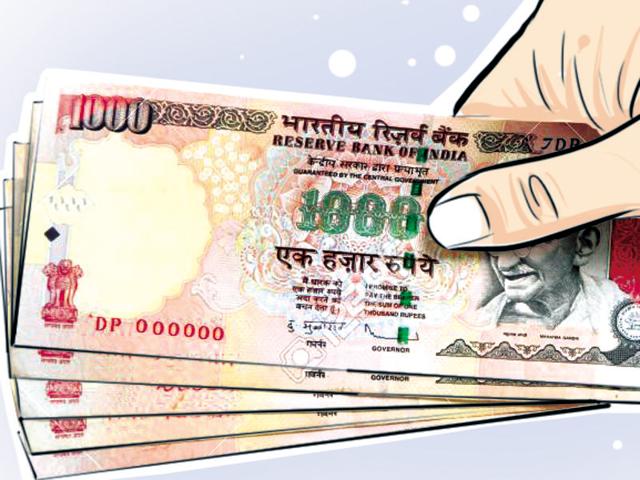
The notes, termed high quality counterfeit currency, are printed at a press operating across the border in Pakistan and enter the country through various routes, according to the police. These notes can only be identified with the help of ‘ultraviolet rays’.
Till mid-2014, the fake currency notes did not have the Mahatama Gandhi water mark and the latent mark of the Reserve Bank of India. But the new machines manage to include these security features, said officials.
“The notes that are being smuggled into the state and Mumbai are of high quality. We continuously keep a tab on repeat offenders to crack down on circulation of fake currency. We plan to intensify the drive further,” said Dhananjay Kulkarni, deputy commissioner and Mumbai police spokesperson.
Apart from the Indo-Bangladesh border via Malda, Indo-Nepal border, too, is being used to bring fake currency into the country. But most smugglers prefer the Malda route, as it is safer.
Read more: Labourers, house help: Carriers of fake currency in Mumbai
The police suspect the fake currency racket is being used to fund terror activities. The handlers, lowest in the hierarchy in the smuggling chain, are prosecuted under provisions of Indian Penal Code for using as genuine, forged or counterfeit currency notes or bank notes under section 489 (B), which attracts a minimum jail term of two years.
Since late 2014, the police have started applying the Unlawful Activities (Prevention) Act, which provides a minimum prison term of seven years to these handlers and a stricter sentence to repeat offenders. “Unlike in the past, nowadays, handlers don’t get bail easily. They are granted bail after serving at least two years in jail. Once released, they go missing, only to start operations again,” said the officer.
Officials said a shift in policy is needed to counter the problem.

Stay updated with all the Breaking News and Latest News from Mumbai. Click here for comprehensive coverage of top Cities including Bengaluru, Delhi, Hyderabad, and more across India along with Stay informed on the latest happenings in World News.


