
 E-Paper



Mind The Gap: Big Tech’s very bad week
A US jury has held Big Tech liable for causing harm by design. Will this lead to a larger reckoning?

 Prefer HTon Google


A landmark trial against Meta and YouTube brought by a 20-year-old woman who blames the platforms for social media addiction that began when she was six, has ended with the jury finding the companies guilty of harming her through design features that they knew were addictive.
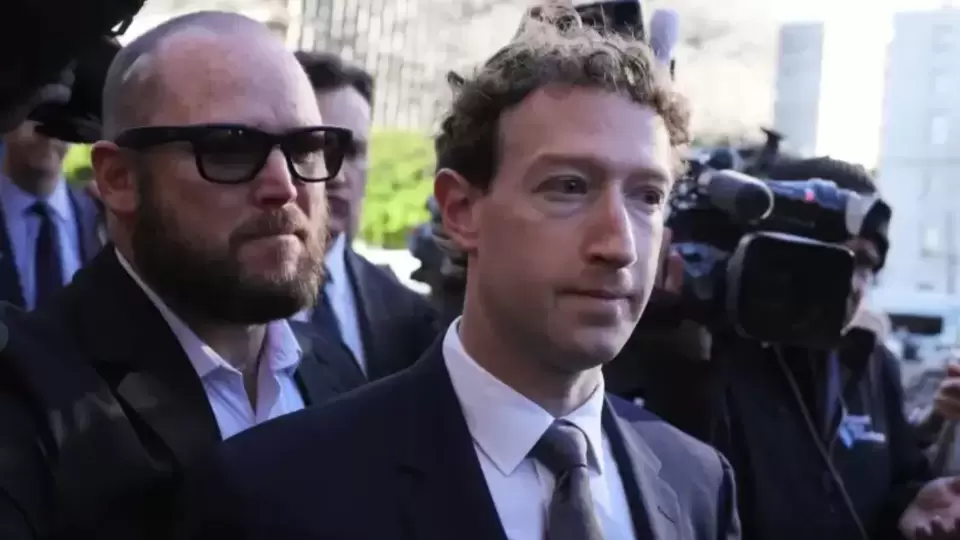
Mark Lanier, the lawyer for the woman identified as KGM or Kaley, said his client suffered from mental health issues, including compulsive use, depression and body dysmorphia, as a result of her addiction. The “companies built machines designed to addict the brains of children, and they did it on purpose,” he said in his opening remarks, as reported by BBC.
Mark Zuckerberg’s Meta will pay Kaley $4.2 million, YouTube $1.8 million in damages—peanuts to the behemoth companies when you consider that Meta made US$ 60 billion in profit last year, reported The Wall Street Journal. But the award is significant in its impact on similar lawsuits. “It is likely to factor into similar cases expected to go to trial this year, which could expose the internet giants to further financial damages and force changes to their products,” reports The New York Times. Eight other cases filed by individuals are scheduled to go on trial in the same Los Angeles court where Kaley’s was held.
The verdict is the second in a week. In the first, a New Mexico court ordered Meta to pay $375 million for misleading consumers about the safety of its platforms. The platforms, in fact, the court found, “enabled paedophiles and predators to engage in child sexual exploitation”.
Bloomberg Intelligence predicts that the liability in future cases could be in the “single digit billions” for each social media company.
The verdict is the first in which a court has held social media companies—Meta owns Facebook and Instagram; YouTube and Google are owned by Alphabet—guilty for deliberately causing harmful behaviour. US law protects social media companies from content posted on their platforms as ‘intermediaries’. But Kaley’s legal team focused on platform design rather than content, comparing it to the harms caused by Big Tobacco companies that continued to sell cigarettes while knowing them to be both harmful and addictive.
Both companies have said they will appeal the decision.
The gender angle
With features like infinite scroll and algorithmic recommendations designed to hook users, the damage, including anxiety and depression, caused by sustained use has been documented for years.
This damage has a gender angle. For instance, a review on ScienceDirect of articles published between 2008 and 2024 finds that high social media use is associated with a tendency to compare oneself with others, particularly on body image concerns and results in greater eating disorders.
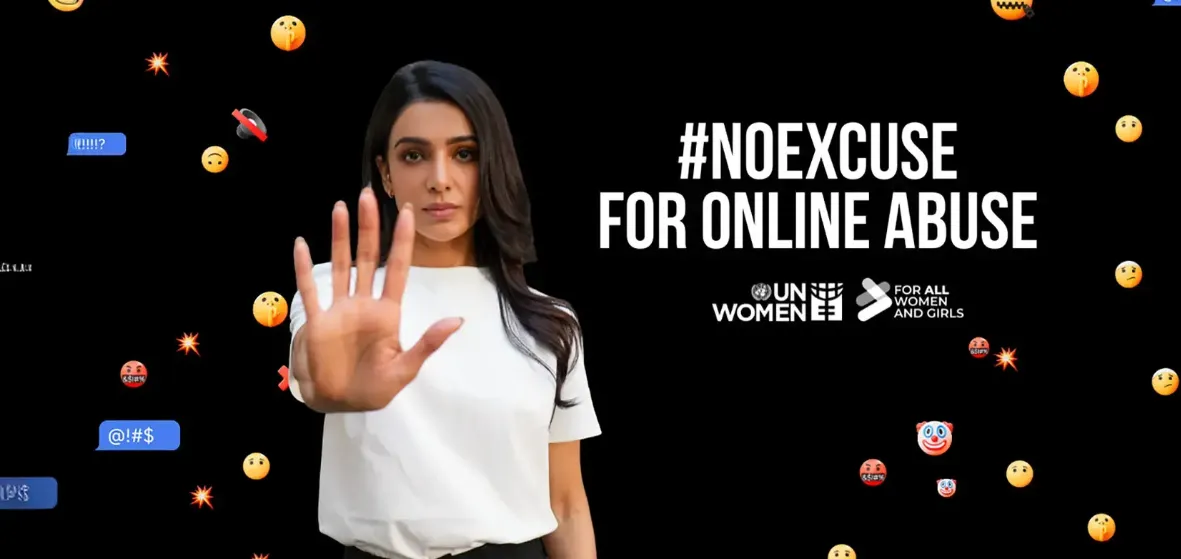
In November last year, UN Women chose digital violence as its theme for the annual 16 Days of Activism Against Gender-Based Violence. Calling it “one of the fastest-growing forms of abuse”, the organisation said that “for millions of women and girls the digital world has become a minefield of harassment, abuse and control”.
The abuse is facilitated by social media platforms and includes the non-consensual sharing of intimate images (‘revenge porn’), cyberbullying, sexual harassment, AI-generated deepfakes including deepfake pornography, the publishing of private information (‘doxxing’), online grooming and the flourishing of ideas of toxic masculinity on the manosphere.
Everybody is affected but “digital violence targets women more than men, across all walks of life, especially those with public or online visibility—such as activists, journalists, women in politics, human rights defenders, and young women.” This violence is exacerbated for women facing intersecting forms of discrimination including caste, disability, gender identity or sexual orientation.
Global awareness

The world is waking up to these harms and figuring out ways to protect children at least. Australia, the first country to ban social media use for under-16s, is being closely watched by others. This week, Indonesia will begin deactivating under-16 social media accounts including those on the online gaming platform Roblox. Austria has plans for under-14s. France, Denmark, Spain, and the UK are mulling restrictions. In India, Karnataka has announced that it intends to impose a social media ban on under-16s.
This week, the European Union began intensifying efforts to enforce compliance with online child-protection rules, warning that pornography platforms aren’t doing enough to prevent minors from accessing adult content.
Outside the Los Angeles court, groups celebrated the verdict. ParentsSOS, a coalition of families who have lost children to harms associated with social media called the ruling a “watershed moment. Moms Against Media Addiction celebrated the verdict as a crucial step.
International human rights and tech freedom groups also celebrated with Amnesty International calling for meaningful change and Human Rights Watch hailing the verdict as a “rare reckoning for tech companies”.
Jonathan Haidt, author of the best-selling boom The Anxious Generation hailed the “capacity of people in democratic societies to take action, even when opposing some of the most powerful corporations in history”. Crediting among others, parents, legislators, teachers, grassroots organisations, and especially survivor parents who have told their stories of loss in the hope no other parent would have to endure what they have endured, he tweeted, “At long last, juries and legislatures are hearing you, and are acting.”


