
 E-Paper



Policies and People | How Pune and Dhaka are tackling the climate emergency
The two winners of the C40 Cities Bloomberg Philanthropies Awards focus on immediate climate action illustrate the power of cities to be doers, not delayers, setting a new level of ambition.

 Prefer HTon Google


In November, Egypt will host the 27th Conference of the Parties (COP27) of the United Nations Framework Convention on Climate Change to pave the way for future ambition to tackle the climate crisis. As all reports indicate, the main discussions will revolve around the vital issue of adaptation finance. For example, an October 19 analysis of the World Resources Institute said that the United States and other major carbon polluters would face a demand for $4.3 trillion from vulnerable and lower-income countries.
The focus for India will be a multilaterally agreed definition of finance; a decision on the new collective goal on finance beyond 2025; an assessment of the commitment made by the developed countries to provide $100 billion/year of climate finance by 2020; and matters related to article 2.1{c} of Paris Agreement.
Positive climate action
While the rich world has been dithering on its financial promises, the developing world is trying its best to cope with the climate crisis.
On Thursday (October 20), Bloomberg Philanthropies announced its prestigious awards — C40 Cities Bloomberg Philanthropies Awards — which recognise leadership in urban climate action and celebrate the most ambitious and impactful mayor-led projects to tackle the climate crisis. This year, 70 cities competed for the awards (10 categories), and of the 10 that won, eight were from the developing world.
While all the winning cities show serious climate leadership and prove that it’s not all gloom and doom in the climate crisis, I will focus on the Pune and Dhaka projects. This is because both projects have picked up issues critical to almost all Indian cities, many of which are struggling to develop their respective climate plans.
Rapid electric bus deployment, Pune
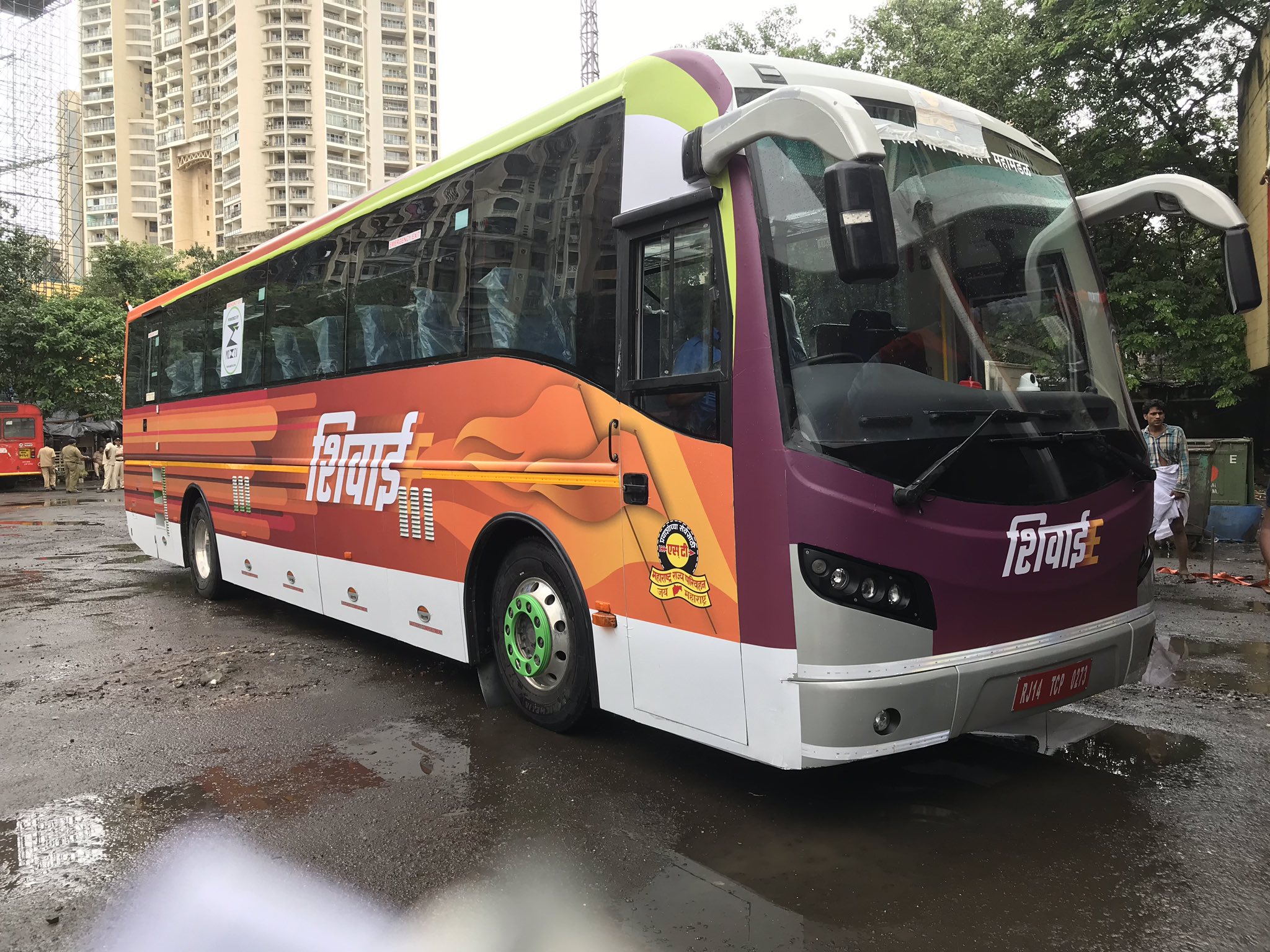
The former seat of the Marathas and the “Queen of Deccan”, has a severe air pollution problem. The levels of particulate matter are 10 times higher than what the World Health Organization deems safe for humans. So, Pune is investing heavily in a public transport electrification programme to tackle this.
Since 2019, 15% of the city’s buses have been electrified, and 1.2 million passengers use them. This year, the city will deploy 244 e-buses to expand its e-bus network, followed by 300 mini e-buses later in 2023. These additions will take Pune’s total e-buses to 950, accounting for 40% of the city’s fleet.
“Each year, Pune’s transport sector emits an estimated 1.1 million metric tons of CO2 ― about one-fifth of the city’s annual greenhouse gas emissions. Vehicular emissions contribute to about 25 per cent of the city’s particulate matter (PM) emissions, which, on average, exceed international guidelines,” said an earlier statement of the Pune Municipal Corporation.
And it’s not only about clean air
The city will save ₹656 crore ($88 million) throughout the fleet’s lifetime, and the emissions savings are equivalent to taking over 3,000 petrol and diesel-fuelled cars off the roads.
“The rapid pace of electrification of our public bus fleet is a testament to our commitment to promoting clean and sustainable modes of transportation. Through this project, we aim to create a replicable model that guides and inspires other cities to take steps towards decarbonising urban mobility and carving a sustainable future,” the municipal commissioner of Pune, Vikram Kumar, told C40.
Expanding green spaces to create a more inclusive and livable city, Dhaka North City Corporation, Bangladesh
Dhaka North is one of the most densely populated cities on earth, leading to a lack of clean, green urban spaces for millions of residents. Like any mega city, it attracts migrants — estimated 2,000 new arrivals every day, 26% of whom are climate migrants fleeing from floods and droughts in rural areas to find a safer life in the city. But they often find themselves living in informal settlements; increasing green space means that new areas will be opened up for residents to mix, mingle and break down social barriers.
Dhaka North is increasing urban green space by 70% and public toilet access by 80%, ensuring residents to recreational areas and clean and sanitary bathroom facilities. The city is also developing 16 parks, three playgrounds, rainwater harvesting facilities, and improving pavements and cycling routes. By the end of 2022, Dhaka North aims to provide green spaces accessible within a 15-minute walk for 20% of the population.
Other than their recreational value, the green spaces will increase climate resilience to heat waves and flooding, reduce greenhouse emissions, and create areas that are both equitable and accessible.
“I believe creating physical infrastructure like parks, playgrounds and green spaces will help our future generations to have an improved well-being infrastructure. Action against climate change is required now; C40 Cities encourages us to take such bold steps.” Mayor of Dhaka North City Corporation, Atiqul Islam, told C40.
The two cities, and the others that have won the award, show that there are ways to tackle climate emergency and that their authorities are committed to local communities and the planet. Moreover, the focus on immediate climate action illustrates the power of cities to be doers, not delayers, setting a new level of ambition. Hopefully, as the world congregates in Egypt, these examples will inspire leaders to invest in a greener future.
The views expressed are personal


