Investing in women’s nutrition can have positive health outcomes. If India takes the lead here, the effects will be felt long after its presidency of G20 ends
With India leading from the front in women-led development in its G20 presidency, this is an appropriate time to look at the issue of malnutrition and how it has a direct impact on women. According to a recent UNICEF report, Undernourished and Overlooked, more than one billion adolescent girls and women across the world suffer from undernutrition, deficiencies in essential micronutrients and anaemia, which have devastating consequences on their lives and wellbeing.
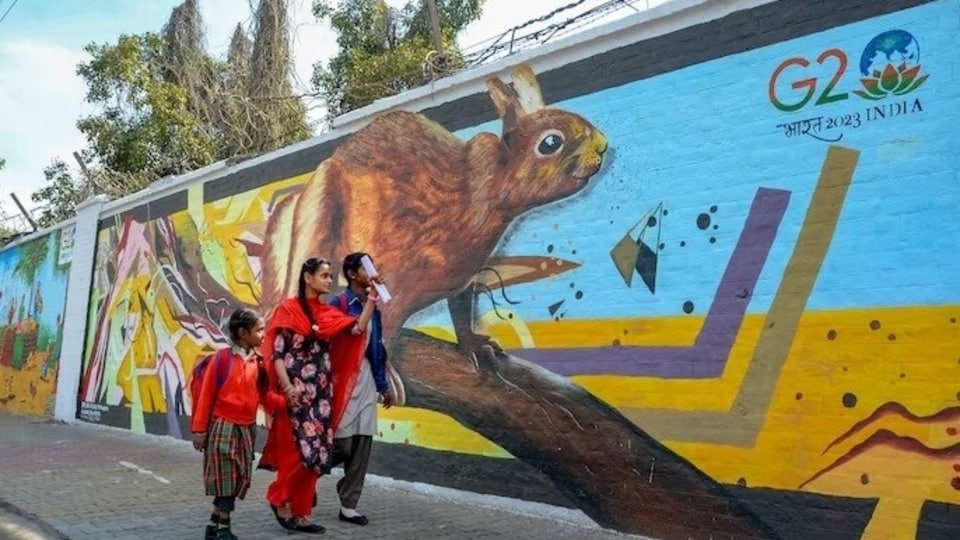
If India takes the lead on female nutrition at G20, the effects will be felt not just nationally but across the Global South, and yield dividends long after its presidency of G20 ends (HT File)
In India, findings from the National Family Health Survey-5 (2019-21) indicate that more women are undernourished and deficient in essential micronutrients, more women than men are below their optimum body mass index, and women between the ages of 19 and 49 are twice as likely as men to be anaemic. The overall prevalence of anaemia is consistently high among women, at more than 50% in almost all age groups.
Malnutrition in women and girls creates a vicious cycle. They are more likely to experience poor health outcomes, which will hinder their ability to participate in social and economic activities. While there are existing policies and frameworks designed to address maternal health and nutrition-related issues, those often lack focus on the specific needs of non-pregnant, and adolescent girls. Even maternal health services are provided with the aim of good foetal outcomes, rather than a woman’s overall well-being.
Dr Suneela Garg, chair, programme advisory committee, the National Institute of Health and Family Welfare, says, “Improving the nutrition status of women and girls is key to attaining Sustainable Development Goals. This should be based on state- and district-specific challenges incorporating capacity building and system strengthening. A comparative analysis of such dietary regimes across the nation would be helpful to prepare a dietary diversity index at the macro and micro level which, in turn, will help the administration to design programmes and policies to influence the nutritional status of women and girls at the community level.”
Even though POSHAN Abhiyaan and POSHAN 2.0 focus on improving women’s nutrition, there has been a lack of attention towards non-lactating and non-pregnant women. Targeting women between 15 and 19 is a vital step towards ensuring policy coherence, and multi-system and multi-sector actions to improve nutrition. Dr Sheila Vir, public health nutrition consultant and director of the Public Health Nutrition and Development Centre, says, “Gender discrimination discourages completion of school education and drives the practice of early marriage and conception that prevent girls from gaining optimum height or weight. Moreover, women are not empowered to decide on effective use of resources for her family’s nutrition security nor for objecting to the inappropriate intra-family cultural practice of selective food serving patterns to male members.”
Investing in women’s nutrition can have positive long-term health outcomes, improving their immunity to protect them from diseases. Improving nutrition among women can have intergenerational benefits — if women choose to be mothers, their good nutrition will lead to a better quality of life for their children. Therefore, it is crucial to invest in women’s nutrition. If India takes the lead on this issue, the effects will be felt not just nationally but across the Global South, and yield dividends long after its presidency of G20 ends.
Lalita Panicker leads the opinion section at Hindustan Times. Over a 33-year career, she has specialised in gender issues, reproductive health, child rights, politics and social engineering.

 E-Paper