
 E-Paper



What temple towns of Shirdi and Shegaon tell us about India’s economic condition | Opinion
While the economy of both Shirdi and Shegaon is wholly dependent on shrines, the former has financially progressed fast compared to the latter which remains an underdeveloped town in Vidarbha region.


Located around 330 kilometres from each other, the two temple towns of Maharashtra – Shirdi and Shegaon – attract thousands of devotees every day throughout the year. But that is where the similarity ends.
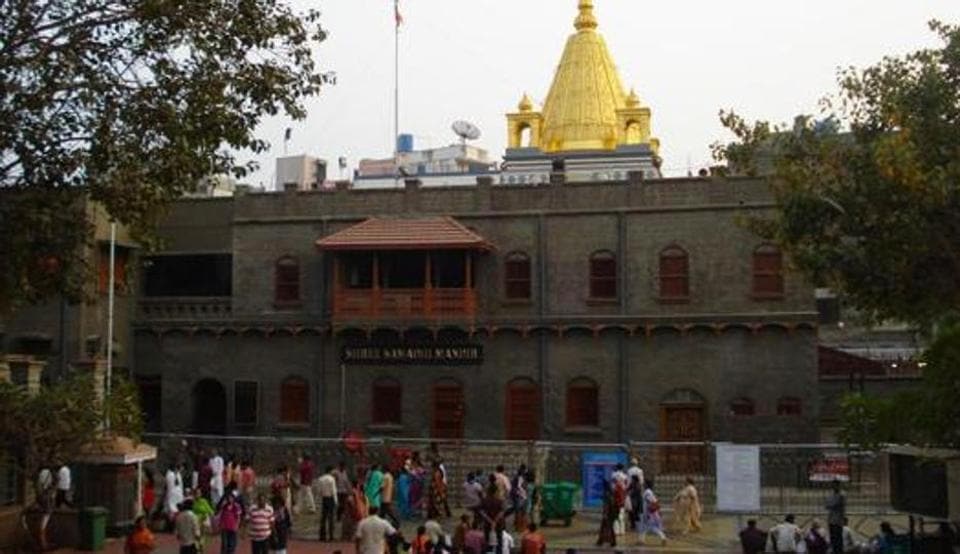
While the economy of both Shirdi and Shegaon is wholly dependent on shrines, the former has financially progressed fast compared to the latter which remains an underdeveloped town in Vidarbha region.
Shegaon in Buldhana district is famous for Sant Gajanan Maharaj temple, but is also a classic example of ‘benevolent state’. The temple trust is famous for its caring attitude. It takes care of visitors, who return with satisfaction for the free services provided by trust.
Offering free bus service from the temple to the railway station and bus stand, medical facilities, lodging and meals, the temple trust ensures that devotees coming here do not have to pay for anything. The experience is thoroughly delightful for devotees.
But it has an adverse impact on local economy as there are no big hotels, private lodge or hospitals. The private transport business has taken a hit with only few auto rikshaws and cabs plying the city. The trust runs an engineering college, which is known for its discipline and quality education. But students complain they have to come to Khamgaon for ‘enjoyment’. The trust developed ‘Anand Sagar’ a recreation centre a few years ago after realising the need to provide employment to locals complaining about lack of jobs. But it has not much contributed in Shegaon’s economy.
It is a different story with Shirdi which also gives devotees everything, but as paid service. Right from VIP darshan at Saibaba temple for which devotees have to pay charges, to airport transfers, Shirdi Ahmednagar district of Western Maharashtra in true sense is model of capitalism. While its economy revolves around Saibaba temple, locals are benefited most through small and big businesses in absence of benevolence shown by trust. The city with population of 40000has far more number of hotels including a few luxury ones. Its roads are much better and there are more cabs.
The regular circulation of money makes everyone prosperous in Shirdi, a scene missing in Shegaon, a town with a Municipal Council and a population of around 60000. As there is no money in people’s hand, consumption level in this small town has consistently gone down and has reflected in living standards of its residents.
Shirdi has multiple car and two-wheeler showrooms but Shegaon has barely any. If Shirdi’s restaurants are often full with customers, small eateries in Shegaon often wait for them.
This situation to some extend also mirrors India’s current economic problems which is more due to demand-side issues rather than supply.
As there is not enough money in people’s hand for reasons such has stagnation in salaries, fewer new jobs, it has affected consumption, ultimately driving the economy down. Shirdi defies this logic as visitors coming here are forced to pay at every step for various services. Spending by devotees has also fuelled the prosperity of locals which in turn reflects in rising real estate rates in this western Maharashtra town.


