
 E-Paper



Delhi Half Marathon: Winner Almaz Ayana lost in translation & missing fans
Hindustan Times took a motorcycle ride with an official monitoring the elite race and felt the absence of a lively atmosphere at the Airtel Delhi Half Marathon. Only a handful of people were at the point where the route turns into Raj Path. Otherwise, only those in khaki or wearing the official badge could be seen.

 Prefer HTon Google


The world finest woman distance runner Almaz Ayana won as she pleased on her half marathon debut in Delhi on Sunday, and then confessed to being lost, in translation.
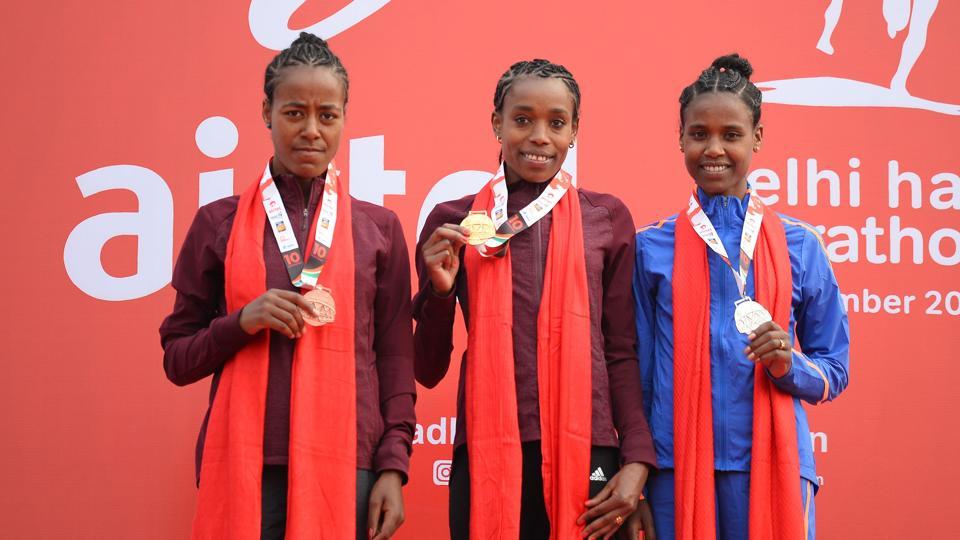
The Olympic and world 10,000m champion felt she could have poured on the pace to go with her front-running style, but was confused midway through the 21km race.
READ | Sudha Singh takes aim at Tokyo 2020 after Rio Olympics heartbreak
“After the pace-setters dropped out at the 10km mark, I was in two minds, whether to step up the pace or stay calm and carry on with the others,” she said after coasting home in 1:07:11, just 17 seconds short of the course record set by Kenya’s Mary Keitany in 2009.
“There were a few problems on the road. Due to language barrier, I wasn’t able to communicate. I can go much faster, but didn’t know whether to go or wait. If I had someone to assist, it would have been better,” she said.
“The temperature, it was a bit chilly, but no problem with the course,” Ayana, 26, said through her manager.
While it was chilly 14 Degrees Celsius when the elite runners took off before 7 am, the picturesque course that took in the India Gate, the Raisina Hill and the Rashtrapati Bhavan would have felt far colder to the runners. There were hardly any spectators.
READ | Almaz Ayana wins Delhi Half Marathon on debut, Legese regains men’s title
While the race went ahead after a week of furious debate whether it should be put off due to severe air pollution, conditions were far benign and organisers had watered the course to let the dust settle.
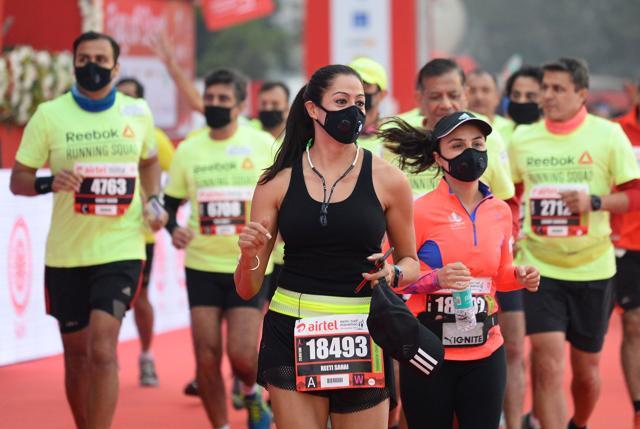
But tight security and traffic restrictions meant few fans, not even the morning joggers, seemed to be in a mood to line-up the course to cheer the runners. That was in contrast to the thousands of enthusiastic runners who made it through blocked traffic to the Jawaharlal Nehru Stadium before dawn, smell of muscle relaxants heavy in the air.
The elite men’s race started sharp at 6.40 am, and the group of 12 runners, mainly from East African nations, bunched close as the wind caused some discomfort.
Over 13 years, the race has grown. Around 35,000 ran this year, 13,000 of them in the half marathon.
Hindustan Times correspondent took a motorcycle ride with an official monitoring the elite race and felt the absence of a lively atmosphere. Only a handful of people were at the point where the route turns into Raj Path. Otherwise, only those in khaki or wearing the official badge could be seen.
The elite runners though set a hot pace and none of the top Indian runners pushed to stay with them, to avoid losing their rhythm. The first 10km was covered fast, in 28:12 secs, though the pace dropped in the second half.
The world marathon champion Geoffrey Kirui had hoped to add the IAAF Gold Label race, but could not match the final burst from Ethiopian winner Berhanu Legese.
Leonard Korir, the Kenyan-born US runner who came third, was relieved the pollution had dropped. “We were scared, but the organisers said they were going to sprinkle water. It was perfect to run.”
The road circuit is rapidly growing in India, but in Delhi there is a dire need to ensure spectators help add to a lively sporting show.


