
 E-Paper



Photos: Diwali near, crop burning continues in Punjab & Haryana
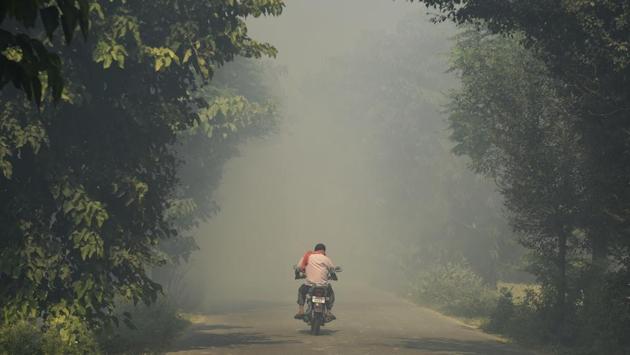
Agricultural stubble — millions of tonnes — is burnt by farmers in northern India every October, triggering heavy pollution in Delhi-NCR before the onset of winter. Last year's memory of the smog is still fresh as Delhi's inches closer to Diwali.
Updated on: Oct 11, 2017 9:28 AM IST

Share via


Copy link

1/7
 View Photos in a new improved layout
Updated on Oct 11, 2017 9:28 AM
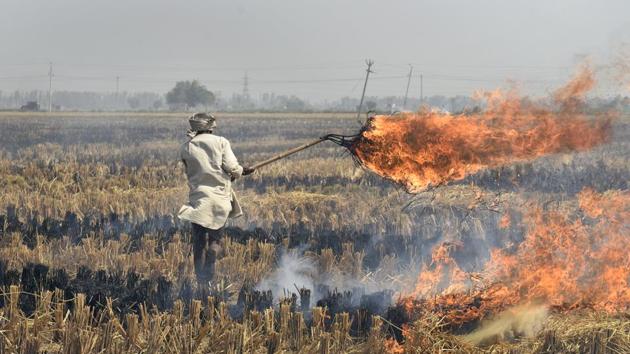
A farmer in Karnal sets crop-residue on fire, leaving behind black ash. Stubble burning has already started on Delhi’s borders and NASA images revealed that red dots — denoting incidents of fire — have started appearing almost everywhere in Haryana and Punjab. (Burhaan Kinu / HT PHOTO)
2/7
 View Photos in a new improved layout
Updated on Oct 11, 2017 9:28 AM
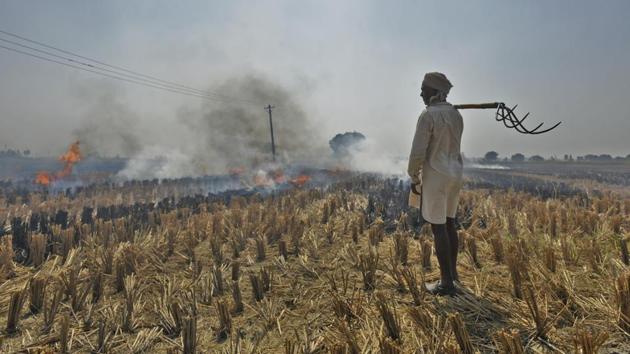
Winter’s coming and Delhi’s annual nightmare is already taking shape beyond its borders as cases of crop burning are being reported from Haryana and officials fear the number will rise drastically in the coming days. This, in turn, will trigger heavy pollution in the national capital region. (Burhaan Kinu / HT PHOTO)
3/7
 View Photos in a new improved layout
Updated on Oct 11, 2017 9:28 AM
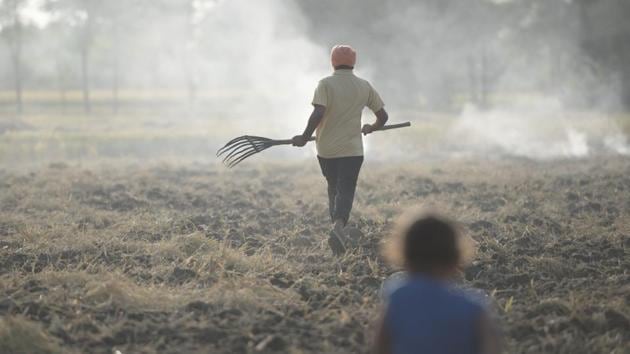
Stubble burning is a deliberate setting fire of the straw stubble that is residual after the harvesting of wheat and other grains. (Sanchit Khanna / HT PHOTO)
4/7
 View Photos in a new improved layout
Updated on Oct 11, 2017 9:28 AM
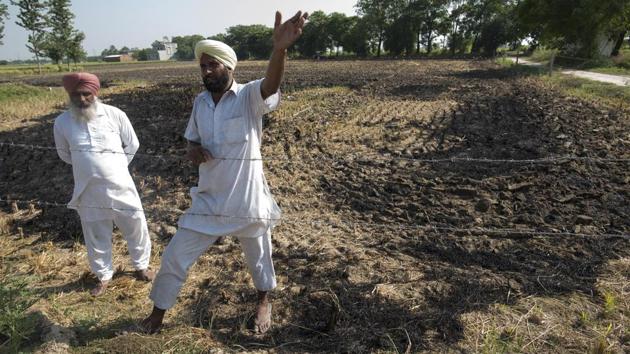
Darshan Singh, a farmer from Bandna Village talks about agricultural stubble processing. Farmers set crop residue afire mainly because of cost concerns and the short gap between summer and winter crops. (Sanchit Khanna/HT PHOTO)
5/7
 View Photos in a new improved layout
Updated on Oct 11, 2017 9:28 AM
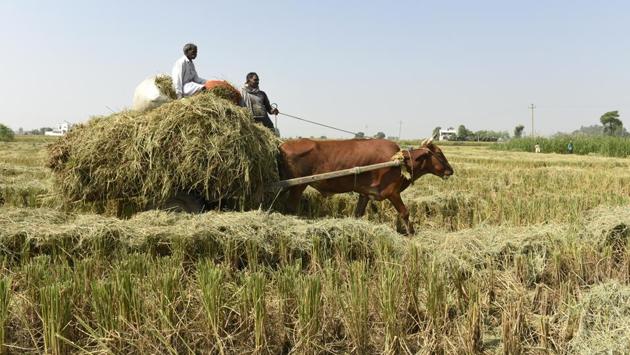
On this farm in Karnal, a farmer claimed that he doesn’t burn crops but feeds it to his cattle mainly because of the government crackdown on stubble burning and how it affects the environment. (Burhaan Kinu / HT PHOTO)
6/7
 View Photos in a new improved layout
Updated on Oct 11, 2017 9:28 AM
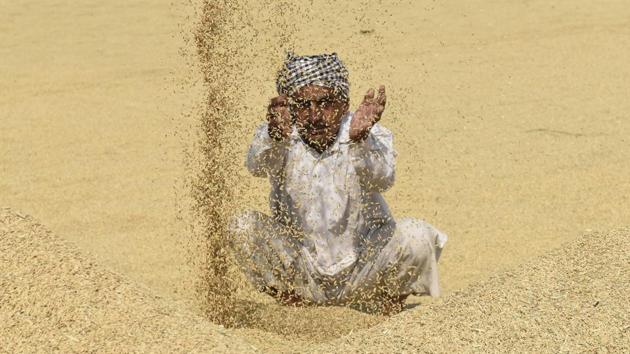
Paddy crop being sorted after harvesting in Karnal, Haryana. A study claims that paddy straw contains around 39 kg of nitrogen, six kg of phosphorus, 140 kg of potassium and around 11 kg of sulphur- lot of which is lost when burnt. (Burhaan Kinu / HT PHOTO)
7/7
 View Photos in a new improved layout
Updated on Oct 11, 2017 9:28 AM


