
 E-Paper



Photos: Spanish photographer José Suárez’s largest show opens in New Delhi
In New Delhi, at the Instituto Cervantes, the largest ever retrospective of 20th century Spanish photographer José Suárez is on view. Suárez was an innovative artist, who incorporated the European avant-garde movements in his work. Having lived in exile for more than two decades, he travelled across Latin America, South Africa and Japan before returning to Spain much after the Civil War ended in the late 1950s.
Updated on: Oct 20, 2017 3:15 PM IST

Share via


Copy link

1/11
 View Photos in a new improved layout
Updated on Oct 20, 2017 3:15 PM
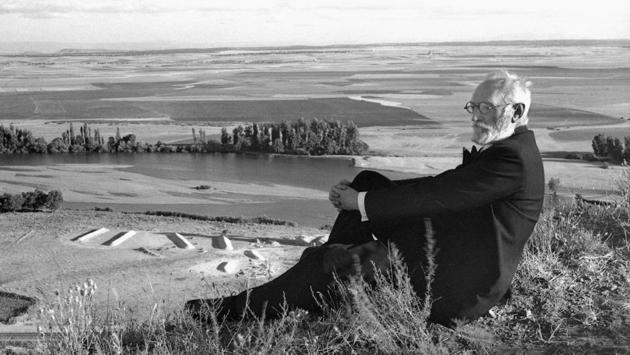
In Salamanca, Spanish photographer José Suárez spent enough time amid Spain’s intellectuals. Pictured here is essayist and philosopher Miguel de Unamuno in 1934, as if almost contemplating the depth of the ocean from the headlands. (José Suárez)
2/11
 View Photos in a new improved layout
Updated on Oct 20, 2017 3:15 PM
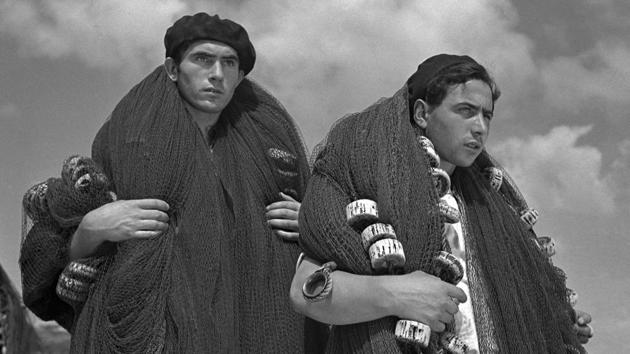
In his series, ‘Mariñeiros ,’ Suárez photographed the fishing community at close, using portraits that marked the human presence. (José Suárez)
3/11
 View Photos in a new improved layout
Updated on Oct 20, 2017 3:15 PM
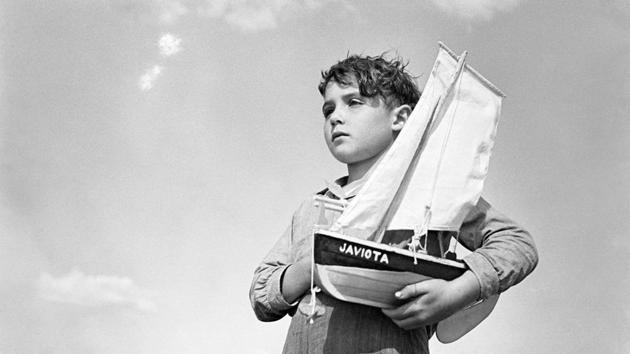
Suárez, in ‘Mariñeiros,’ took a long look at the life and times of the fishing community. He photographed men, women and children, observing, ‘Man is always present in my photos, or at the very least, his trace.’ (José Suárez)
4/11
 View Photos in a new improved layout
Updated on Oct 20, 2017 3:15 PM
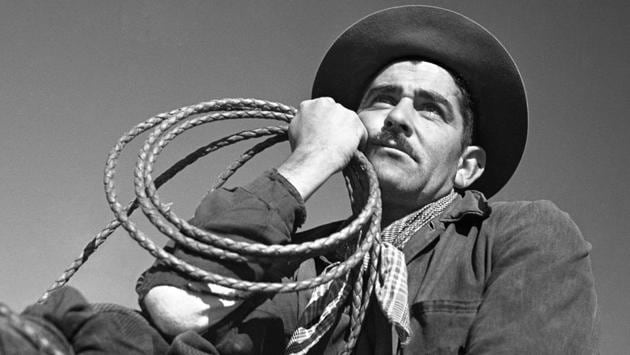
‘La Pampa,’1938,’ where Suárez photographed the world of ‘gauchos’ in Argentina in a manner similar to how he photographed seamen. Careful, cinematic low-angle images stressed on his observed portraits. (José Suárez)
5/11
 View Photos in a new improved layout
Updated on Oct 20, 2017 3:15 PM
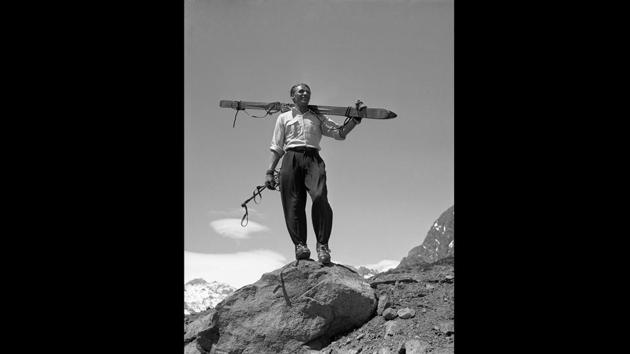
Suárez’s portrait of Émile Allais, a master French skier, who helped shape the sport by developing and popularizing a new kind of skiing in the 1930s — keeping the skis parallel. (José Suárez)
6/11
 View Photos in a new improved layout
Updated on Oct 20, 2017 3:15 PM
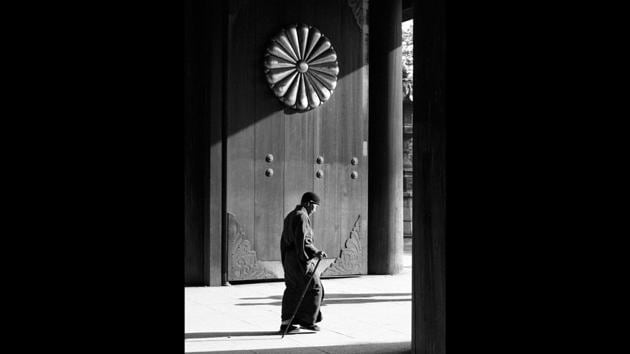
‘Japan,’ 1954. According to Luis Toblo, ‘His (Suárez) journey to Japan and the long time he spent there was, actually, an escape from solitude, to the essence of being.’ (José Suárez)
7/11
 View Photos in a new improved layout
Updated on Oct 20, 2017 3:15 PM
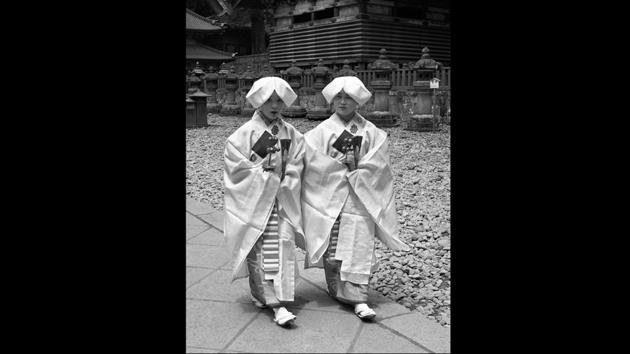
Suárez was a keen observer of Japanese culture. He wrote later, ‘The place where I felt closest to Galicia was in Japan, on the day I saw a little girl running down a path that resembled a corredoira.’ (José Suárez)
8/11
 View Photos in a new improved layout
Updated on Oct 20, 2017 3:15 PM
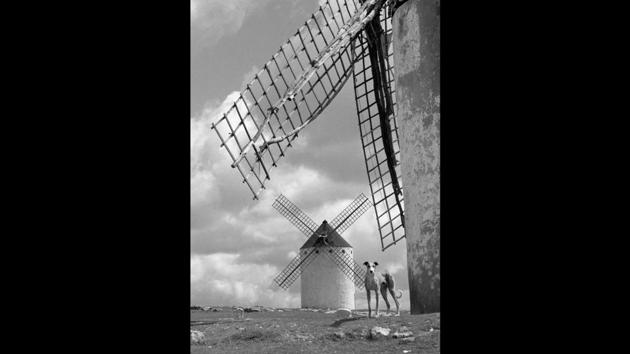
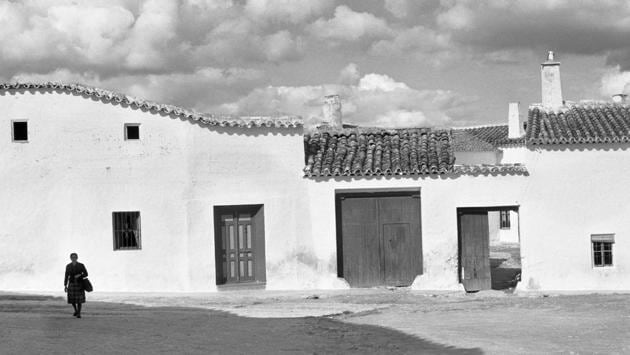
On his return to Spain in the late 1950s, Suárez visited La Mancha, photographing windmills and white buildings in his trademark formalist style, using strong sunlight. (José Suárez)
9/11
 View Photos in a new improved layout
Updated on Oct 20, 2017 3:15 PM
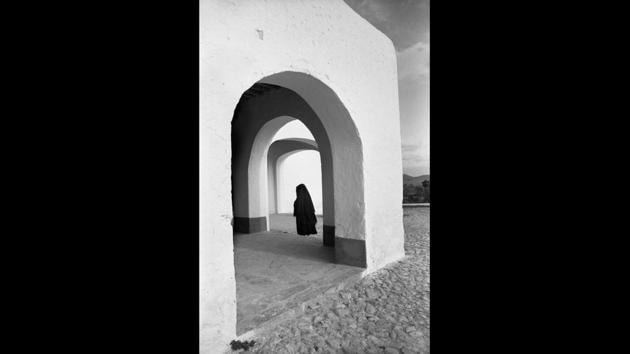
Suárez moved to Ibiza briefly, where he made this photograph, in the 1960s. People wearing black clothes in white empty spaces took on an ephemeral role. (José Suárez)
10/11
 View Photos in a new improved layout
Updated on Oct 20, 2017 3:15 PM
Even though his work was extensive in La Mancha, Suárez wasn’t entirely happy with his move back to Spain. The emptiness in his images symbolized the sadness and desolation he felt about his country on his return. (José Suárez)
11/11
 View Photos in a new improved layout
Updated on Oct 20, 2017 3:15 PM


