
 E-Paper



Photos: ISRO launches its most powerful rocket GSLV Mark III
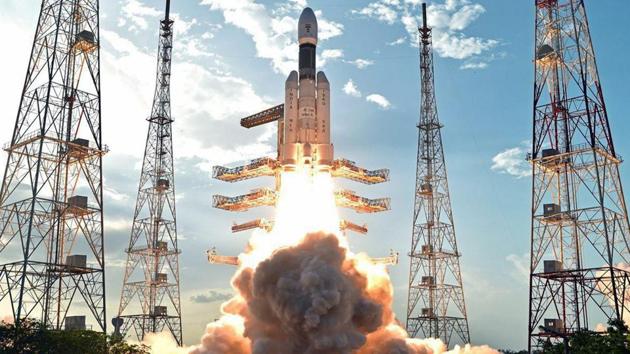
Indian Space Research Organisation (ISRO) launched the country’s heaviest rocket – Geosynchronous Satellite Launch Vehicle-Mark III (GSLV-Mk III) – along with a communications satellite GSAT-19 . GSLV Mark-III is built to lift the heaviest Indian communications satellites to space. It can carry satellites weighing 4 tonnes, double the weight that the current GSLV-Mark-II can lift. (PTI)
Updated on: Jun 05, 2017 10:04 PM IST

Share via


Copy link

1/9
 View Photos in a new improved layout
Updated on Jun 05, 2017 10:04 PM
Indian Space Research Organisation (ISRO) launched the country’s heaviest rocket – Geosynchronous Satellite Launch Vehicle-Mark III (GSLV-Mk III) – along with a communications satellite GSAT-19 . GSLV Mark-III is built to lift the heaviest Indian communications satellites to space. It can carry satellites weighing 4 tonnes, double the weight that the current GSLV-Mark-II can lift. (PTI)
2/9
 View Photos in a new improved layout
Updated on Jun 05, 2017 10:04 PM
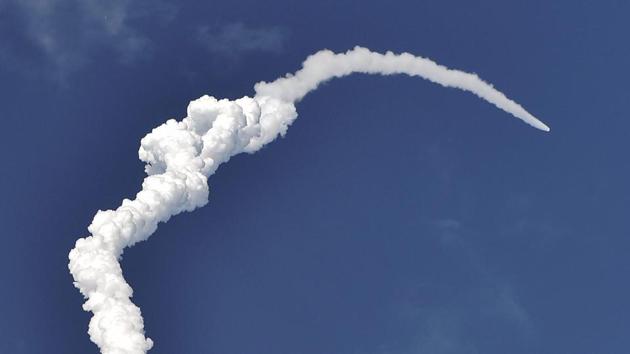
The rocket was successfully launched from the Satish Dhawan Space Centre in Sriharikota in Andhra Pradesh on 5th June. (PTI)
3/9
 View Photos in a new improved layout
Updated on Jun 05, 2017 10:04 PM
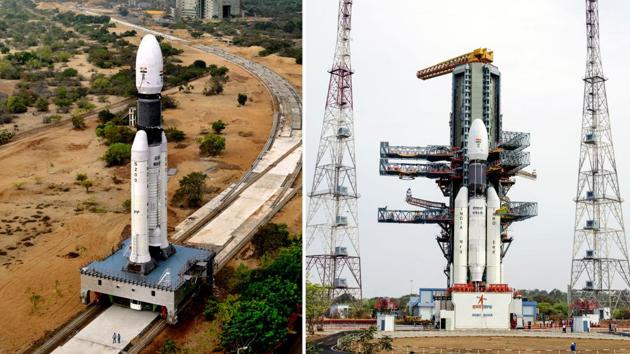
A side view of the fully integrated GSLV-Mark III carrying GSAT-19 at the second launch pad.The new rocket is capable of carrying twice the weight into space than its predecessor. (courtesy-ISRO)
4/9
 View Photos in a new improved layout
Updated on Jun 05, 2017 10:04 PM
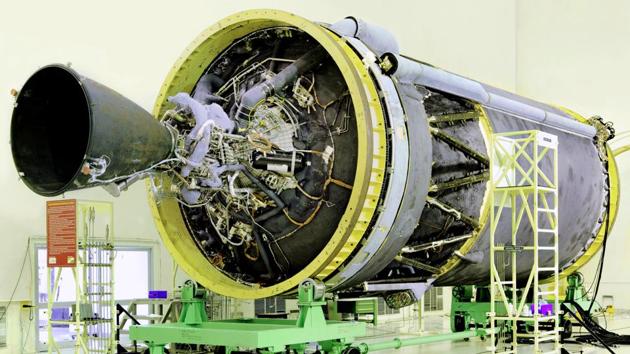
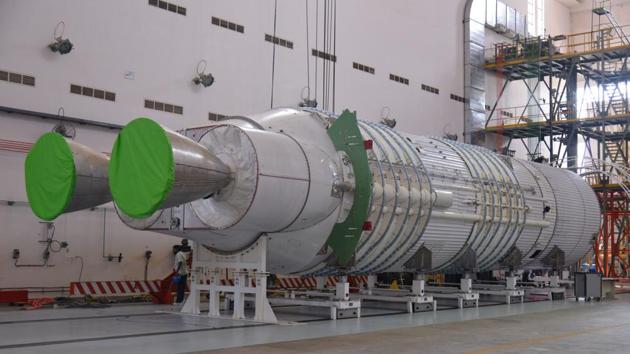
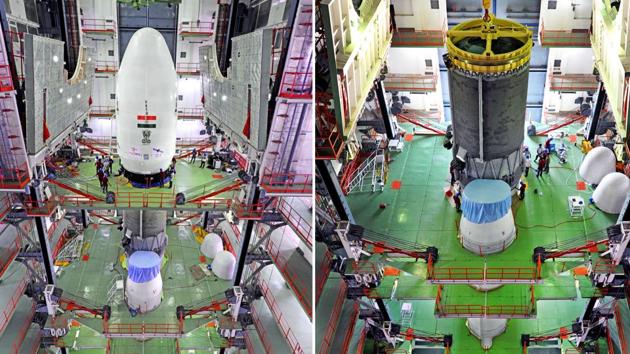
Seen above, the GSLV Mark III rocket at the cyrogenic stage inside a preparation facility. A Cryogenic rocket stage is more efficient and provides more thrust for every kilogram of propellant. (courtesy-ISRO)
5/9
 View Photos in a new improved layout
Updated on Jun 05, 2017 10:04 PM
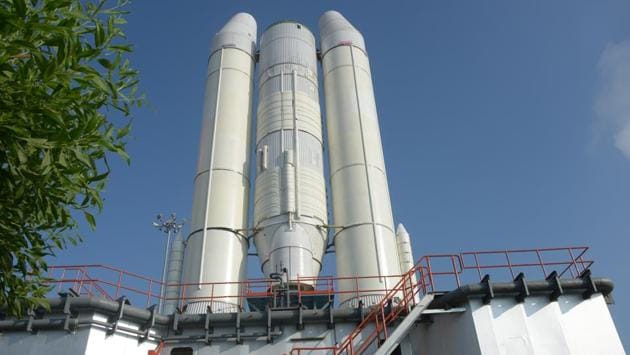
It took more than 15 years for Indian scientists to master the cyrogenic technology which relies on liquid oxygen and liquid hydrogen. (courtesy-ISRO)
6/9
 View Photos in a new improved layout
Updated on Jun 05, 2017 10:04 PM
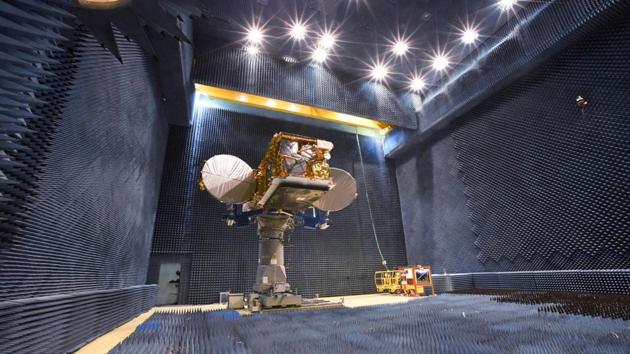
The rocket will also employ several indigenous technologies including battery and power distribution systems. (courtesy-ISRO)
7/9
 View Photos in a new improved layout
Updated on Jun 05, 2017 10:04 PM
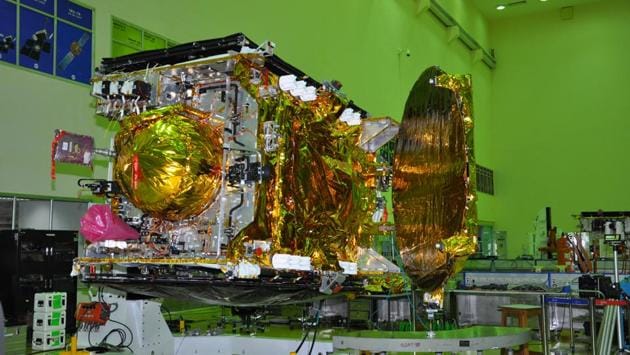
The GSLV MARK III rocket undergoing tests inside a compact facility. ISRO set a world record in February for successfully placing 104 satellites in orbit. (courtesy-ISRO)
8/9
 View Photos in a new improved layout
Updated on Jun 05, 2017 10:04 PM
The new rocket is estimated to have cost around Rs 300 crores but could also result in equally high savings in the future. (courtesy-ISRO)
9/9
 View Photos in a new improved layout
Updated on Jun 05, 2017 10:04 PM


