
 E-Paper



Photos: In the northeast, small-scale markets spell autonomy for women
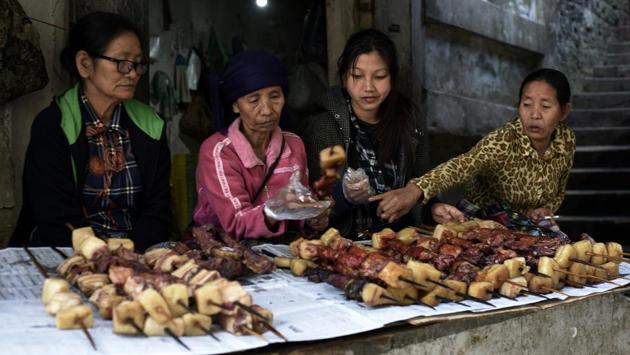
In small scale markets and at most stores across the northeast, it’s not the men but the women who’re running the show. These marketplaces provide the larger population access to local produce, helping the economy and at the same time are a socio-economic outlet for the women themselves to reach economic self sufficiency and address social issues through collective strength.
Updated on: Mar 08, 2018 5:43 PM IST

Share via


Copy link

1/10
 View Photos in a new improved layout
Updated on Mar 08, 2018 5:43 PM
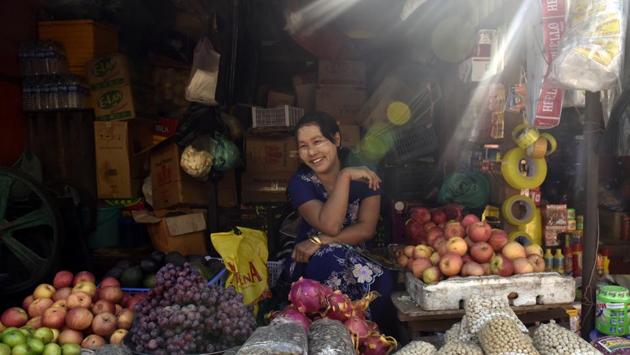
Across India’s Northeast, women are often seen in charge of storefronts, running roadside kiosks or even complete markets by themselves. Led by enterprise, women like this shopkeeper near the India-Myanmar border in Manipur may not be big entrepreneurs but are certainly protagonists not just in the household but also segments of economy. (Vipin Kumar / HT Photo)
2/10
 View Photos in a new improved layout
Updated on Mar 08, 2018 5:43 PM
In local markets like here at the Moreh friendship border or Imphal’s Ima Keithel (Mother’s Market) the role of a trader, traditionally considered male, is inverted through the region’s matriarchal character and also the motivation of gaining the men’s cooperation in the social sphere by collective strength. (Vipin Kumar / HT Photo)
3/10
 View Photos in a new improved layout
Updated on Mar 08, 2018 5:43 PM
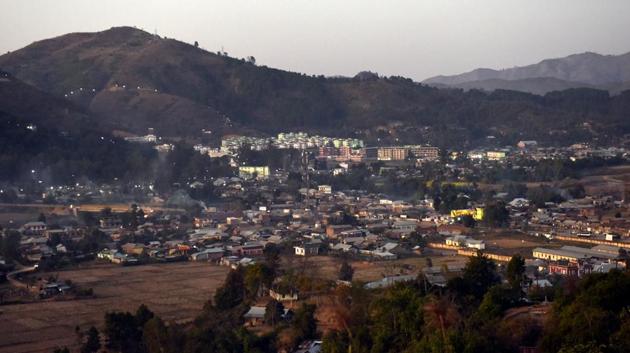
The Northeast’s traditionally tribal societies viewed regeneration and sexuality as totem and not taboo. This acknowledgment of the female is seen in women’s roles as mobilisers of protests and peace builders as Meira Paibi in Manipur or Naga Mothers’ Association in Nagaland for instance. (Vipin Kumar / HT Photo)
4/10
 View Photos in a new improved layout
Updated on Mar 08, 2018 5:43 PM
A fishmonger negotiates a transaction with a customer. These small scale vendors and markets cater to the local area and provide an immediate outlet to the area’s producers. (Vipin Kumar / HT Photo)
5/10
 View Photos in a new improved layout
Updated on Mar 08, 2018 5:43 PM
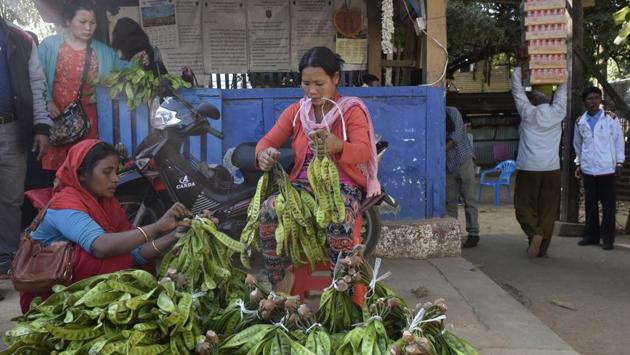
On the other hand, for the womenfolk running their own stores and businesses without male interference builds economic self sufficiency. (Vipin Kumar / HT Photo)
6/10
 View Photos in a new improved layout
Updated on Mar 08, 2018 5:43 PM
For the more entrepreneurial though, there is also an avenue for selling processed goods and traditional weaves which would otherwise be produced for self consumption. (Vipin Kumar / HT Photo)
7/10
 View Photos in a new improved layout
Updated on Mar 08, 2018 5:43 PM
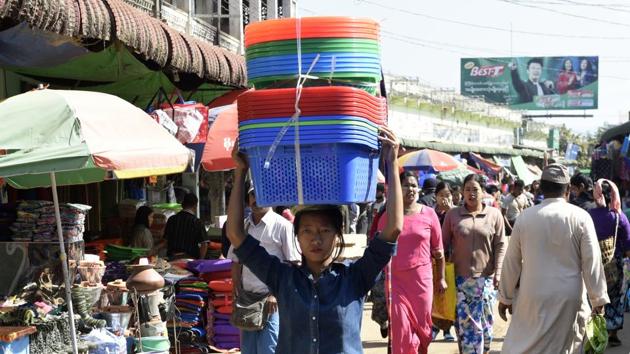
Apart from bringing a secondary or at times primary income to the home, these marketplaces also engage women in an extension of their traditional roles, and cultivate a larger skill set. (Vipin Kumar / HT Photo)
8/10
 View Photos in a new improved layout
Updated on Mar 08, 2018 5:43 PM
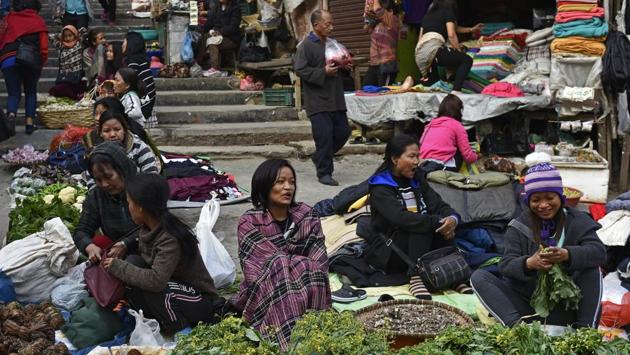
For the women the marketplaces also translate into a recreation point beyond the household and a meeting point where they can address social and economic issues. (Samir Jana / HT Photo)
9/10
 View Photos in a new improved layout
Updated on Mar 08, 2018 5:43 PM
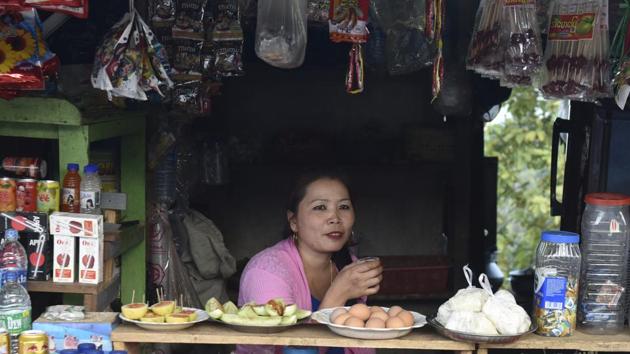
In their various forms the markets can have unwritten rules, act as a credit service between women and provide solidarity through unions. They also generate employment in roles ranging from producer to supplier, middleman, seller and buyer with women at times filling all of them. (Vipin Kumar / HT Photo)
10/10
 View Photos in a new improved layout
Updated on Mar 08, 2018 5:43 PM


