
 E-Paper



Photos: An expedition into Kotla’s past
As one travels along the NH-248 from Gurugram to Nuh, multistoried buildings make way for a yellow spread of mustard fields that flank both sides of the road leading up to Kotla village. The village played host to many rulers, who left an imprint on the history of Mewat and remnants of their legacy can still be found in the various structures— a mosque, tomb, and a fort— that bear testimony to the village’s rich history.
Updated on: Jan 27, 2020 3:34 PM IST


Share via


Copy link

1/8
 View Photos in a new improved layout
Updated on Jan 27, 2020 3:34 PM
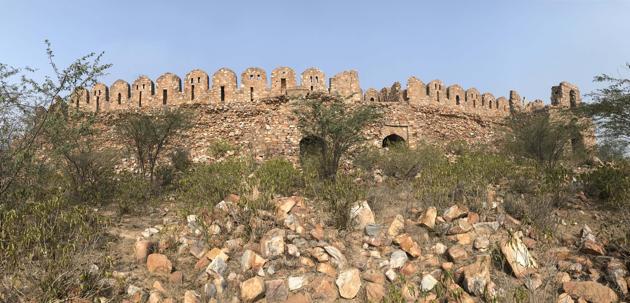
A view of Kotla village fort in Nuh district. Located more than 60 kilometres from Gurugram, Kotla in Nuh is a historic village and served as the capital of Mewat several centuries ago, as per historical accounts. (Parveen Kumar / HT Photo)
2/8
 View Photos in a new improved layout
Updated on Jan 27, 2020 3:34 PM
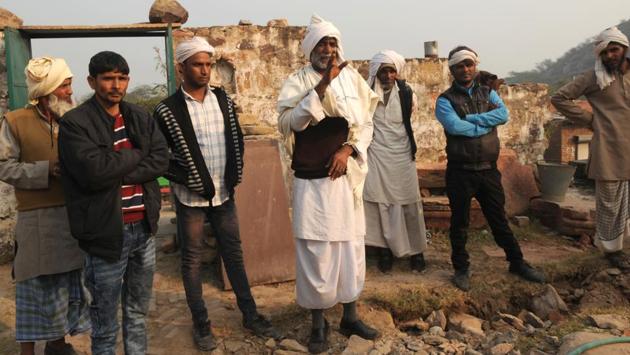
The village played host to many rulers, who left an indelible imprint on the history of Mewat and remnants of their legacy can still be found in the various historical structures— a mosque, tomb, and a fort— that bear testimony to the village’s rich history. (Parveen Kumar / HT Photo)
3/8
 View Photos in a new improved layout
Updated on Jan 27, 2020 3:34 PM
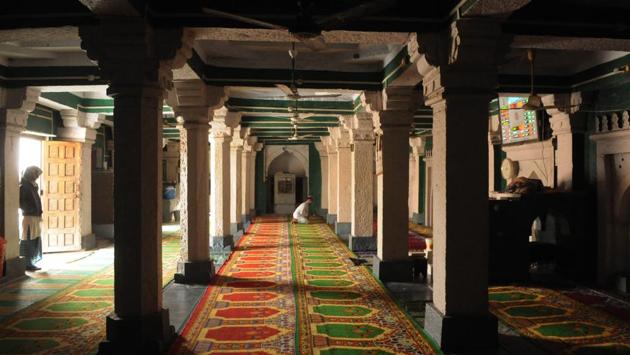
Inside view of the Kotla Mosque at Kotla village. As per state records, the mosque and tomb date back to 1392-1400 CE. A textual reference to the same was found in the Gurgaon district gazette. “Over the ruined gateway is an inscription, giving the date of its building as AD 1392-1400. The mosque is raised on a high platform and is strikingly situated in a hollow of the hills, which, at this point, are crowned by the ruins of an ancient fortress,” states the gazette. (Parveen Kumar / HT Photo)
4/8
 View Photos in a new improved layout
Updated on Jan 27, 2020 3:34 PM
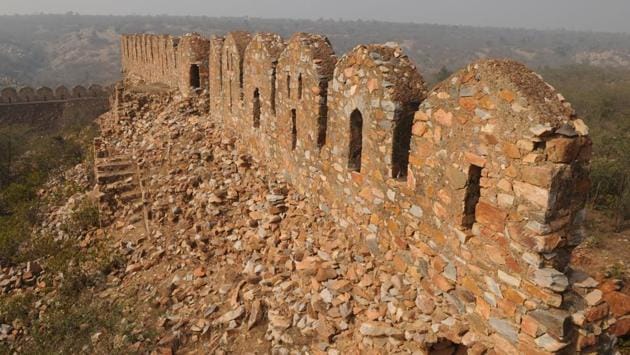
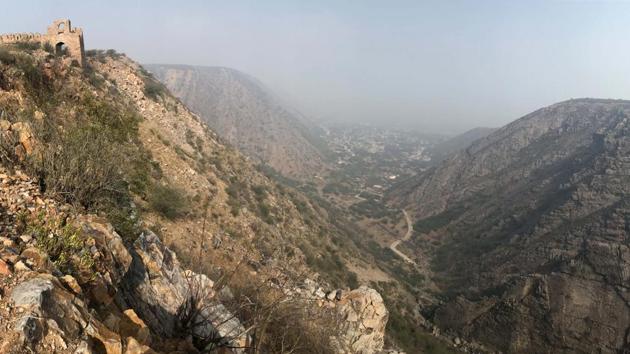
A view of the Kotla village from atop the hill. Overlooking the village, the fort can only be accessed by climbing up the hill and doing so is no less of an adventure. Traversing the uneven trail leading up to fort requires involves treading on a path made of massive stones, jumping over mesquite tress, and tiptoeing through thorny plants. (Parveen Kumar / HT Photo)
5/8
 View Photos in a new improved layout
Updated on Jan 27, 2020 3:34 PM
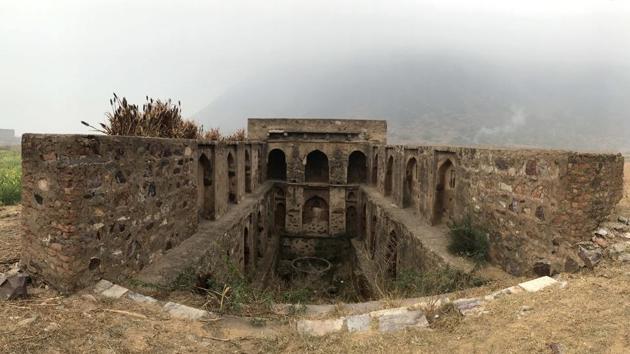
As per government records, the fort dates back to the 15th century. Historians say that Bahadur Nahar got the fort constructed during the reign of Feroze Shah Tughlaq. The ramparts of the fort are partly in ruins, enclosures are open to the air, while huge trails of stones form a boundary all across. (Parveen Kumar / HT Photo)
6/8
 View Photos in a new improved layout
Updated on Jan 27, 2020 3:34 PM
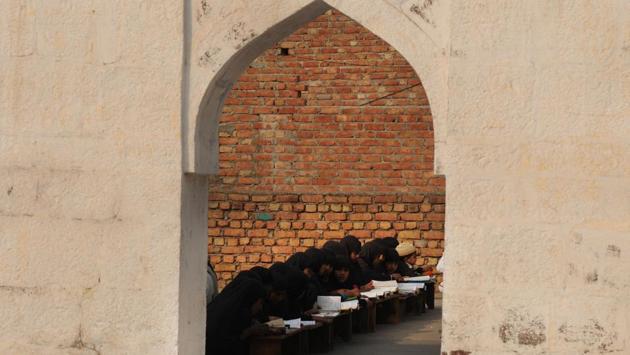
Girls study at a madrasa being run at the Kotla mosque. The mosque is made of red sandstone and grey quartzite which have been skilfully combined together. It contains one dome, a number of alcoves both on the outside and inside and several attached minarets at the corners. While the mosque demonstrates its original colours, on the outside, the inner portion of the mosque has been undergone massive changes over the years. (Parveen Kumar / HT Photo)
7/8
 View Photos in a new improved layout
Updated on Jan 27, 2020 3:34 PM
The stream of water emanates from the same hill atop which rests the Kotla fort. “People in the village purchase water from tankers. By washing our clothes here, we are able to save money. During monsoon, the quantity of water that comes from the stream increases and people from other villages come here too,” said Sumaiya, a resident. (Parveen Kumar / HT Photo)
8/8
 View Photos in a new improved layout
Updated on Jan 27, 2020 3:34 PM


