
 E-Paper



Photos: Beautiful migratory birds flock at the Dhanauri wetland
The Dhanauri wetland in Greater Noida is a particular attraction for its population of Sarus crane, the state bird of Uttar Pradesh among other migratory birds. While thousands of migratory birds have already made the capital’s water bodies their temporary homes till summer, more are expected to arrive as the mercury dips further.
Updated on: Dec 20, 2017 6:28 PM IST


Share via


Copy link

1/10
 View Photos in a new improved layout
Updated on Dec 20, 2017 6:28 PM
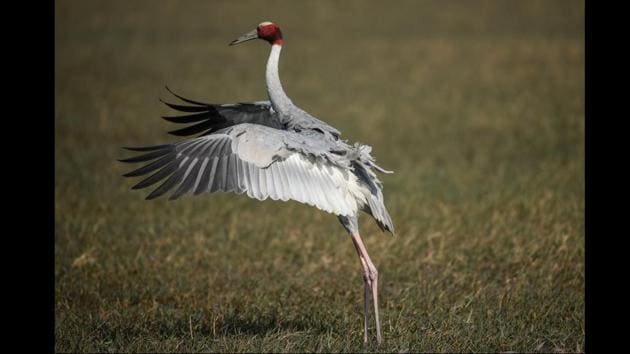
Seen above, is the Sarus crane --the state bird of Uttar Pradesh. It’s the time of year again when winged guests from colder lands flock to different parts of India in search of food and nesting spots. The Dhanauri wetland located in Greater Noida, around 60 kms from Delhi is home to more than 150 species of birds. (Burhaan Kinu / HT Photo)
2/10
 View Photos in a new improved layout
Updated on Dec 20, 2017 6:28 PM
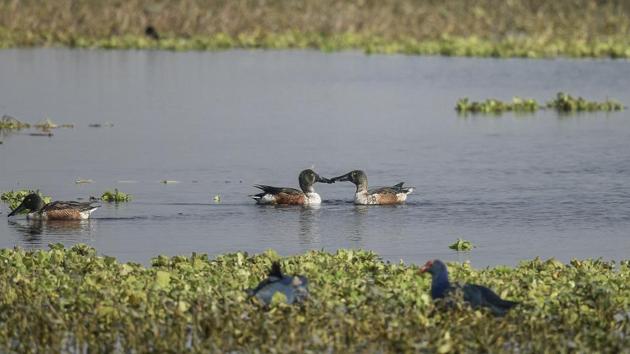
Northern shovelers seen in Dhanauri wetland, Greater Noida. While they breed generally in Europe, Asia and across most of North America, these common and widespread ducks spend their winters in southern Europe, Africa, the Indian subcontinent and South-East Asia. (Burhaan Kinu / HT Photo)
3/10
 View Photos in a new improved layout
Updated on Dec 20, 2017 6:28 PM
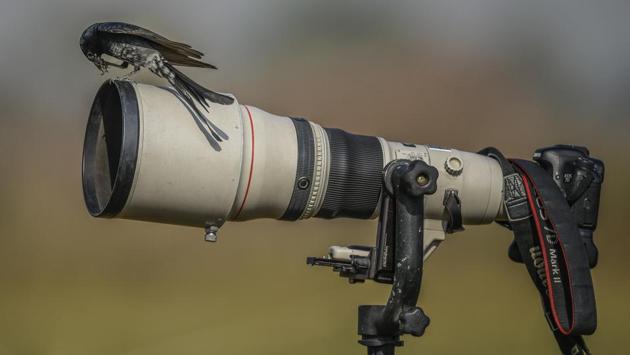
Enjoying a moment on our photographer’s camera, the Black drongo is a resident breeder found in Iran, India, Sri Lanka, China and Indonesia. (Burhaan Kinu / HT Photo)
4/10
 View Photos in a new improved layout
Updated on Dec 20, 2017 6:28 PM
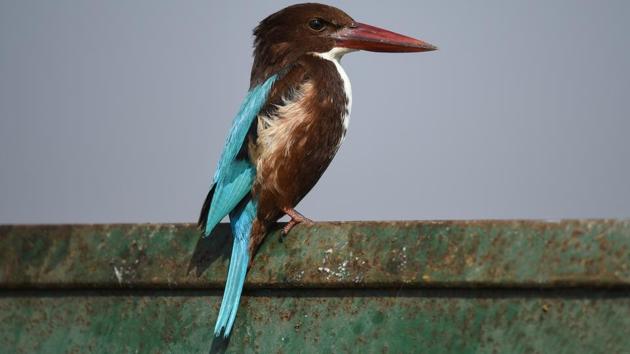
The white throated Kingfisher ,distributed throughout Asia is mostly a resident species, while some of its population travels short distances in search of prey. (Burhaan Kinu / HT Photo)
5/10
 View Photos in a new improved layout
Updated on Dec 20, 2017 6:28 PM
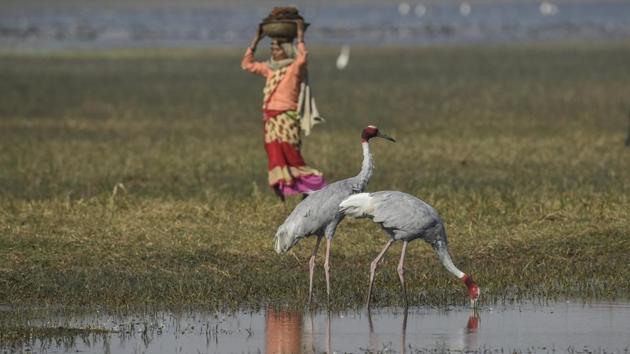
According to environmentalists, the population of the Sarus crane --known for its trumpet and height, has been under a steady decline due to the boom in the housing sector. (Burhaan Kinu / HT Photo)
6/10
 View Photos in a new improved layout
Updated on Dec 20, 2017 6:28 PM
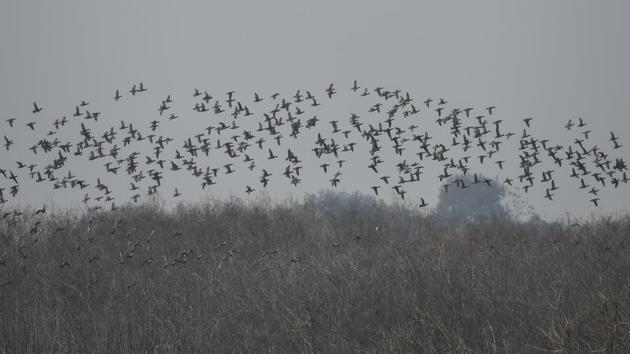
A flock of Waterfowls seen above the Dhanauri wetland in Greater Noida. Some migratory birds spotted in the past at this wetland include the Northern shoveler, European roller, Bristled grassbird, Common teal and the Northern pintail. (Burhaan Kinu / HT Photo)
7/10
 View Photos in a new improved layout
Updated on Dec 20, 2017 6:28 PM
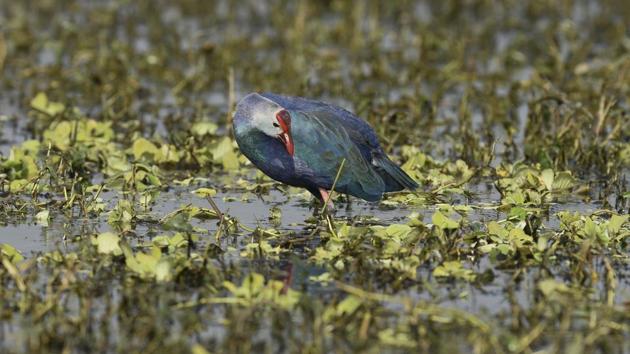
The Purple swamhen, inspite of its bulky weight, is an accomplished flier and swimmer for a bird that doesn’t have webbed feet. It is mainly found in Australia, New Guinea and New Zealand. (Burhaan Kinu / HT Photo)
8/10
 View Photos in a new improved layout
Updated on Dec 20, 2017 6:28 PM
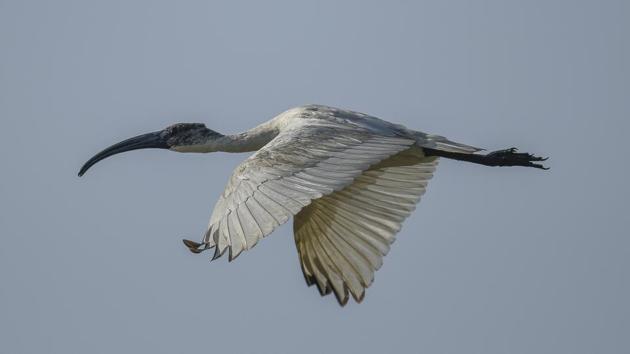
The Black-headed Ibis spotted near the Dhanauri wetland. A resident breeder of northern India, Bangladesh, Nepal and Sri Lanka, it usually flocks near marshy wetlands. (Burhaan Kinu / HT Photo)
9/10
 View Photos in a new improved layout
Updated on Dec 20, 2017 6:28 PM
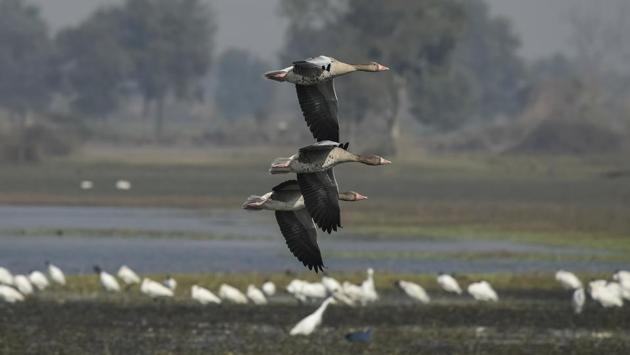
Graylag geese in flight, as the Black-headed Ibis and Eurasian Spoonbills perch along the marshy wetlands of Dhanauri. (Burhaan Kinu / HT Photo)
10/10
 View Photos in a new improved layout
Updated on Dec 20, 2017 6:28 PM


