
 E-Paper



Photos: Beleaguered DR Congo rainforest attacked on all sides
In the Democratic Republic of Congo, millions of hectares of rainforest is under severe threat from a perfect storm of mismanagement and corruption. On the hillsides around the capital, there are scarcely any trees left. The World Wide Fund for Nature (WWF) is trying to minimise the impact of charcoal burning by introducing "eco makala" ovens that burn the fuel more efficiently and so use less wood. Fearing the disappearance of forest by the year 2100, President Felix Tshisekedi is also trying to boost electricity across the country to reduce demand for wood-based fuel.
Updated on: Dec 11, 2019 1:29 PM IST


Share via


Copy link

1/9
 View Photos in a new improved layout
Updated on Dec 11, 2019 1:29 PM
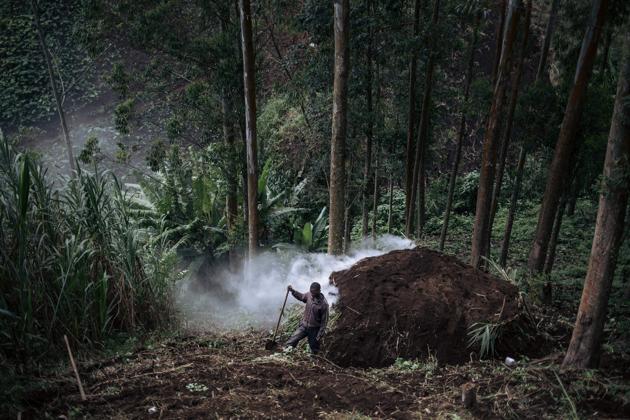
Lush rainforest covers millions of hectares of the Democratic Republic of Congo, a central part of Earth’s natural defence against global warming -- but it is under severe threat from a perfect storm of mismanagement and corruption. An array of global and local NGOs are in a tense fight to save the rainforest, which lost an area twice the size of Luxembourg last year alone, according to Global Forest Watch. (ALEXIS HUGUET / AFP)
2/9
 View Photos in a new improved layout
Updated on Dec 11, 2019 1:29 PM
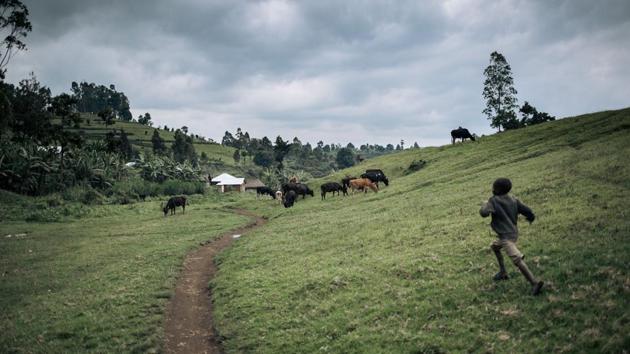
A child runs to a cow herd in Burungu, near a eucalyptus plantation. “There are lawmakers and soldiers involved. They don’t pay taxes -- it’s unfair competition,” says Felicien Liofo, head of a wood craftsmen’s association. Local police say soldiers simply rip apart the fences around the forest and threaten to shoot anyone who tries to stop them. (ALEXIS HUGUET / AFP)
3/9
 View Photos in a new improved layout
Updated on Dec 11, 2019 1:29 PM
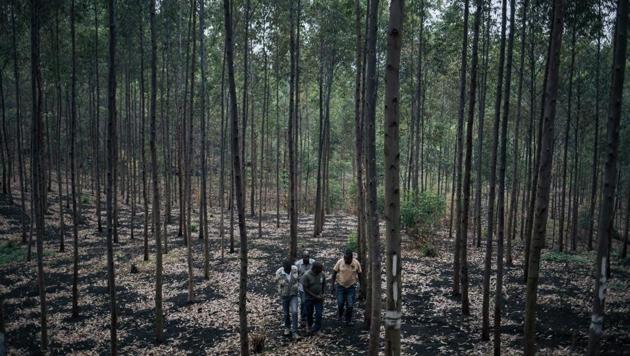
WWF (World Wildlife Fund) Ecomakala project managers visit a eucalyptus plantation partly intended to produce charcoal in northeastern Democratic Republic of Congo. The problems run right through DR Congo society -- from the poor who rely on charcoal for fuel in a country with meagre supplies of other power, to the senior officials who profit from illegal logging. (ALEXIS HUGUET / AFP)
4/9
 View Photos in a new improved layout
Updated on Dec 11, 2019 1:29 PM
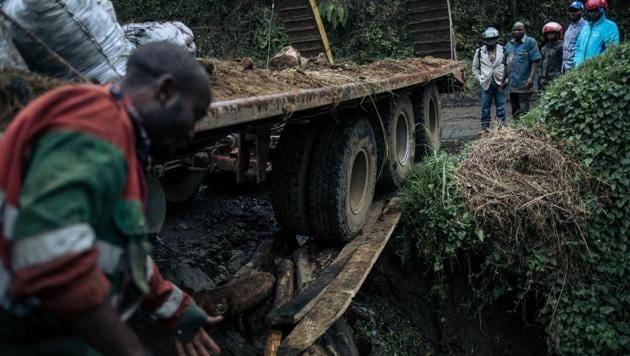
Crew members of a transport truck attempt to pull their vehicle on the road from Goma to Kitshanga. The government faces a daunting challenge to protect the rainforest. Its 2002 forestry code imposed a moratorium on new concessions and regulated the number of trees that could be chopped down under existing permits, but officials complain of a lack of resources. Felicien Malu, a provincial environment coordinator, has roughly 1,200 workers to cover a province twice the size of Portugal. (ALEXIS HUGUET / AFP)
5/9
 View Photos in a new improved layout
Updated on Dec 11, 2019 1:29 PM
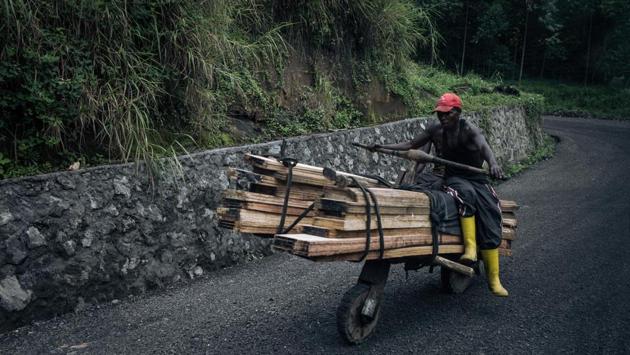
Two young people carry wooden planks by chukudu (local means of transport) to Sake. Greenpeace Africa and a coalition of eight NGOs from DRC and neighbouring Congo-Brazzaville have demanded a halt to all industrial activities in the millions of hectares of peatland shared by the two countries. The ancient wetlands store huge amounts of carbon, but companies are involved in oil exploration, logging and industrial agriculture in the area. (ALEXIS HUGUET / AFP)
6/9
 View Photos in a new improved layout
Updated on Dec 11, 2019 1:29 PM
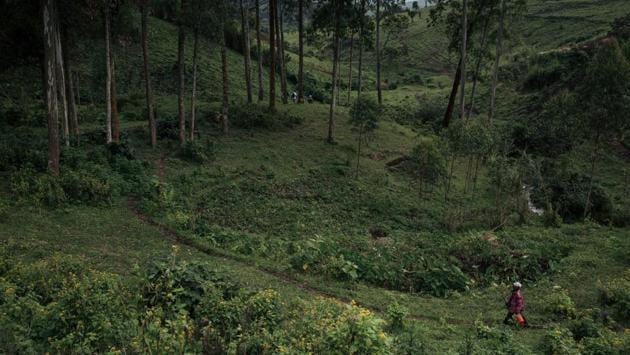
Global Witness investigated the illegal logging trade and earlier this year accused a general in the Congolese army of illegally reselling logging permits. However, DRC remains impoverished and electricity is a rare luxury, meaning that most Congolese still rely on charcoal as their main fuel supply. Making charcoal involves chopping down trees and slow-burning the wood in covered ovens -- all of which comes at a steep price for the environment. (ALEXIS HUGUET / AFP)
7/9
 View Photos in a new improved layout
Updated on Dec 11, 2019 1:29 PM
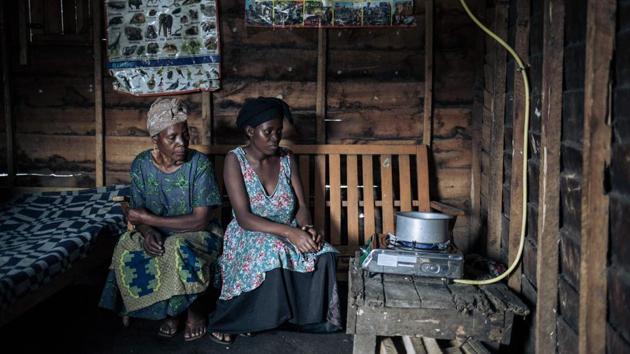
The trade in charcoal -- known locally as makala -- is worth millions of dollars and it is attracting armed groups to the Goma area, threatening Virunga natural park, a sanctuary for endangered mountain gorillas. More than 2,000 kilometres (1,200 miles) to the west, the reliance on charcoal in Kinshasa is also causing severe problems. Kinshasa residents consume five million tonnes of wood a year, according to French research group Cirad, and increasing urbanisation is just raising the pressure on the forests. (ALEXIS HUGUET / AFP)
8/9
 View Photos in a new improved layout
Updated on Dec 11, 2019 1:29 PM
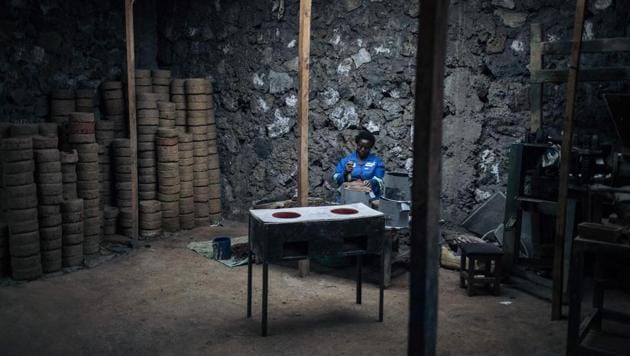
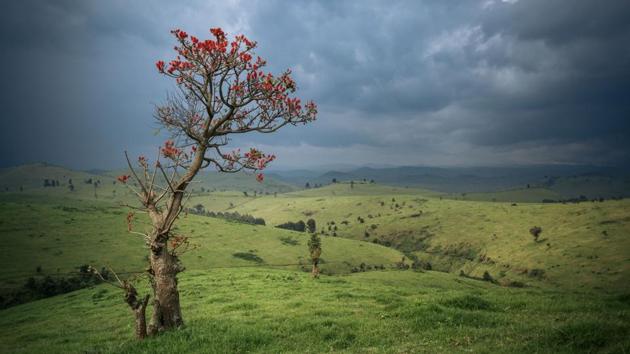
A worker seen at Goma Stove manufactures improved charcoal stoves in Goma. On the hillsides around the capital, there are scarcely any trees left. NGOs and the government are once again trying to respond. The World Wide Fund for Nature (WWF) is trying to minimise the impact of charcoal burning by introducing “eco makala” ovens that burn the fuel more efficiently and so use less wood. (ALEXIS HUGUET / AFP)
9/9
 View Photos in a new improved layout
Updated on Dec 11, 2019 1:29 PM


