
 E-Paper



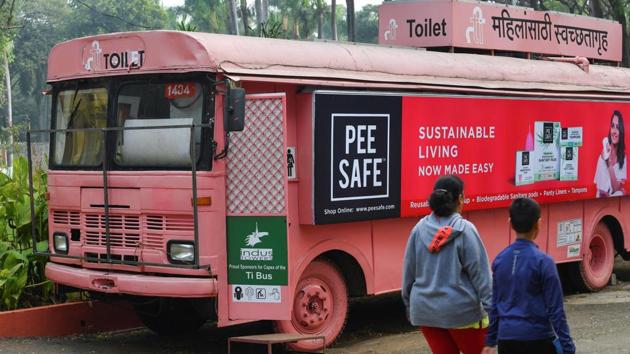
Photos: Buses turned into mobile washrooms for women in Pune
State governments have struggled to maintain public toilets, which are often poorly lit, unmanned, and ill-maintained. These too are mostly used by men, with women -- fearing for their safety -- going long hours without using such facilities. For a relatively affordable five-rupee-fee, any woman can board one of several women-only "washroom-on-wheels" dotting the city of Pune, where a pair of entrepreneurs has transformed run-down buses into hop-on toilets, allowing women to safely and hygienically use the facilities, breastfeed babies or purchase sanitary napkins and diapers.
Updated on: Feb 22, 2020 11:37 AM IST


Share via


Copy link

1/7
 View Photos in a new improved layout
Updated on Feb 22, 2020 11:37 AM
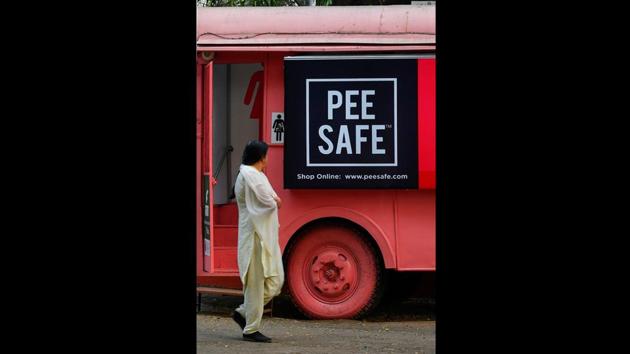
Like many Indian women, college student Suvarna Dongare dreads getting caught short when she is out and about, with hygienic public toilets in short supply across the country. So she was pleasantly surprised to find a pink women-only “washroom-on-wheels” in a public park -- one of several facilities dotting the city of Pune, where a pair of entrepreneurs has transformed run-down buses into hop-on toilets. (Indranil Mukherjee / AFP)
2/7
 View Photos in a new improved layout
Updated on Feb 22, 2020 11:37 AM
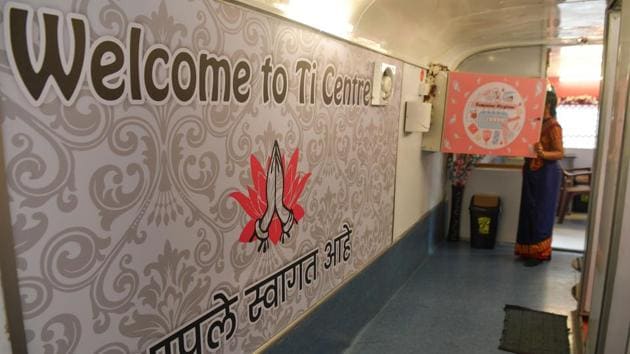
An attendant checks the supply of sanitary pads inside a mobile toilet. “I came to the park and wanted to visit the bathroom urgently. These toilets are very comfortable and felt safe,” 18-year-old Dongare told AFP. For a relatively affordable five-rupee-fee, any woman can board the toilet to use the facilities, breastfeed babies or purchase sanitary napkins and diapers. (Indranil Mukherjee / AFP)
3/7
 View Photos in a new improved layout
Updated on Feb 22, 2020 11:37 AM
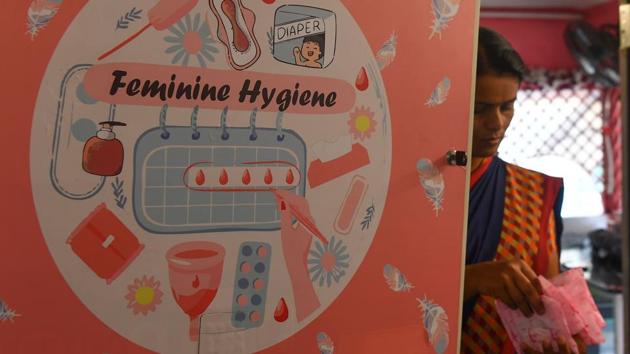
Launched in 2016 by entrepreneurs Ulka Sadalkar and Rajeev Kher, the “Ti Toilet” project -- “ti” means “her” in the Marathi language -- has 12 mobile washrooms, on average used by over 200 women daily. The buses are powered by solar panels. Sadalkar said the pair, who run a portable sanitation business, came up with the idea as part of a series of projects focused on improving hygiene in the city. (Indranil Mukherjee / AFP)
4/7
 View Photos in a new improved layout
Updated on Feb 22, 2020 11:37 AM
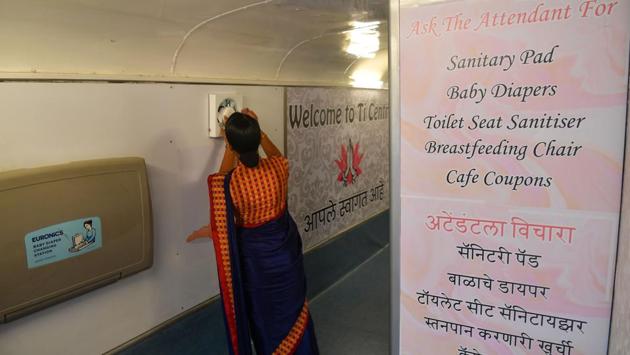
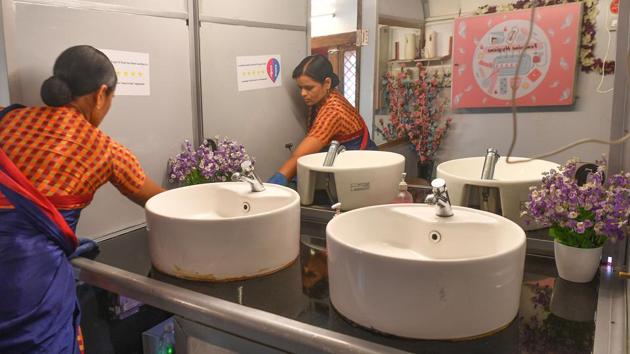
An attendant wiping the interior of a mobile toilet. We believe women deserve access to clean and safe washrooms and it is their basic right,” she told AFP, adding that the duo wanted to open 1,000 toilets across India in the next five years. “We focused a lot on aesthetics in refurbishing these buses and provided clean toilets, television sets, temperature monitors with an attendant in tow.” (Indranil Mukherjee / AFP)
5/7
 View Photos in a new improved layout
Updated on Feb 22, 2020 11:37 AM
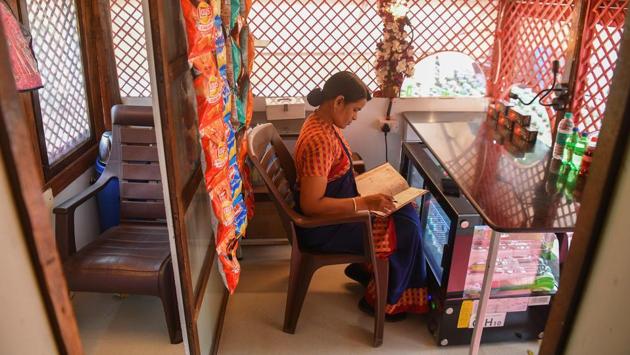
An attendant takes stock of supplies. Manisha Adhav, 40, who operates one of the toilets, told AFP she felt “proud working here as we are doing something for women”. “Women bless me ... as they come here from far away areas as well because there aren’t enough public washrooms around.” (Indranil Mukherjee / AFP)
6/7
 View Photos in a new improved layout
Updated on Feb 22, 2020 11:37 AM
An attendant cleaning the interior of a mobile toilet on a bus at a public park. Even as India went on a building spree constructing millions of toilets as part of the “Clean India” programme, experts said the lack of water or electricity meant many remain unused. (Indranil Mukherjee / AFP)
7/7
 View Photos in a new improved layout
Updated on Feb 22, 2020 11:37 AM


