
 E-Paper



Photos: Delhi’s second sero survey suggests 3 in 10 have antibodies
Results of Delhi’s second serological survey, implemented across the 11 districts of the national capital, shows that 29.1% of the population has now developed antibodies for SARS-CoV-2. The previous serological survey done from June 27 to July 10 had used 21,387 samples and found that around 23% of the people surveyed had an exposure to the novel coronavirus. There has been an increase of 6 to 50% in prevalence of antibodies among districts compared to the previous round the outbreak may be less deadly than previously feared.
Updated on: Aug 22, 2020 6:01 PM IST


Share via


Copy link

1/8
 View Photos in a new improved layout
Updated on Aug 22, 2020 6:01 PM
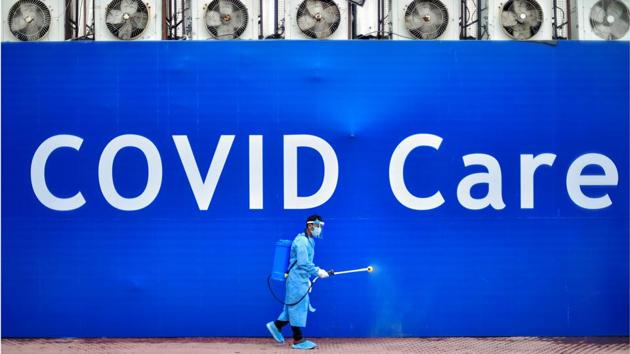
A health worker sprays disinfectant as a precautionary measure at Sardar Patel Covid Care Centre in New Delhi on August 17. Almost 30% of 15,000 people surveyed in the Capital had antibodies for the Sars-Cov-2 virus, according to the second serological survey that suggests approximately 1.2 million people more may have silently contracted, and recovered, from Covid-19 between July and early August. (Ravi Choudhary / PTI)
2/8
 View Photos in a new improved layout
Updated on Aug 22, 2020 6:01 PM
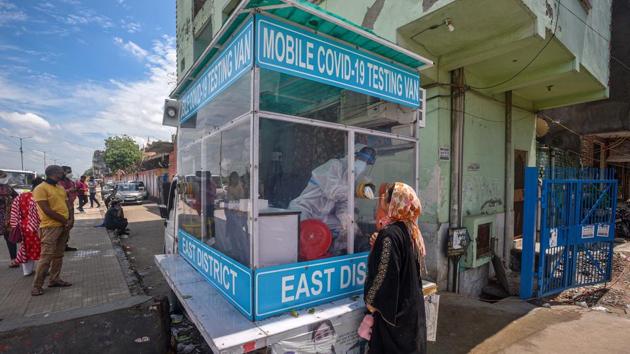
A health worker collects a swab sample from a woman to test for COVID-19 at New Ashok Nagar in New Delhi on August 21. Data from the survey shows that prevalence of the disease may be higher in women (32.2%) than men (28.3%), while the youngest age group (0-18) showed the highest rates of past infection (34.7%). Among the 18-50 age group, 28.5% had antibodies and for those above 50, this number was 31.2%. (Biplov Bhuyan / HT Photo)
3/8
 View Photos in a new improved layout
Updated on Aug 22, 2020 6:01 PM
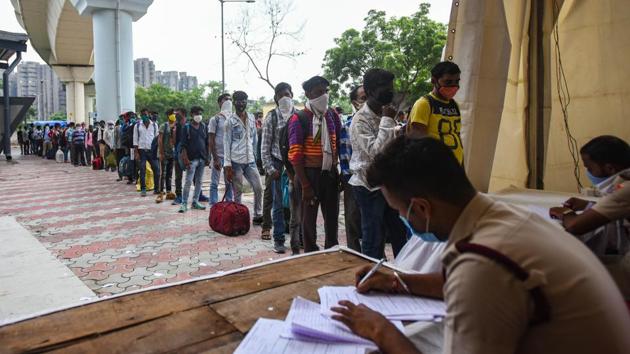
Migrant workers arriving from other states register for rapid antigen tests for COVID-19 at Anand Vihar ISBT in New Delhi on August 18. Sero survey data also indicated that the outbreak may be less deadly than previously feared, and that a large chunk of infections are going undetected by the existing testing mechanism in the Capital. (Amal KS / HT Photo)
4/8
 View Photos in a new improved layout
Updated on Aug 22, 2020 6:01 PM
Healthcare workers conduct Covid-19 tests for migrant workers arriving at the Anand Vihar ISBT in on August 18. “It is relieving to know that around 29% of the city’s population has recovered after being infected by the coronavirus. On the other hand, 71% of people in Delhi have not developed antibodies, which means that they are still vulnerable,” said Delhi health minister Satyendar Jain while releasing the results. (T. Narayan / Bloomberg)
5/8
 View Photos in a new improved layout
Updated on Aug 22, 2020 6:01 PM
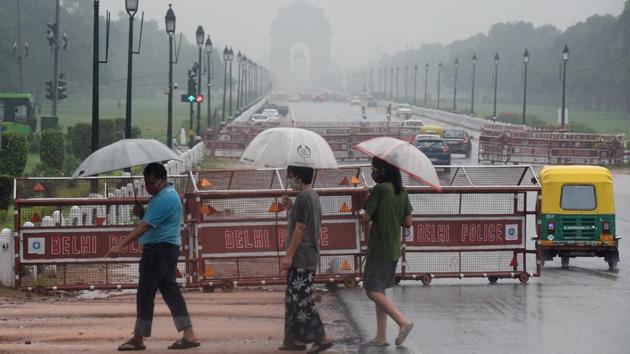
People by India Gate on a rainy August 19. “The people of Delhi are being very careful in taking precautions against Covid-19. So, this is a very positive development. It shows that the Covid-19 infection numbers are no longer rising exponentially in Delhi,” Jain said, while adding that the Capital “is heading towards herd immunity, but experts say that should be at least 40%”. (Sonu Mehta / HT Photo)
6/8
 View Photos in a new improved layout
Updated on Aug 22, 2020 6:01 PM
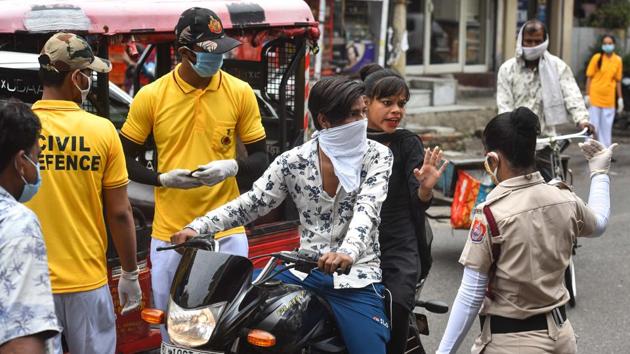
Civil Defence personnel stop people who were not wearing face masks and ask them to get tested for Covid-19 at Adarsh Nagar on August 20. The minister however, said the higher prevalence, which also indicates a larger proportion is now immune to the disease, does not mitigate the risks of resurgence. (Sanchit Khanna / HT Photo)
7/8
 View Photos in a new improved layout
Updated on Aug 22, 2020 6:01 PM
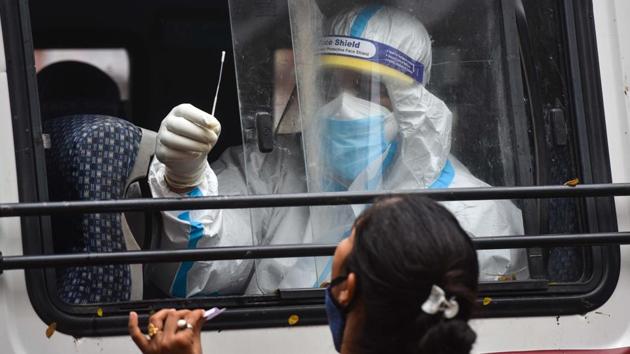
A health worker tests people for Covid-19 at Adarsh Nagar on August 20. The findings underscore the challenge posed by the Sars-Cov-2 virus, which experts believe largely does not cause symptoms in those infected, but those infected can pass it on to others. The July 10 - August 7 period had roughly 33,500 confirmed infections, compared to the 1.2 million who may have actually had it if the survey findings are extrapolated. (Sanchit Khanna / HT Photo)
8/8
 View Photos in a new improved layout
Updated on Aug 22, 2020 6:01 PM


