
 E-Paper



Photos: Family and community museums in Kargil depict a personal past
In the one-horse town of Kargil, Jammu and Kashmir, community and family run museums are trying to preserve its range of micro historical, cultural and political identities. Ajaz Hussain Munshi, curator of Munshi Aziz Bhat Museum set up his family run museum in 2004 in the memory of his grandfather, Munshi Aziz Bhat, one of the leading traders of the Silk Road in the 20th century. Munshi, later, also helped curate the Museum of Memories at Hunderman. While the value of objects at Aziz Bhat museum lies in its cultural, economic, social and political contexts, the Hunderman preserves the identity of a town that have been shaped by military events, caught in the India-Pakistan wars.
Updated on: Sep 17, 2018 1:27 PM IST

Share via


Copy link

1/9

 View Photos in a new improved layout
Updated on Sep 17, 2018 1:27 PM
An ornamental silver snuff box at Munshi Aziz Bhat museum in Kargil. Originally from central Asia, it was used to sniff opium by traders on arduous journeys along the Silk Route in late 19th and early 20th century. While government-run museums are naturally in another league altogether, family or community-run museums like this one are important because they preserve a range of micro historical, cultural and political identities. (Waseem Andrabi / HT Photo)
2/9
 View Photos in a new improved layout
Updated on Sep 17, 2018 1:27 PM
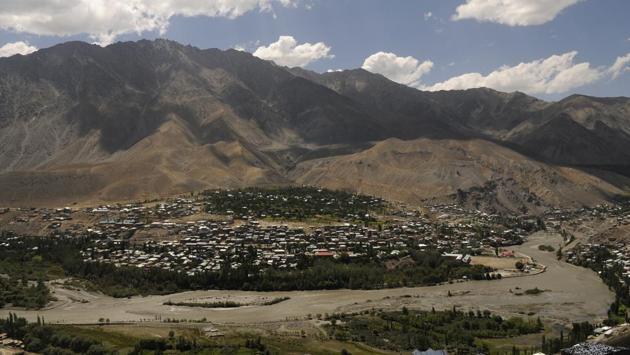
Aerial view of Kargil town. The story of the museum is particularly interesting because the Silk Route is the backbone of the institution’s 3,500-plus collection. The route comprised ancient terrestrial and maritime trade routes that connected the East and the West. Kargil then, was an important trading entreport, and its bazaar a commercial hub where various commodities were transported, traded and taxed. (Waseem Andrabi / HT Photo)
3/9
 View Photos in a new improved layout
Updated on Sep 17, 2018 1:27 PM
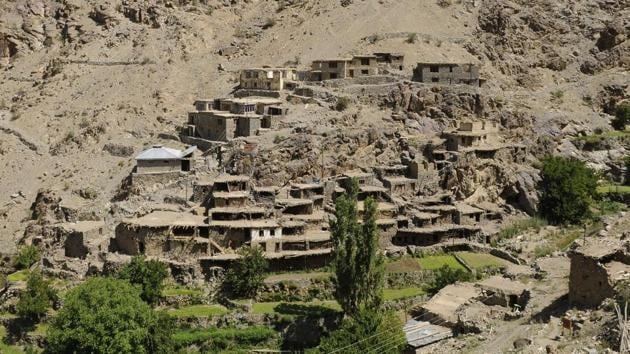
Despite being an important cultural and trade contact point, Kargil has no state-run museum to showcase the town’s rich past. With the help of the Munshi family, Hunderman village (pictured) now has its own museum --the Museum of Memories which is managed by a few local families. The museum captures the difficult life story of a border population whose lives have been shaped by military events. (Waseem Andrabi / HT Photo)
4/9
 View Photos in a new improved layout
Updated on Sep 17, 2018 1:27 PM
A border identity card seen at Museum of Memories. Hunderman was a part of Pakistan (1949-71), then India after 1971, and caught in wars the two countries fought in 1965, 1971 and 1999. The objects on display at this museum comprise border identity cards, old coins and notes, arms and ammunition, traditional clothes and items of daily use. (Waseem Andrabi / HT Photo)
5/9
 View Photos in a new improved layout
Updated on Sep 17, 2018 1:27 PM
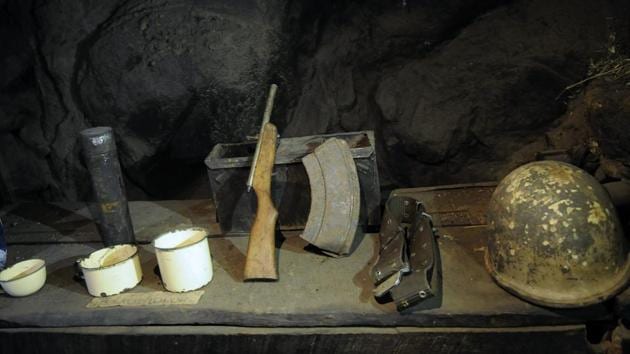
Old arms and ammunition on display at Museum of Memories. Abeer Gupta, director, Krishnakriti Foundation, said that in the last 10 years he has seen many local families investing in family museums while resisting offers from collectors to buy their family heirlooms. However, running a museum is an expensive affair and lack of funds from the government has made it difficult for these community based museums to survive. (Waseem Andrabi / HT Photo)
6/9
 View Photos in a new improved layout
Updated on Sep 17, 2018 1:27 PM
Curator Ilyas Ansari poses alongside traditional utensils at Museum of Memories. The museum's problems include lack of expert curatorial support, funds, regular supply of electricity and even community support. “I did not know that our traditional items would be of any interest … we don’t have that exposure, education. But when Ajaz bhai and his nephew Muzammil explained their importance to me, I realised their value,” Ansari said. (Waseem Andrabi / HT Photo)
7/9
 View Photos in a new improved layout
Updated on Sep 17, 2018 1:27 PM
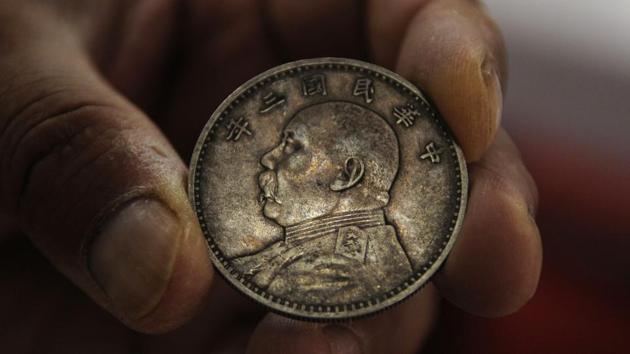
A coin dating back to late 19th or early 20th century is seen at Munshi Aziz Bhat Museum. “We definitely need funds for maintenance, better display of artefacts, museum building, art shop but the state government has not listened to our pleas though we have offered to give land for a new museum,” said Ajaz Munshi. The lack of footfall is another challenge. (Waseem Andrabi / HT Photo)
8/9
 View Photos in a new improved layout
Updated on Sep 17, 2018 1:27 PM
A revenue record document with Mughal emperor Shah Jahan’s royal seal. Despite obstacles, Deepthi Sasidharan, director, Eka Cultural Resources and Research, is optimistic about the future of family run museums. “Established museums may have the resources but many of them lack vision and outreach,” she said. “They are too process-driven, while community museums are passion driven.” (Waseem Andrabi / HT Photo)
9/9
 View Photos in a new improved layout
Updated on Sep 17, 2018 1:27 PM


