
 E-Paper



Photos: In Kolkata, India’s rugby hub and the roots of the Calcutta Cup
When England and Scotland play rugby each year, the winner hoists the Calcutta Cup -- a relic of the sport's roots in India, and a nod to the city where it is still thriving to this day. While the trophy went on to become one of the most famous prizes in rugby, the sport also survived in Kolkata. Indeed today it is the hub of rugby in India, and doing much good in the deprived city in the process, thanks in part to two British expats who gave up their careers to make Kolkata their home.
Updated on: Aug 3, 2019 5:16 PM IST


Share via


Copy link

1/9
 View Photos in a new improved layout
Updated on Aug 3, 2019 5:16 PM
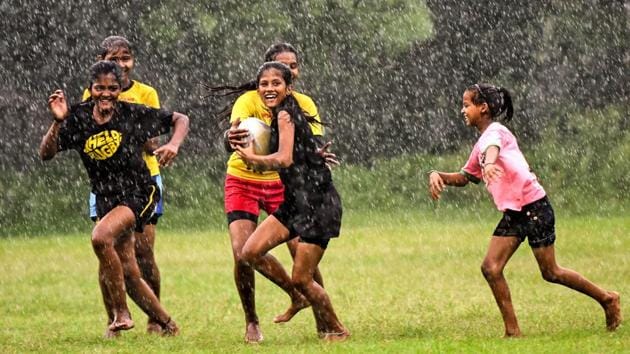
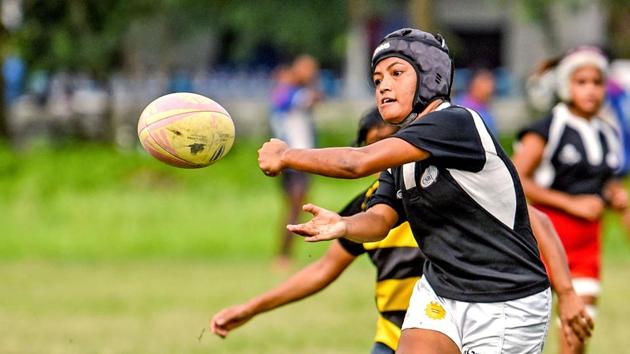
Children play rugby at the Maidan ground in Kolkata. In the 1870s, when the Calcutta Rugby Football Club started charging for drinks, interest among British colonials waned and it was disbanded leaving 270 silver rupees in the kitty, or so story goes. These were melted to make the Calcutta Cup, the now battered trophy still contested annually, with cobras for handles and an elephant perched on top. (Amit Datta / AFP)
2/9
 View Photos in a new improved layout
Updated on Aug 3, 2019 5:16 PM
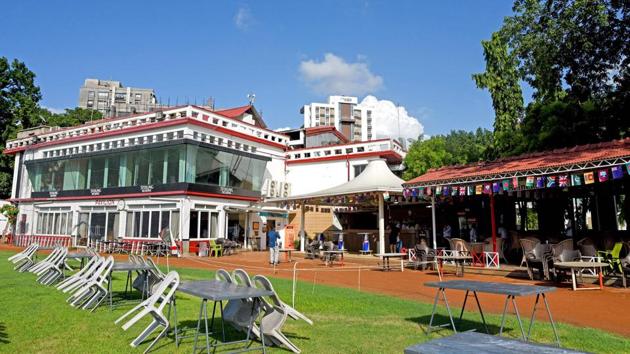
A big name in Kolkata’s sporting scene is the Calcutta Football and Cricket Club (CCFC). Founded in 1792, it is the oldest cricket club outside Britain, only five years younger than the Marylebone Cricket Club at Lord’s, known as the ‘home of cricket’. But the CCFC is not just about cricket. “The ‘F’ in CCFC is for rugby and not football,” points out sports coordinator Saurav Chaterjee. (Amit Datta / AFP)
3/9
 View Photos in a new improved layout
Updated on Aug 3, 2019 5:16 PM
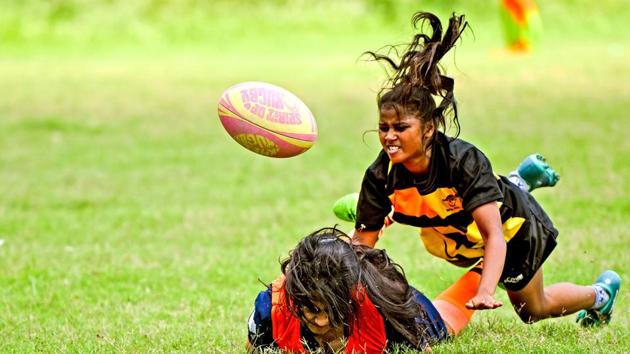
One of the many trophies in the packed cabinets at CCFC is the Calcutta Cup. But this is a different trophy from the one now housed in the Museum of Rugby in Twickenham, England. Kolkata’s own Calcutta Cup, smaller than its namesake, is keenly contested every year by about eight Kolkata clubs, one of several local and national competitions. (Amit Datta / AFP)
4/9
 View Photos in a new improved layout
Updated on Aug 3, 2019 5:16 PM
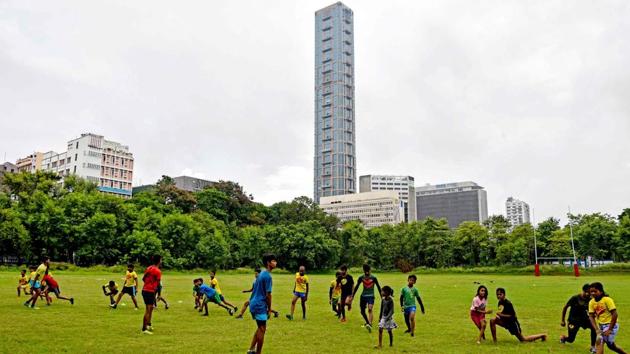
Before independence in 1947, winners included British military teams, but then home-grown sides like took over. “We have a very huge history here of rugby in Kolkata,” said Ryan Galstaun, 37, a member of that community refereeing boys’ and girls’ sevens in sweltering heat. But in recent years there have been two new kids on the scene, Future Hope and the Jungle Crows. (Amit Datta / AFP)
5/9
 View Photos in a new improved layout
Updated on Aug 3, 2019 5:16 PM
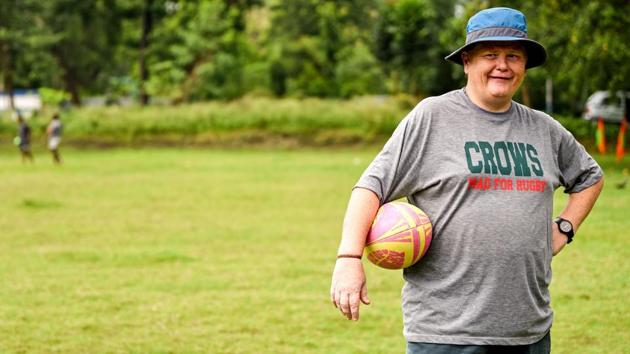
Both were started by Britons and both have won the local Calcutta Cup multiple times with teams made up of former street children. The clubs are also about more than just rugby, using the sport to help both boys and girls on the road towards a brighter future. Paul Walsh, 50, says he started Jungle Crows in 2004 with two compatriots “just for a lark”. (Amit Datta / AFP)
6/9
 View Photos in a new improved layout
Updated on Aug 3, 2019 5:16 PM
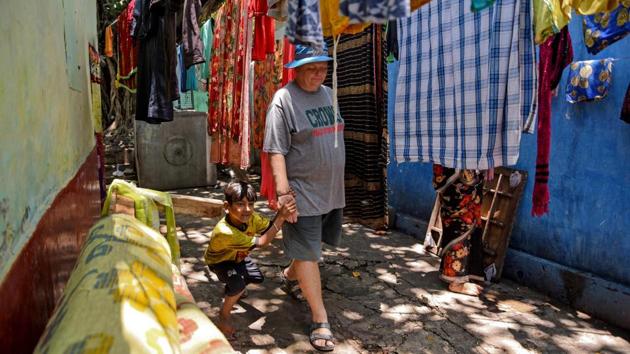
The other two have moved on but Walsh, now an MBE, has stayed. His Khelo Rugby project involves taking a rugby ball into poor communities, gaining children’s trust and helping them in other areas, including giving them money for schooling and training. (Amit Datta / AFP)
7/9
 View Photos in a new improved layout
Updated on Aug 3, 2019 5:16 PM
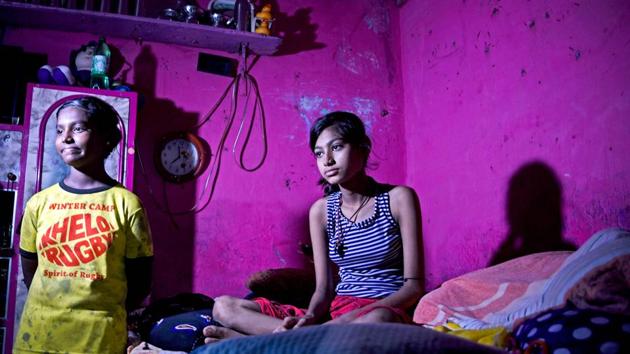
Children, part of the Khelo Rugby project at their home in a slum area of the Kidderpore neighbourhood in Kolkata. “You get the odd-shaped ball out, you get the rugby ball out, and it will light up any child’s face,” Walsh told AFP. “They’re interested. So that initial enthusiasm, we just kind of build on that really.” (Amit Datta / AFP)
8/9
 View Photos in a new improved layout
Updated on Aug 3, 2019 5:16 PM
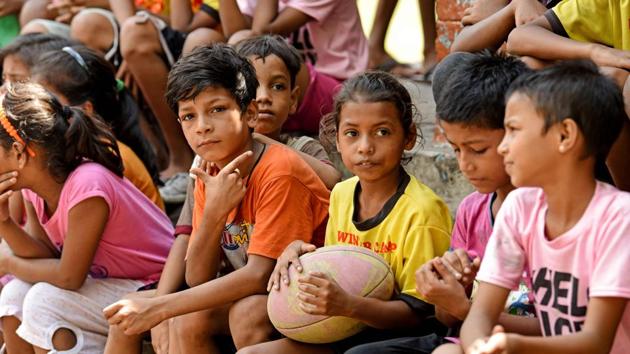
Children sit with a rugby ball near their home in Kidderpore. Future Hope founder Tim Grandage, 60, meanwhile first came to Kolkata in 1987 and was “shocked” by the number of kids on the street. Getting them to play rugby taught them discipline and teamwork, and learning the rules of the game also got many used to a school setting, he says. (Amit Datta / AFP)
9/9
 View Photos in a new improved layout
Updated on Aug 3, 2019 5:16 PM


