
 E-Paper



Photos: In Meghalaya’s Kongthong village, melodies make names
Curious whistles and chirrups echo through the jungle around Kongthong, a village in Meghalaya --but this is no birdsong. It’s people calling out to each other using music. In a tradition that is believed to be centuries old, mothers from Kongthong and a few other local villages compose a special melody for each child. Inspired by the sounds of nature, villagers use a long tune lasting around 30 seconds, to call each other while in the forest.
Updated on: Sep 19, 2018 3:11 PM IST

Share via


Copy link

1/9
 View Photos in a new improved layout
Updated on Sep 19, 2018 3:11 PM
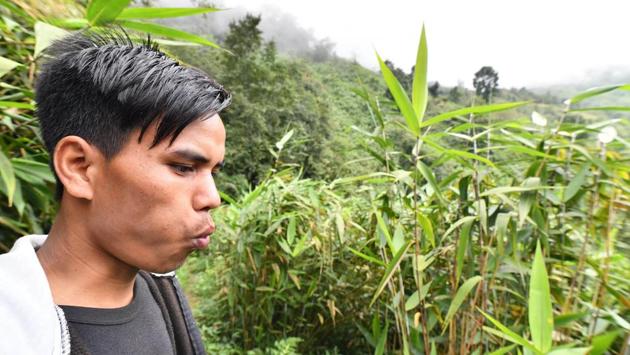
A villager whistles as he calls a friend in a field in Kongthong village, in the north-eastern state of Meghalaya. Everyone in this village, inhabited by the Khasi people, addresses each other with an individual little tune --and for a lifetime. They have conventional “real” names too, but they are rarely used. (Biju Boro / AFP)
2/9
 View Photos in a new improved layout
Updated on Sep 19, 2018 3:11 PM
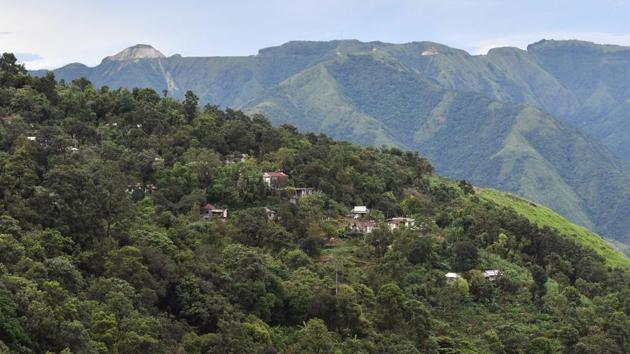
To walk along the main road in this village of wooden huts with corrugated tin roofs, perched on a ridge miles from anywhere, is to walk through a symphony of hoots and toots. On one side a mother calls out to her son to come home for supper, elsewhere children play and at the other end friends mess about -- all in an unusual, musical language of their own. (Biju Boro / AFP)
3/9
 View Photos in a new improved layout
Updated on Sep 19, 2018 3:11 PM
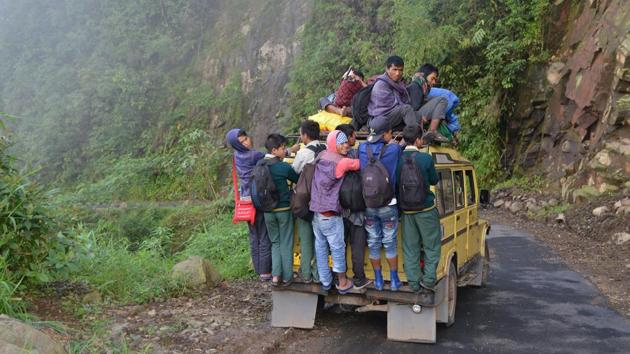
Kongthong has long been cut off from the rest of the world because of a tough trek from the nearest town. Electricity arrived only in 2000, and the dirt road in 2013. Days are spent foraging in the jungle for broom grass --the main source of revenue --leaving the village all but deserted, except for a few kids. (Biju Boro / AFP)
4/9
 View Photos in a new improved layout
Updated on Sep 19, 2018 3:11 PM
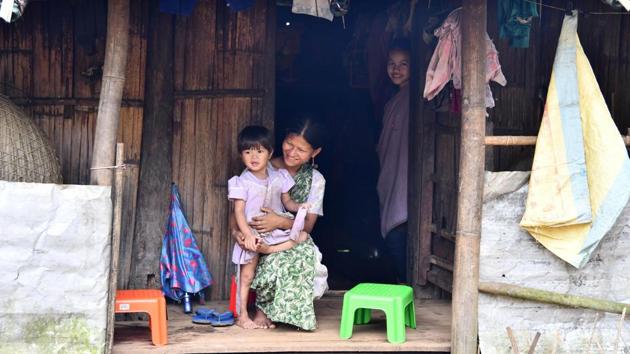
Pyndaplin Shabong, 31, with her daughter at her house in the village. “The composition of the melody comes from the bottom of my heart,” said, the mother-of-three. “It expresses my joy and love for my baby,” the 31-year-old added. (Biju Boro / AFP)
5/9
 View Photos in a new improved layout
Updated on Sep 19, 2018 3:11 PM
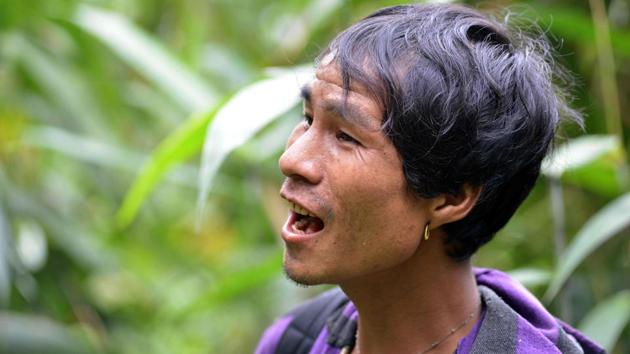
To call out to each other while in the forest, villagers use a tune lasting around 30 seconds of each other’s musical “name”, inspired by the sounds of nature. “We are living in far-flung villages, surrounded by the dense forest and the hills. So we are in touch with nature, we are in touch with all the gracious living things that God has created,” said Rothell Khongsit, a community leader. (Biju Boro / AFP)
6/9
 View Photos in a new improved layout
Updated on Sep 19, 2018 3:11 PM
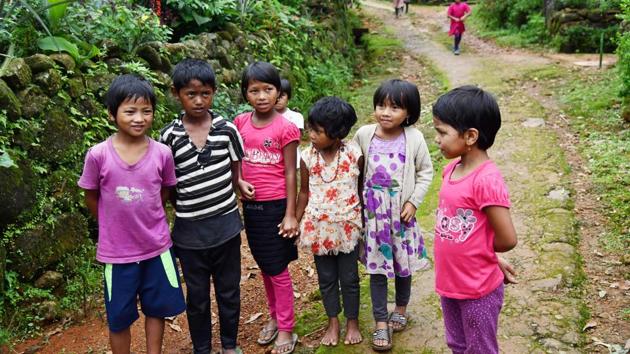
“Creatures have their own identity. The birds, so many animals, they have ways of calling each other.” said Khongsit. The custom is known as “jingrwai lawbei”, meaning “song of the clan’s first woman” --a reference to the Khasi people’s mythical original mother. They consider her a goddess who looks after the family and inheritance, passed on by their ancestors. (Biju Boro / AFP)
7/9
 View Photos in a new improved layout
Updated on Sep 19, 2018 3:11 PM
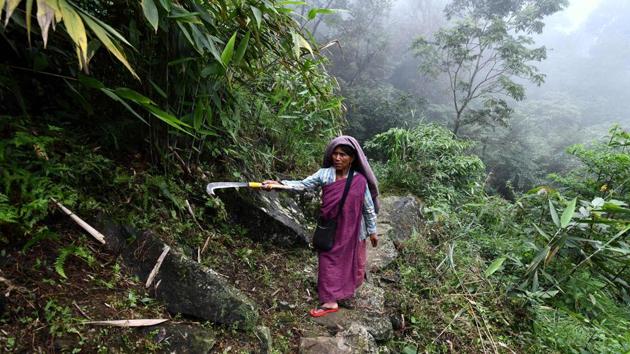
Phlimsibon Khogjee, 45, on her way to work in a field outside Kongthong village. The origin of “jingrwai lawbei” isn’t known, but locals think it is as old as the village, which has existed for as long as five centuries. (Biju Boro / AFP)
8/9
 View Photos in a new improved layout
Updated on Sep 19, 2018 3:11 PM
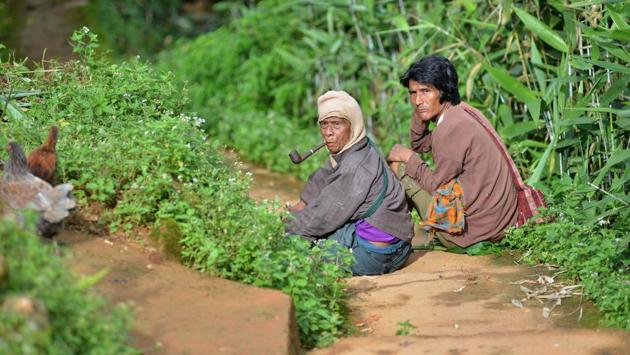
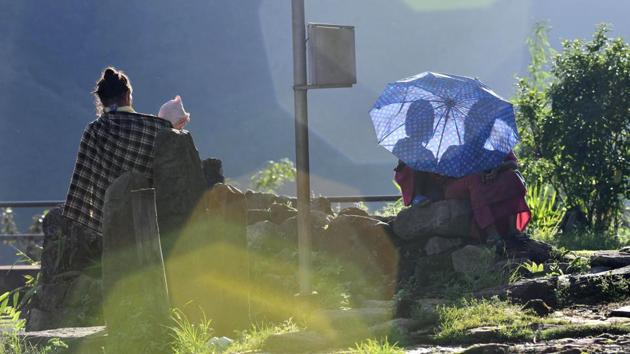
In Khasi society, property and land are passed down from mother to daughter, while a husband moves in with his wife and takes her name. But according to anthropologist Tiplut Nongbri, a professor at Jamia Millia Islamia university in Delhi, it is something of a “disguised patriarchy”. Women “don’t have decision-making powers and the rules are very clearly demarcated between male and female,” she said. (Biju Boro / AFP)
9/9
 View Photos in a new improved layout
Updated on Sep 19, 2018 3:11 PM


