
 E-Paper



Photos: India’s trash crisis at risk of spilling over, alternatives scant
India's landfills have been piled up beyond capacity for years. With land to dump garbage finite and building more such sites unfeasible, taking inspiration from Alappuzha, Panaji and Pune and converting trash to compost or biogas and recycling plastic, glass, metals and paper can be one step towards a solution.
Updated on: Sep 13, 2017 2:20 PM IST

Share via


Copy link

1/9
 View Photos in a new improved layout
Updated on Sep 13, 2017 2:20 PM
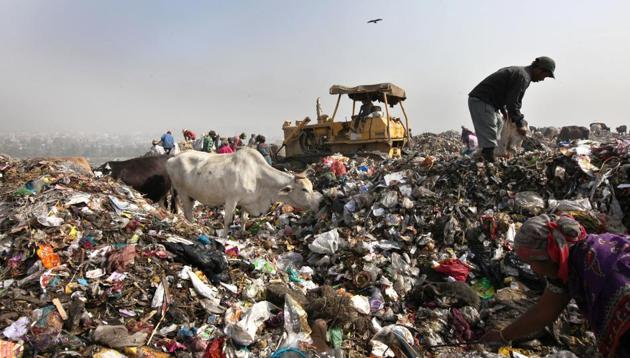
On September 01, 2017 the national capital’s Ghazipur dump yard witnessed an avalanche as a nearly 15-storey-high mound fell into an adjacent canal, creating a mini-tsunami; killing two people and washing away four vehicles. With an enormous amount of trash generated annually, India’s existing landfills are already brimming. Space for more such dump sites is scarce as cities themselves expand and alternatives to more efficient waste disposal such as recycling and composting the need of the hour. (Ajay Aggarwal / HT Photo )
2/9
 View Photos in a new improved layout
Updated on Sep 13, 2017 2:20 PM
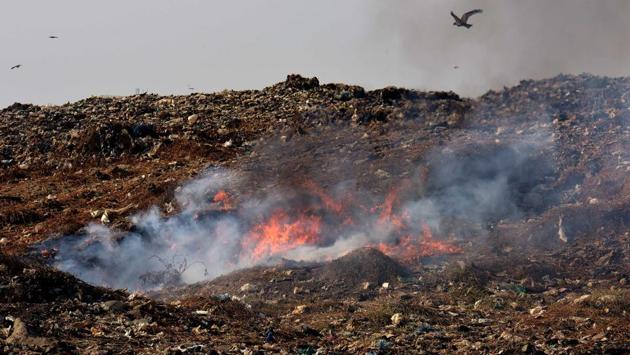
Ghazipur is not an exception, most Indian cities are sinking in their own trash. Two of Mumbai’s three landfills --Deonar and Mulund have waste piled up to the height of a four-storey building. Last year, triggered by combustible gases released from disintegrating refuse, the dumpsite at Deonar caught fire. The plumes of smoke were visible from space. (Bachchan Kumar / HT Photo)
3/9
 View Photos in a new improved layout
Updated on Sep 13, 2017 2:20 PM
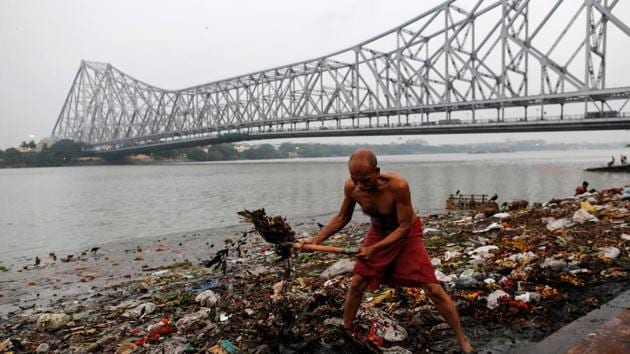
Landfills stink and present serious health and ecological hazards. The Waste Atlas 2014 quoted a study by National Environmental Engineering Research Institute (NEERI) stating that people living in neighbourhoods abutting the Deonar dump in Mumbai were exposed to formaldehyde, a carcinogenic compound. (Danish Siddiqui / Reuters)
4/9
 View Photos in a new improved layout
Updated on Sep 13, 2017 2:20 PM
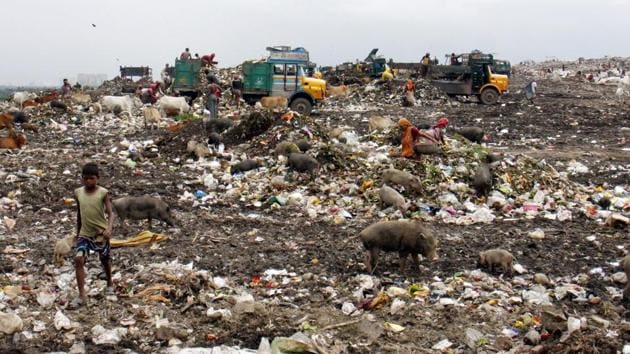
In Kolkata, the oldest landfill at Dhapa is permanently on fire. The fuming trash piles have scaled the 50-foot danger mark and municipality officials worry about an imminent collapse. Earlier this monsoon, one of the five 50-metre mounds at Ahmedabad’s Pirana dump site gave away, burying four vehicles. (Subhendu Ghosh / HT Photo)
5/9
 View Photos in a new improved layout
Updated on Sep 13, 2017 2:20 PM
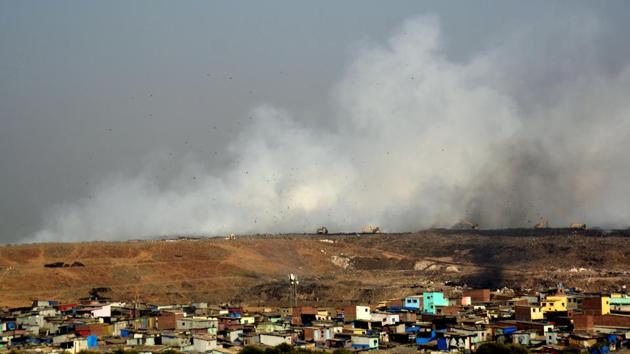
Fumes and odour from the Deonar dump yard caused respiratory ailments among locals. In Bengaluru, groundwater contamination around Mandur landfill made residents ill and damaged crops. (Prashant Waydande / HT Photo)
6/9
 View Photos in a new improved layout
Updated on Sep 13, 2017 2:20 PM
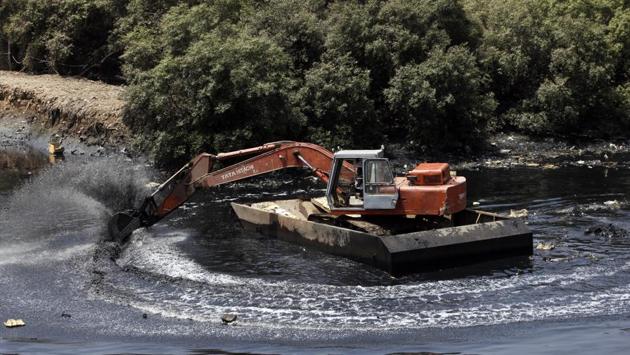
As the search for new landfill sites continues, waste-to-energy plants are being touted as the only alternative. Unfortunately, there is no effective solution to the garbage crisis. In Pune, the municipality spent Rs 20 crore in installing 25 low-capacity (two-five tonnes) waste-to-energy processing plants. Five of these are defunct and the rest run below capacity. (Kunal Patil / HT Photo)
7/9
 View Photos in a new improved layout
Updated on Sep 13, 2017 2:20 PM
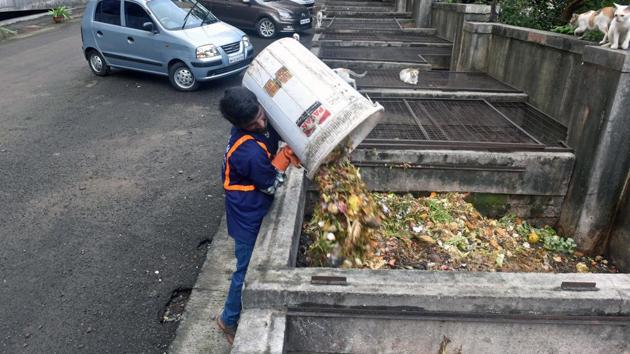
The only solution is to reduce the load of garbage that requires dumping by minimising waste generation and recycling or processing every possible bit. In 2005, the Pune Municipal Corporation launched a successful pilot project, engaging waste pickers in door-to-door waste collection of trash. Today, out of the 1,700 metric tonnes of waste generated, 122 tonnes of dry waste is collected daily by ragpickers under SWaCH (Solid Waste Collection and Handling Pune Seva Cooperative Limited). (Pratham Gokhale / HT Photo)
8/9
 View Photos in a new improved layout
Updated on Sep 13, 2017 2:20 PM
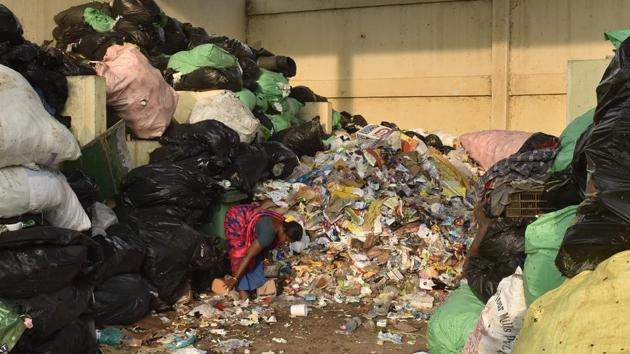
A woman working at a dry waste collection centre of Bruhat Bengaluru Mahanagara Palike. The good news is that 40–60% of India’s municipal solid waste consists of compostable matter. But to generate quality compost, municipalities have to ensure that wet waste is segregated properly. Mixed waste can add toxicity to the produce, making it harmful for agriculture or gardening. (Arijit Sen / HT Photo)
9/9
 View Photos in a new improved layout
Updated on Sep 13, 2017 2:20 PM


