
 E-Paper



Photos | Living with the past: Rakhigarhi’s Indus Valley connection
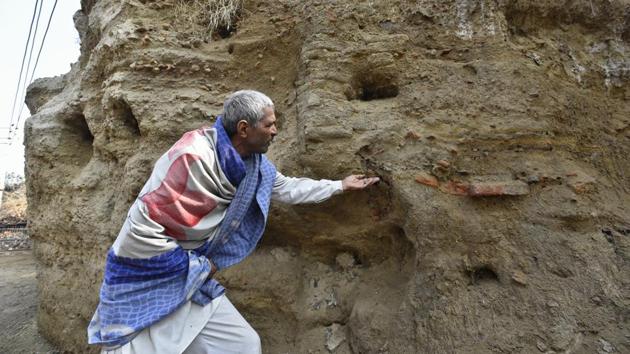
Nestled in Haryana’s Hisar district is Rakhigarhi, a village with links to the Indus Valley Civilisation. Residents here take pride in the fact that their lands comprise a site with links so ancient. Since the site’s discovery in the 1960s, some have even become collectors of the antiquities that crop up in abundance over their lands. As archaeologists try to uncover more facts from the village pegged as the largest site of the ancient civilisation, authorities are devising new ways to protect heritage sites that intersperse everyday life.
Updated on: Feb 05, 2019 4:27 PM IST

Share via


Copy link

1/7
 View Photos in a new improved layout
Updated on Feb 05, 2019 4:27 PM
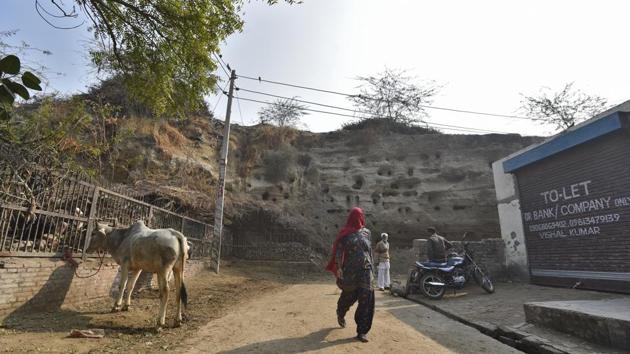
Rakhigarhi, a village in Haryana, abounds with the remains of the Indus Valley Civilisation. Some archaelogists peg it as the biggest site of the civilisation that flourished from 5500 BC to 1500 BC. Locals here are accustomed to visits by scholars and historians; so much so that some even give visitors a tour of the past that continues to co-habit their immediate surroundings. (Burhaan Kinu / HT Photo)
2/7
 View Photos in a new improved layout
Updated on Feb 05, 2019 4:27 PM
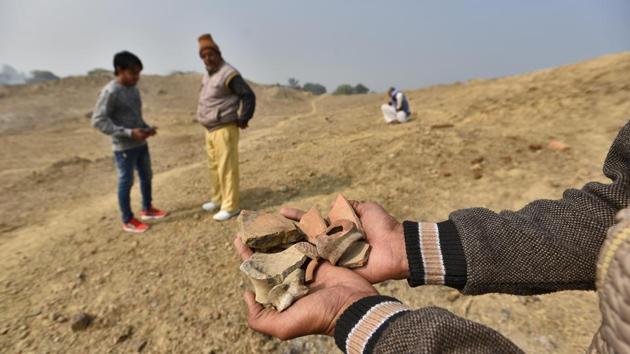
The first discovery of the remains of the Harappan Civilisation in Rakhigarhi was in the 1960s when a collector of antiquities, Acharya Bhagwan Dev, visited the village and stumbled upon earthenware in the soil here. Unable to identify them, he invited Professor Suraj Bhan who was studying the Harappan era, to examine his findings. It was Bhan who established that the antiquities dated to the Indus Valley Civilisation. (Burhaan Kinu / HT Photo)
3/7
 View Photos in a new improved layout
Updated on Feb 05, 2019 4:27 PM
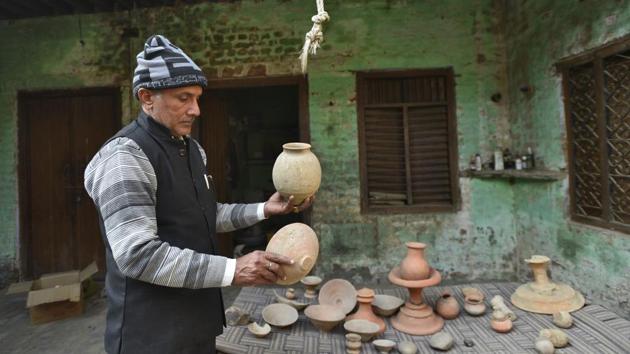
52-year-old school teacher Ramesh Chandra became interested in collecting the remains after finding a pot in his fields. Over the years, his collection has grown to include urns, broken pots, seals and bits and pieces of terracotta jewellery. “I have shown it to visiting historians and archaeologists and they have confirmed it is from ancient times,” he says. (Burhaan Kinu / HT Photo)
4/7
 View Photos in a new improved layout
Updated on Feb 05, 2019 4:27 PM
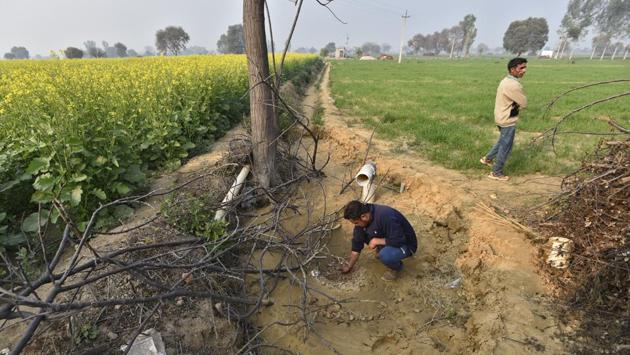
Another archaeologist who has played an instrumental role in establishing Rakhigarhi’s Harappan relation, is Ravindra Singh Bisht who paid his first visit to the village in 1972. He identified seven mounds where remains of the Civilisation could be found and recommended that they be declared ‘protected monuments’ by the Archaeological Survey of India (ASI). Presently four of the seven mounds are protected. (Burhaan Kinu / HT Photo)
5/7
 View Photos in a new improved layout
Updated on Feb 05, 2019 4:27 PM
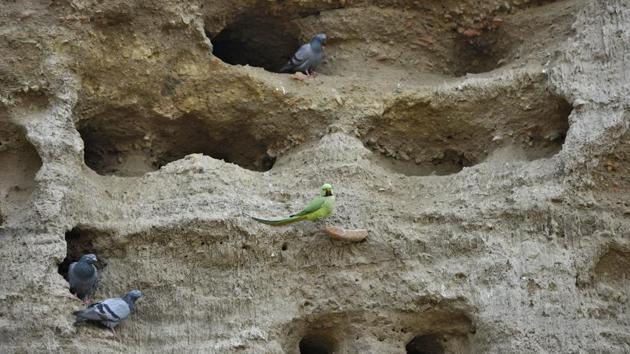
The first excavation at Rakhigarhi was carried out between 1997 and 2000 by Amarendra Nath of the ASI. From 2013-16, Vasant Shinde of Pune’s Deccan College carried out excavations here as well, unearthing skeletons in one of the village farmlands. A report on the study of the DNA remains of these skeletons is expected soon, possibly in the next one month. (Burhaan Kinu / HT Photo)
6/7
 View Photos in a new improved layout
Updated on Feb 05, 2019 4:27 PM
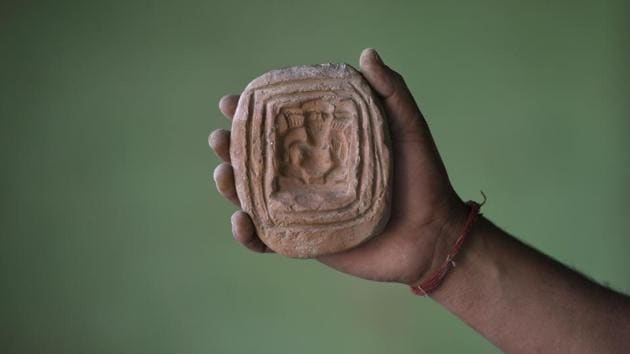
Shinde claims Rakhigarhi is the biggest Indus Valley Civilisation site found. According to him, the site at the village is spread over more than 500 hectares, in comparison to Mohenjo-daro’s 300 hectares –thought to be the biggest site. He adds that they are yet to figure out whether this entire area was occupied simultaneously, or gradually brought under occupation. (Burhaan Kinu / HT Photo)
7/7
 View Photos in a new improved layout
Updated on Feb 05, 2019 4:27 PM


