
 E-Paper



Photos: Mapping Mahatma Gandhi’s relationship with the camera
One of the most photographed figures of his time, Mahatma Gandhi, seems to have engaged with photography rather seriously from his early days in South Africa. Right from posed studio portraits up until the time when he met Swiss photographer Walter Bossard to tell him that he would never pose for a photographer, Gandhi used the medium strategically to benefit India's freedom movement.
Updated on: Sept 26, 2019 5:45 PM IST


Share via


Copy link

1/8
 View Photos in a new improved layout
Updated on Sept 26, 2019 5:45 PM
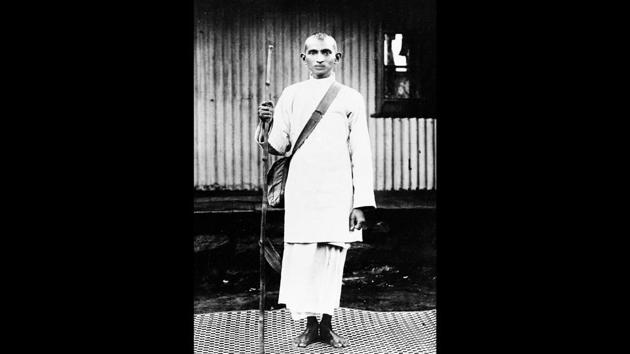
Right from his early years, Mahatma Gandhi had an active relationship with the camera. Here, Gandhi is seen in 1914, wearing white to mourn the deaths of Indian strikers killed in police firing in South Africa. (National Gandhi Museum)
2/8
 View Photos in a new improved layout
Updated on Sept 26, 2019 5:45 PM
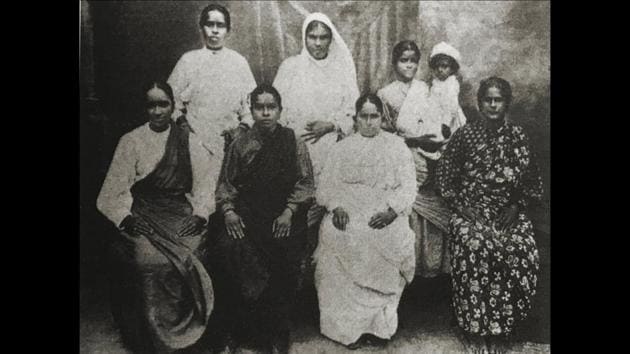
Valiamma, Mahabeer, Veerasamy, V. Naidoo, Moonasamy, V.S. Pillay, Moonasamy Moodley- a group of women resisters who spent three months in jail in October, 1913 in South Africa during the passive resistance that Gandhi led from the front. All these women looking solemnly into the camera (one even holding a child), made for powerful imagery that subverted the conventional use of posed photographs of that time, which were commissioned largely for posterity. (National Gandhi Museum)
3/8
 View Photos in a new improved layout
Updated on Sept 26, 2019 5:45 PM
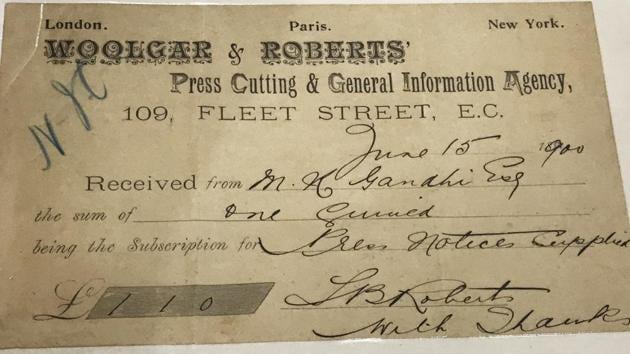
Gandhi was also keeping track of his published photographs and news mentions across the world. A payment receipt of £1.10 dated June 15, 1900, from Woolgar & Roberts’ Press Cutting and General Information Agency in London in Gandhi’s name, confirms his subscription to press notice clippings for possibly a year. (Paroma Mukherjee, courtesy National Gandhi Museum)
4/8
 View Photos in a new improved layout
Updated on Sept 26, 2019 5:45 PM
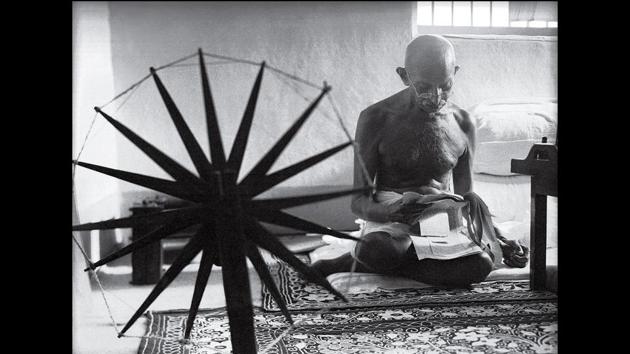
Even being one of the world’s most revered photographers did not earn Margaret Bourke-White the right to photograph Mahatma Gandhi. In 1946, she had to also learn how to work the charkha before being allowed to photograph Gandhi doing the same. In notes that accompanied the film rolls sent to LIFE magazine’s New York offices, she wrote about how she thought of both the spinning wheel and photography as handicrafts, but Gandhi’s aides told her that spinning was the greater of the two. (National Gandhi Museum)
5/8
![Mahatma Gandhi collecting donations for the Harijan Fund (Assam), circa 1945. Beginning the late 1930s, Gandhi was also signing his photographs for auctioning, so that money raised could be used for the Harijan movement. “Do rupiya ek bar”, he [Gandhi] would say, the floor price is two rupees,” writes Ramachandra Guha in ‘Gandhi: The Years That Changed The World.’ (National Gandhi Museum)](https://images.hindustantimes.com/rf/image_size_630x354/HT/p2/2019/09/26/Pictures/mahatma-gandhi-collecting-donations-courtesy-national-harijan_b7af0baa-e049-11e9-b0cd-667d8786d605.jpg "Mahatma Gandhi collecting donations for the Harijan Fund (Assam), circa 1945. Beginning the late 1930s, Gandhi was also signing his photographs for auctioning, so that money raised could be used for the Harijan movement. “Do rupiya ek bar”, he [Gandhi] would say, the floor price is two rupees,” writes Ramachandra Guha in ‘Gandhi: The Years That Changed The World.’ (National Gandhi Museum)") View Photos in a new improved layout
View Photos in a new improved layoutUpdated on Sept 26, 2019 5:45 PM
Mahatma Gandhi collecting donations for the Harijan Fund (Assam), circa 1945. Beginning the late 1930s, Gandhi was also signing his photographs for auctioning, so that money raised could be used for the Harijan movement. “Do rupiya ek bar”, he [Gandhi] would say, the floor price is two rupees,” writes Ramachandra Guha in ‘Gandhi: The Years That Changed The World.’ (National Gandhi Museum)
6/8
 View Photos in a new improved layout
Updated on Sept 26, 2019 5:45 PM
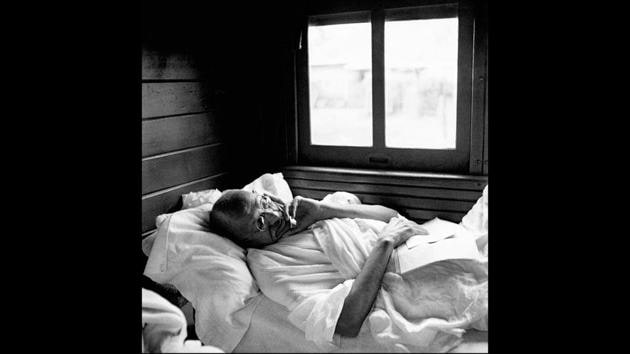
In the late 1930s, Gandhi’s grandnephew Kanu Gandhi began photographing the Mahatma extensively. He was given access, but on the condition of not using a flash, or having Gandhi pose. While still being rigorously photographed like perhaps no other figure of that time, Gandhi had consciously stepped out of the photo studio and into the public imagination. (National Gandhi Museum)
7/8
 View Photos in a new improved layout
Updated on Sept 26, 2019 5:45 PM
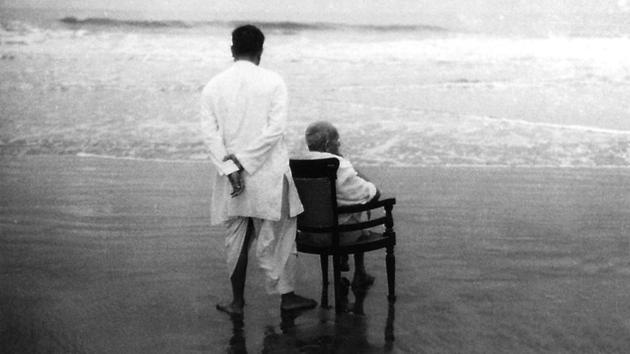
Mahatma Gandhi with his son Devdas at Juhu Beach, Mumbai, Maharashtra, India, May 1944. (National Gandhi Museum)
8/8
 View Photos in a new improved layout
Updated on Sept 26, 2019 5:45 PM


