
 E-Paper



Photos: Serampore’s Danish heritage makes a comeback
Serampore, near Kolkata, was an important Danish colony in the 18th century. A grand heritage restoration programme is underway in the town to restore its major landmarks to their former glory.
Updated on: Dec 11, 2017 9:32 AM IST

Share via


Copy link

1/13
 View Photos in a new improved layout
Updated on Dec 11, 2017 9:32 AM
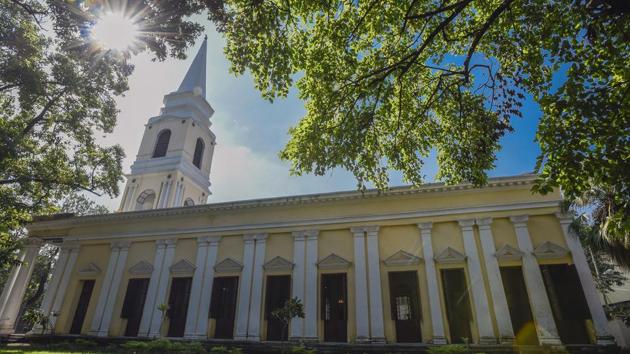
Serampore, near Kolkata, was a Danish outpost for 90 years (1755-1845). The 210-year-old Lutheran St Olav Church’s restoration was completed in 2015. The project won the Unesco Heritage Award of Distinction in 2016. (Burhaan Kinu / HT Photo)
2/13
 View Photos in a new improved layout
Updated on Dec 11, 2017 9:32 AM
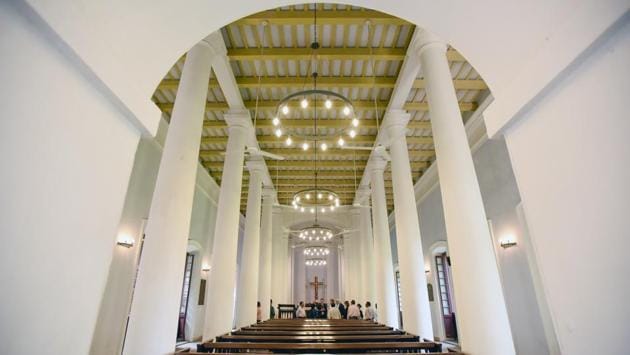
St. Olav’s Church has a portico of twin columns and the royal monogram of Christian VII, who was the King of Denmark when the church was consecrated. It is flat roofed and reflects the designs of contemporary churches in British India. (Burhaan Kinu / HT Photo)
3/13
 View Photos in a new improved layout
Updated on Dec 11, 2017 9:32 AM
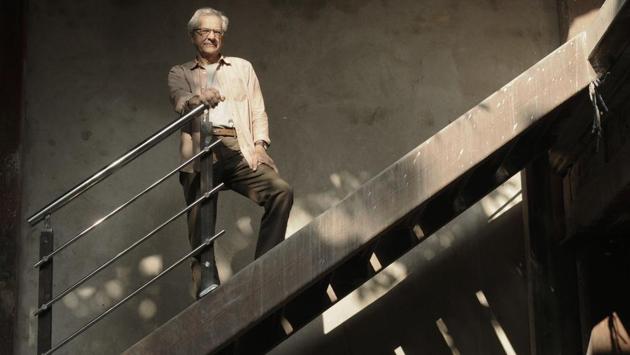
Chief architect of the Denmark National Museum Flemming Auland at the Denmark Tavern in Serampore. (Samir Jana / HT Photo)
4/13
 View Photos in a new improved layout
Updated on Dec 11, 2017 9:32 AM
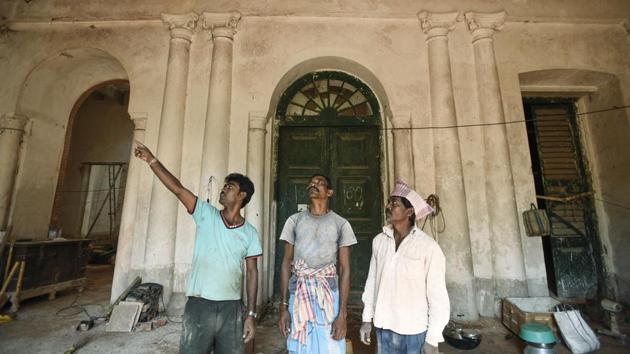
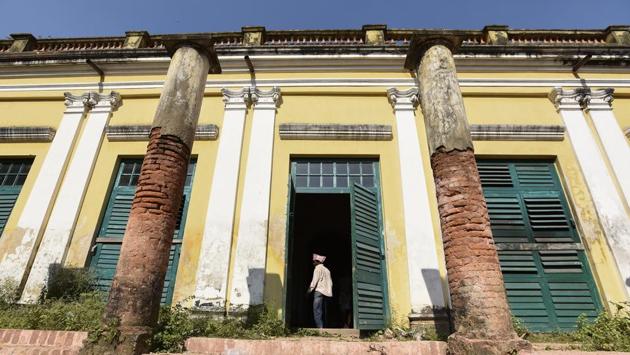
The 12,000-square feet Danish Government House’s restoration is being funded by the Centre, the West Bengal Heritage Commission (WBHC), and the Serampore Municipality is in charge. (Burhaan Kinu / HT Photo)
5/13
 View Photos in a new improved layout
Updated on Dec 11, 2017 9:32 AM
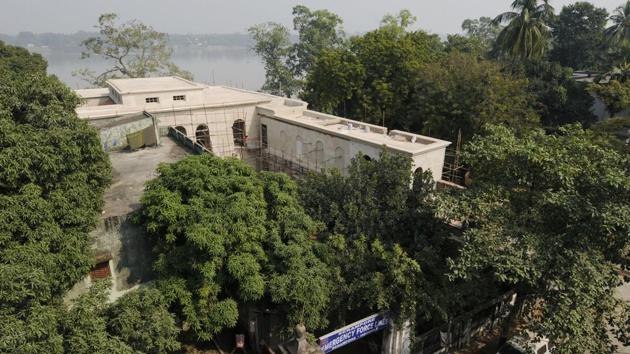
By early 2018, the Danish Tavern will be back in business. It will have a coffee shop, a Danish bakery and six well-appointed rooms for guest accommodation. (Burhaan Kinu /HT Photo)
6/13
 View Photos in a new improved layout
Updated on Dec 11, 2017 9:32 AM
After its restoration, the Danish Government House will have a museum of the town’s European Danish legacy and an exhibition hall. (Burhaan Kinu / HT Photo)
7/13
 View Photos in a new improved layout
Updated on Dec 11, 2017 9:32 AM
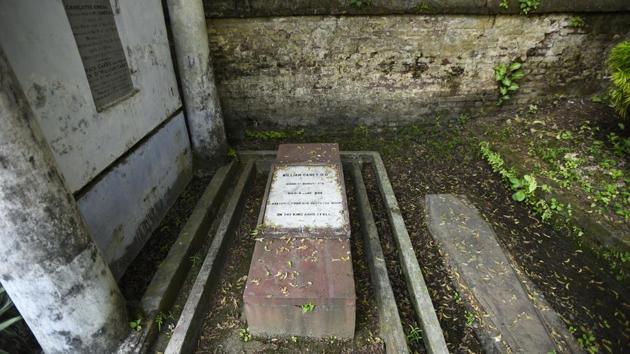
The grave of William Carey, who established the Serampore Mission, Serampore Mission Press and Serampore College. The press printed the Bible in 45 languages including Assamese, Awadhi, Telegu, Bengali, Mooltani, Persian and Pushtu. (Burhaan Kinu / HT Photo)
8/13
 View Photos in a new improved layout
Updated on Dec 11, 2017 9:32 AM
An aerial view of the Denmark Tavern in Serampore. (Samir Jana / HT Photo)
9/13
 View Photos in a new improved layout
Updated on Dec 11, 2017 9:32 AM
Inside the Goswami palace in Serampore. Around the same time as the Danes came to the town, the founder of the Goswami family, Ramgovinda, settled in the western part of the town. (Burhaan Kinu / HT Photo)
10/13
 View Photos in a new improved layout
Updated on Dec 11, 2017 9:32 AM
“Unlike other colonial rulers, the power equation between the Danes and Indians were different… locals such as the Goswami family called the shots because they were rich, thanks to Europe-Bengal trading,” says Simon Rasten, historian, National Museum of Denmark. (Burhaan Kinu / HT Photo)
11/13
 View Photos in a new improved layout
Updated on Dec 11, 2017 9:32 AM
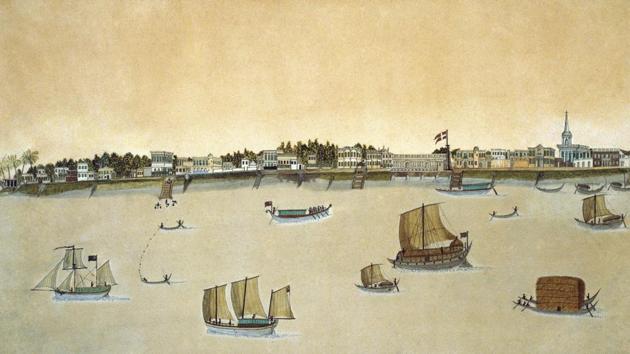
A photograph of a painting by Captain J. Hammer, 1810, showing Serampur (Frederiksnagore) with Huglifloden in the foreground. (HT Photo)
12/13
 View Photos in a new improved layout
Updated on Dec 11, 2017 9:32 AM
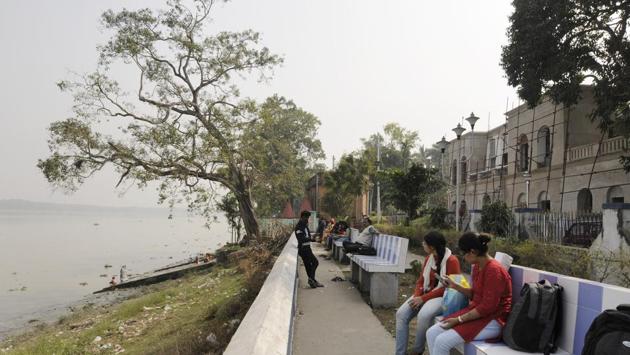
From the white colonnaded verandah of the Denmark Tavern in Serampore, the panorama is serene: a placid river Hooghly flows next to the late 18th century building, towards its final resting place, the Bay of Bengal. (Samir Jana / HT Photo)
13/13
 View Photos in a new improved layout
Updated on Dec 11, 2017 9:32 AM


