
 E-Paper



Photos: Over 11 lakh migratory birds visit Odisha’s Chilika lake
In Odisha, this year the number of migratory birds visiting the famous Chilika lake has increased to 11,05,040, at least 57,000 more than the previous year. Increase in number of migratory birds in the lake is attributed to the safety measures taken by the wildlife authorities and improvement of the habitat in the lake. Among the different species the highest number was that of Gadwall (2,05,883) followed by Northern Pintail (1,82,177) and Eurasian bill (1,43,418) visited the lake. This winter, bird watchers are also excited over the re-sighting of a number of birds after around five years in the Chilika lake, the biggest waterfowl habitat in the country.
Updated on: Jan 9, 2020 7:04 PM IST


Share via


Copy link

1/10

 View Photos in a new improved layout
Updated on Jan 9, 2020 7:04 PM
Whiskered Terns seen at Mangalajodi wetland, a part of Chilika Lake, some 70km from Bhubaneswar, Odisha. PTI reports that the number of migratory birds visiting the famous Chilika lake has increased to 11,05,040 this winter, at least 57,000 more than the previous year, according to the latest bird census in the lagoon. (Arabinda Mahapatra/HT Photo)
2/10
 View Photos in a new improved layout
Updated on Jan 9, 2020 7:04 PM
A White-throated kingfisher seen at Mangalajodi wetland, a part of Chilika Lake. Apart from sighting of the new species, more number of feathered guests have visited the vast lake this winter compared to the previous winters, said Divisional Forest Officer (DFO) Chilika wildlife division, Alok Ranjan Hota to PTI. (Arabinda Mahapatra/HT Photo)
3/10
 View Photos in a new improved layout
Updated on Jan 9, 2020 7:04 PM
Purple Swamphen seen at Mangalajodi wetland, a part of Chilika Lake. According to a report by PTI, the annual bird count, conducted over 1,100 square kilometre of the lake area found 11,05,040 birds of 184 different species. These included 10,71,477 waterfowls of 109 species and 33,563 of 75 species of wetland dependants. (Arabinda Mahapatra/HT Photo)
4/10
 View Photos in a new improved layout
Updated on Jan 9, 2020 7:04 PM
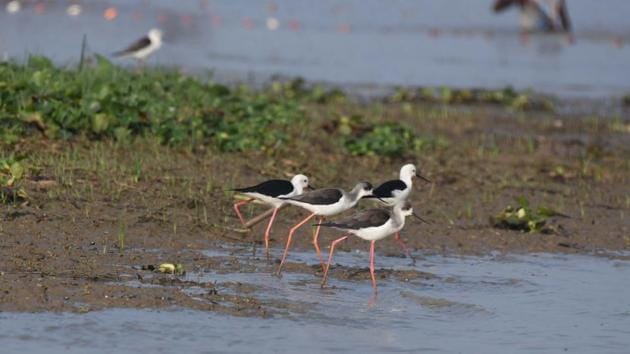
Black-winged stilts seen at Mangalajodi wetland, a part of Chilika Lake. PTI reports that the increase in number of migratory birds in the lake is attributed to the safety measures taken by the wildlife authorities and improvement of the habitat in the lake. (Arabinda Mahapatra/HT Photo)
5/10
 View Photos in a new improved layout
Updated on Jan 9, 2020 7:04 PM
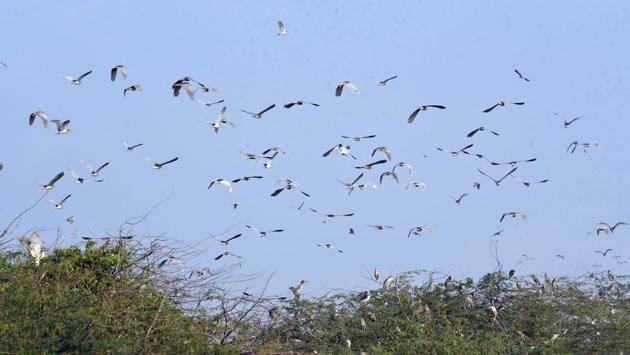
Black-crowned night herons seen at Mangalajodi wetland, a part of Chilika Lake. Ornithologists said the huge arrival of migratory birds indicates that cyclone Fani, which battered the lake at Puri in May this year had no impact on the winged visitors. (Arabinda Mahapatra/HT Photo)
6/10
 View Photos in a new improved layout
Updated on Jan 9, 2020 7:04 PM
Brown-headed gulls at Mangalajodi wetland, a part of Chilika Lake. Bird watchers are excited over the re-sighting of a number of birds after around five years in the Chilika lake, the biggest waterfowl habitat in the country, this winter. (Arabinda Mahapatra/HT Photo)
7/10
 View Photos in a new improved layout
Updated on Jan 9, 2020 7:04 PM
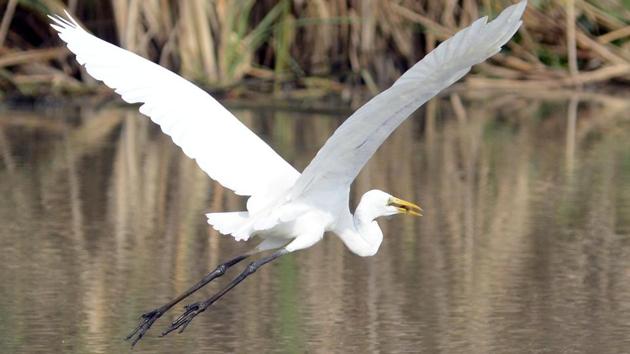
A Little egret seen at Mangalajodi wetland, a part of Chilika Lake. “At least two number of Great Knot, a medium-size shore-bird were found in the Chilika during the annual survey of the birds in the lake on Sunday,” the DFO said to PTI, adding that this species of bird, scientifically known as Calidris tenuirostris, which is found in the Central Asia, had visited the lake in 2015. (Arabinda Mahapatra/HT Photo)
8/10
 View Photos in a new improved layout
Updated on Jan 9, 2020 7:04 PM
Asian Openbill storks seen at Mangalajodi wetland. PTI reports that out of total birds found in Chilika lake this year, 4,06,308 of 102 species have been located in the Nalabana island of the blue lagoon. The 15.59 sq km Nalabana Island inside the lake was declared as the bird sanctuary. (Arabinda Mahapatra/HT Photo)
9/10
 View Photos in a new improved layout
Updated on Jan 9, 2020 7:04 PM
Ruddy shelducks seen at Mangalajodi wetland. Among the different species the highest number was that of Gadwall (2,05,883) followed by Northern Pintail (1,82,177) and Eurasian bill (1,43,418) visited the lake, sources said to PTI. (Arabinda Mahapatra/HT Photo)
10/10
 View Photos in a new improved layout
Updated on Jan 9, 2020 7:04 PM


