
 E-Paper



Photos: The mannequin makers’ challenge of art and commerce
Silent advertisers of fashion and aesthetic trends, the mannequins that stand at every storefront displaying clothes are much more to their creators.
Updated on: Jul 31, 2017 1:01 PM IST

Share via


Copy link

1/9
 View Photos in a new improved layout
Updated on Jul 31, 2017 1:01 PM
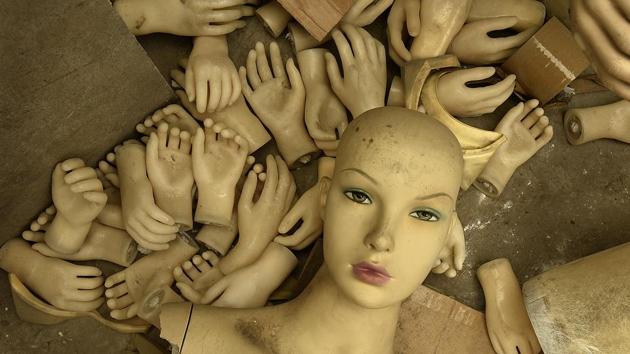
Standing stoic, a mannequin flaunting the latest fashions is the first sight that welcomes any customer to a garment store. Striking their jaunty poses these ubiquitous clotheshorses are often just a passing sight to most of us, shaping not just consumer tastes in fashion but also self-image. To their makers each mannequin is a painstaking strive towards an envisioned ideal, handcrafted in plastic and fiberglass. (Raj K Raj / HT Photo)
2/9
 View Photos in a new improved layout
Updated on Jul 31, 2017 1:01 PM
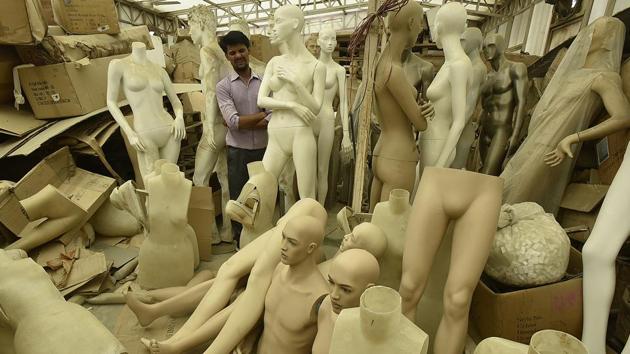
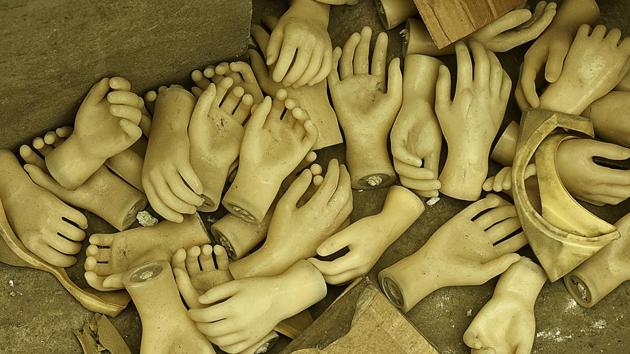
The familiar sight of mannequins poised confidently at storefronts is only the final leg in the journey these silent, lifelike models make. Stepping into one of several businesses that manufacture them one finds mannequins in all stages of creation - limbless, disjointed, naked and awaiting purpose. (Raj K Raj / HT Photo)
3/9
 View Photos in a new improved layout
Updated on Jul 31, 2017 1:01 PM
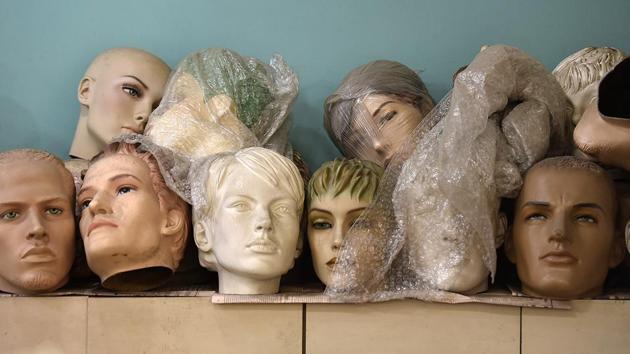
A mannequin begins it journey first as an image in its maker’s mind. This Platonic vision is then given shape, most often in fiberglass using moulds to create a life-size, true to scale mannequin. Once the basic form has been crafted, the dummy is given features according to the buyer’s demand and finally painted. The more laboured ones even get custom expressions and wigs. The entire process typically lasts a couple of days with the more detailed pieces taking longer. (Raj K Raj / HT Photo)
4/9
 View Photos in a new improved layout
Updated on Jul 31, 2017 1:01 PM
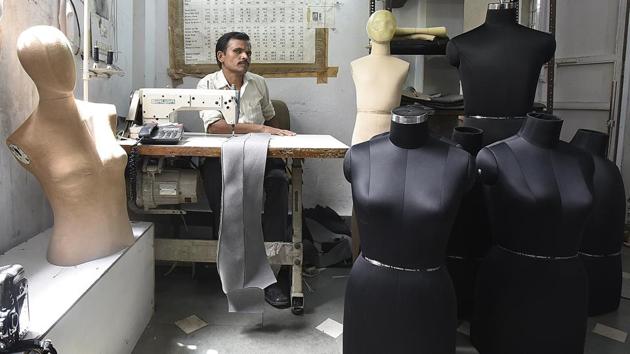
The physique and forms of mannequins are dictated by the demands and the changing aesthetics of the fashion industry. Mannequins in older times were fuller and more akin to everyday human forms while chiseled features, six pack abs and svelte proportions rule today. Where older generations of mannequins were made from wax, industrial developments and demands for lifelike appearances gave rise to materials like plaster and now fiberglass, plastic and latex. (Raj K Raj / HT Photo)
5/9
 View Photos in a new improved layout
Updated on Jul 31, 2017 1:01 PM
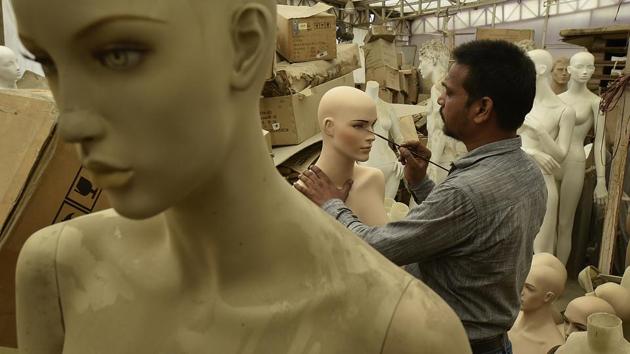
The purpose of mannequins is purely commercial, while their creation is an art. Abroad mannequin making is often automated but in India artists still draw from personal skill, imagination and perception. The craft is often taken up by traditional idol makers who move away from making statues of deities - more seasonal, festival oriented work- for want of better incomes and stable livelihoods. (Raj K Raj / HT Photo)
6/9
 View Photos in a new improved layout
Updated on Jul 31, 2017 1:01 PM
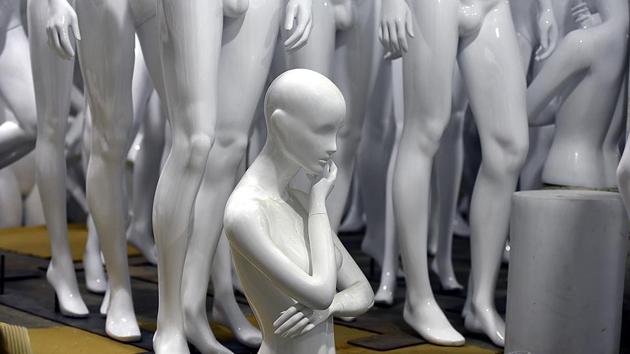
With fashion dictated by western markets, mannequins have also taken the western route. Immediate inspiration comes from couture models who walk the ramp as representatives of contemporary fashion. Mannequins with Indian features were popular a few decades ago but a majority of those made today portray western ideals of beauty owing to changing perceptions. Indian features tend to find buyers among retailers and brands of ethnic clothing. (Raj K Raj / HT Photo)
7/9
 View Photos in a new improved layout
Updated on Jul 31, 2017 1:01 PM
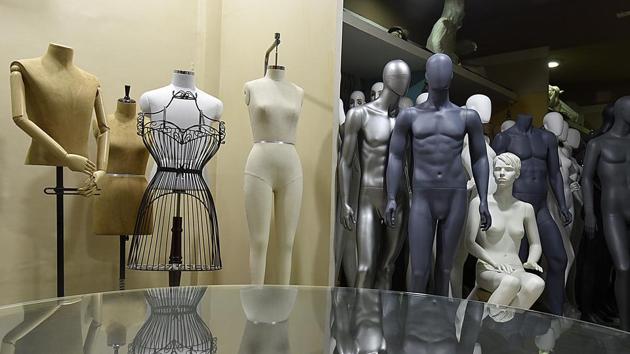
On the one hand, the artists pours their personal visions into making these clotheshorses, striving constantly towards a perfect figure, the buyers who give these mannequins purpose may not necessarily agree. Some retailers prefer to keep mannequins abstract, lacking faces and distinguishing features to draw more attention to the product itself. Other forms include wire frames and barebone dummies which are used only for fittings and not display purposes. (Raj K Raj / HT Photo)
8/9
 View Photos in a new improved layout
Updated on Jul 31, 2017 1:01 PM
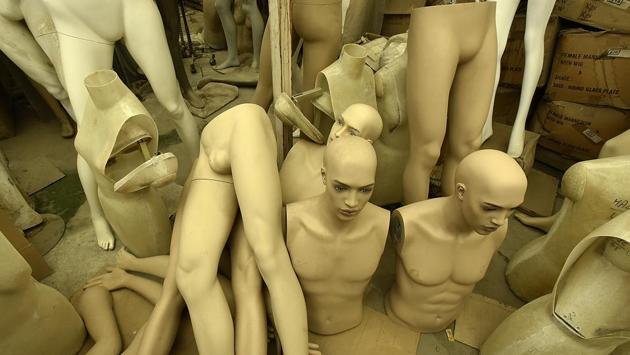
With the price of mannequins going into the tens of thousands, Indian manufacturers also face the dilemma of seeing their creations subject to intensive use by the retailers. Where foreign markets refresh mannequins on a seasonal basis, those in India undergo years of wear and tear, often viewed simply as a tool to drape clothes on and not a work of labour and art. Retailers would rather have mannequins given a fresh coat of paint instead of commissioning a fresh piece. (Raj K Raj / HT Photo)
9/9
 View Photos in a new improved layout
Updated on Jul 31, 2017 1:01 PM


