
 E-Paper



Photos: Torrid weather adds to lockdown woes in North India
India's coronavirus lockdown is slowly being eased in each phase but the restrictions have compounded the miseries of the heatwave that swept through north and central India this week. Adding to a hotter season in general is the recurring water supply imbalance that hits Indian metros and farm workers as demand surges in the summer months.
Updated on: May 30, 2020 4:40 PM IST


Share via


Copy link

1/9

 View Photos in a new improved layout
Updated on May 30, 2020 4:40 PM
Labourers under MNREGA use mortar pans to protect themselves against the scorching sun, at a worksite on the outskirts of Beawar, Rajasthan on May 29. A heatwave sweeping through North and central India this week had mercury hitting 50 Celsius in Rajasthan. Parts of Delhi recorded their hottest May temperatures in over a decade. (PTI)
2/9
 View Photos in a new improved layout
Updated on May 30, 2020 4:40 PM
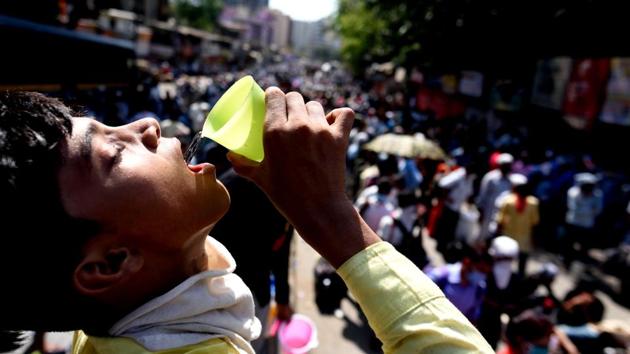
A migrant worker’s child drinks water on a hot afternoon while waiting for a transit bus from Dharavi in Mumbai on May 26. A sweltering summer and water supply surges natural to the summer months, have only aggravated the troubles of everyday Indians reeling under lockdown. (Satish Bate / HT Photo)
3/9
 View Photos in a new improved layout
Updated on May 30, 2020 4:40 PM
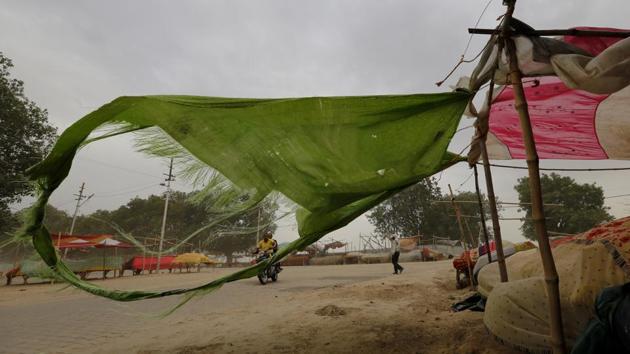
People ride a motorbike as hot dry winds blow in Prayagraj on May 27. Heat stress has killed around 3,500 people around the country since 2015, according to government figures. (Rajesh Kumar Singh / AP)
4/9
 View Photos in a new improved layout
Updated on May 30, 2020 4:40 PM
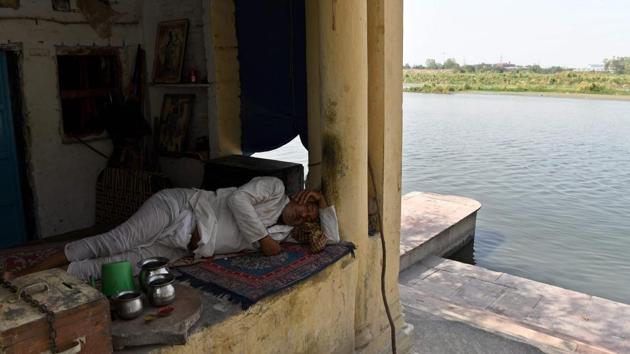
A priest takes an afternoon nap outside a small temple on the banks of the Yamuna river in New Delhi on May 28. In Delhi, the sprawling national capital of around 20 million people, the demand for water outstrips supply by an estimated 760 million litres per day, as reported by AFP. (Prakash Singh / AFP)
5/9
 View Photos in a new improved layout
Updated on May 30, 2020 4:40 PM
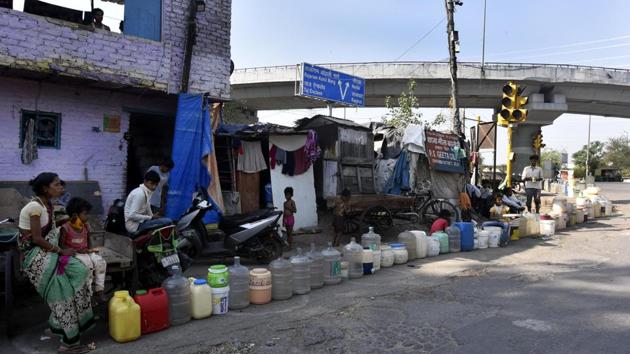
People wait in a queue to collect drinking water from a Delhi Jal Board tanker on a hot summer day in Geeta Colony, New Delhi on May 25. The daily wait for water trucks in the capital’s slum and settlements has become even worse since the pandemic hit the city with social distancing precautions stretching wait times. (Sonu Mehta / HT Photo)
6/9
 View Photos in a new improved layout
Updated on May 30, 2020 4:40 PM
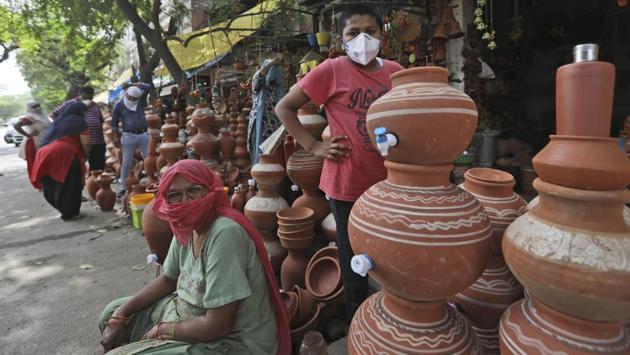
A woman waits for customers as she sells matkas or earthen pots, used to keep water cold during summers in New Delhi on May 28. Even before the coronavirus pandemic, water was in short supply for the estimated 100 million people living in India’s urban slums. Last year the southern city of Chennai ran out of water entirely. (Manish Swarup / AP)
7/9
 View Photos in a new improved layout
Updated on May 30, 2020 4:40 PM
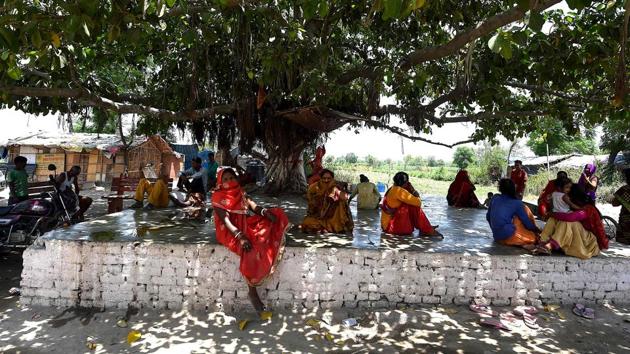
People sitting under the shade of a tree on hot summer day in New Delhi on May 26. Tarun Gopalakrishnan from the Centre for Science and Environment think-tank told AFP that India must brace for frequent periods of extreme heat in the future. (Money Sharma / AFP)
8/9
 View Photos in a new improved layout
Updated on May 30, 2020 4:40 PM
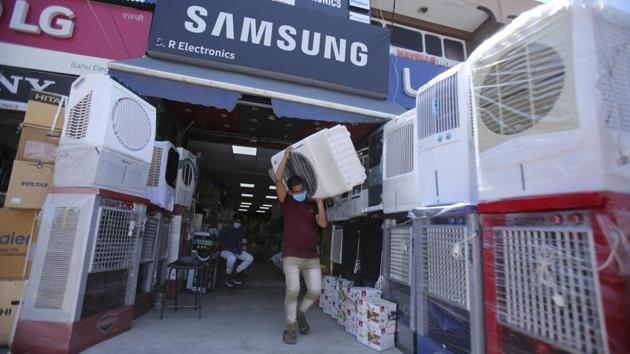
A worker carries an air cooler from a shop in Jammu on May 26. Only around seven percent of Indian households have air conditioning, reported AFP, despite rising incomes making the luxury more affordable for some. (Channi Anand / AP)
9/9
 View Photos in a new improved layout
Updated on May 30, 2020 4:40 PM


