
 E-Paper



Photos: Water scarcity looms in Maharashtra after failed monsoon
With just 23% of the Marathwada region’s water stock left and nine months till next monsoon, a familiar crisis of water scarcity begins for its people and cattle. As Maharashtra stares at another drought, HT begins its coverage of affected areas, the human faces behind the crisis and official responses, with a report from Aurangabad and Beed. This is the region’s 3rd drought in 5 years.
Updated on: Oct 30, 2018 11:50 AM IST

Share via


Copy link

1/8
 View Photos in a new improved layout
Updated on Oct 30, 2018 11:50 AM
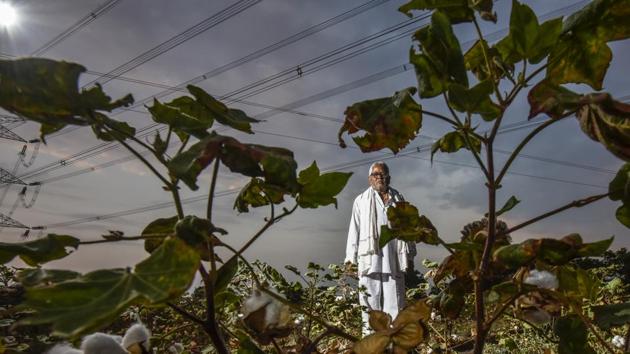
Ganesh Nevde, a former sarpanch of Kamkheda village in Beed district, says he suffered losses of ₹6,000 for every acre of his 12-acre cotton fields as rains failed this year. He has no money to sow the crop next season. Officially, the monsoon in Maharashtra ended on September 30. However, in Beed, Mangal Waghmare, a farm labourer said it’s like it skipped a season bar a brief spell in July. (Kunal Patil / HT Photo)
2/8
 View Photos in a new improved layout
Updated on Oct 30, 2018 11:50 AM
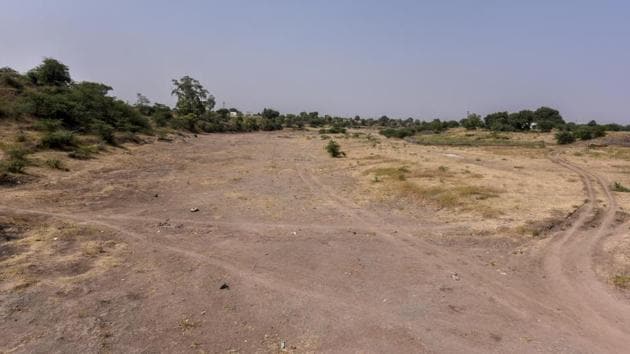
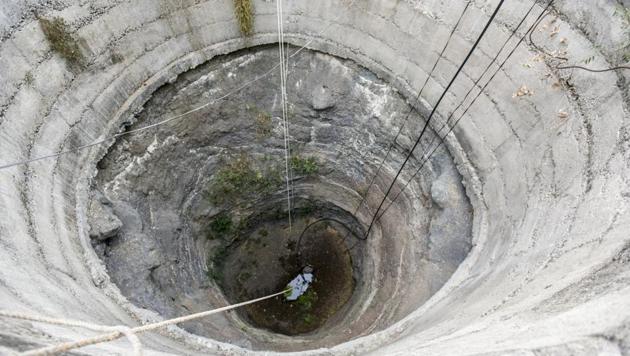
A view of a dried-up local tributary of the Godavari River, in Aurangabad district. 266km from Aurangabad city, alarm bells started ringing in Kamkheda when the retreating monsoon also failed this month. Drinking-water supply threatens to run out any day now and a 1,000-litre water tank costs ₹300. The village’s proposal asking for tankers, has so far not been granted by the district collectorate. (Kunal Patil / HT Photo)
3/8
 View Photos in a new improved layout
Updated on Oct 30, 2018 11:50 AM
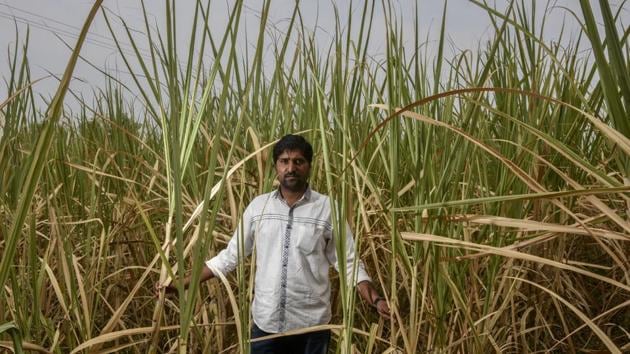
Sarpanch and farmer Amol Tipale in Hirapur village, Beed District. Chandrakant Suryavanshi, resident deputy collector of Beed says rainfall this year is 50% less than its annual average of 666.36mm, and the groundwater table in the district depleted by 2.21m compared to the five year average. While water usage has been planned till June next year, the scarcity is serious. (Kunal Patil / HT Photo)
4/8
 View Photos in a new improved layout
Updated on Oct 30, 2018 11:50 AM
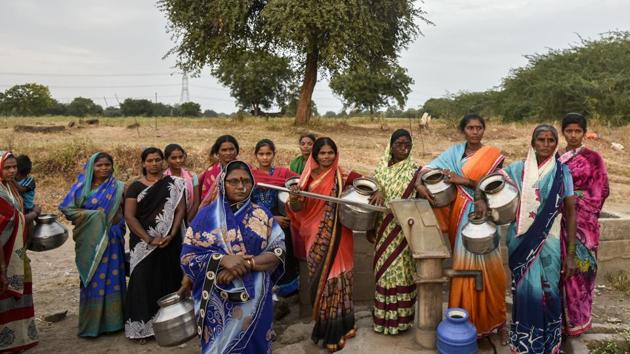
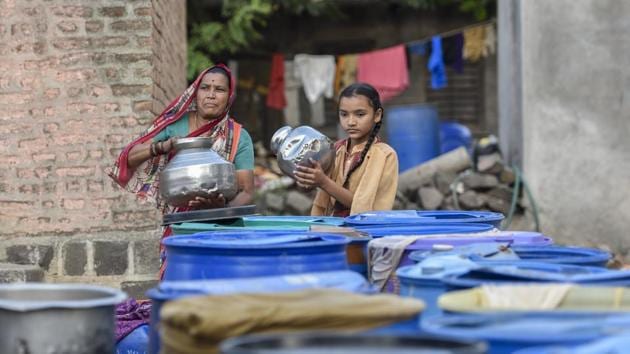
For the next eight to nine months before the next monsoon, Waghmare’s big fear is that the daily struggle for water and zero income will come at the cost of her daughter’s education. “Forget looking for work or earning some income, our biggest struggle has been to get enough water daily. It means walking for 2-3km twice a day or purchasing water from private tankers.” (Kunal Patil / HT Photo)
5/8
 View Photos in a new improved layout
Updated on Oct 30, 2018 11:50 AM
While only 237 tankers have been pressed into service so far in Marathwada with Aurangabad district getting the larger share of 195, officials said this figure could multiply by five times over next summer. The big job for villagers who have stayed back is to ensure that they don’t miss the tankers. But, just when one could make its way to the village, is anyone’s guess. (Kunal Patil / HT Photo)
6/8
 View Photos in a new improved layout
Updated on Oct 30, 2018 11:50 AM
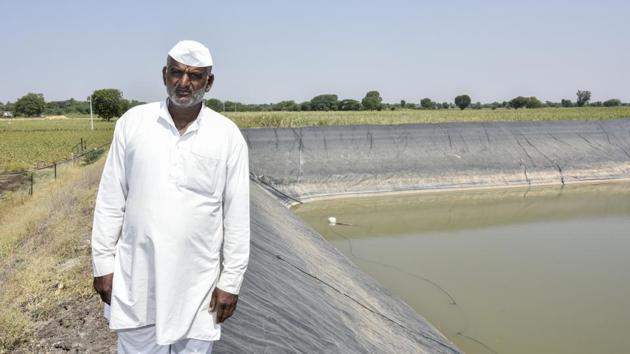
The problem of providing water for cattle has also become grim and distress selling has brought down the prices of animals. Balasaheb Chavan from Wadali village in Aurangabad district for instance sold his pair of bullocks brought for ₹60,000 three years ago, for ₹35,000 this month. (Kunal Patil / HT Photo)
7/8
 View Photos in a new improved layout
Updated on Oct 30, 2018 11:50 AM
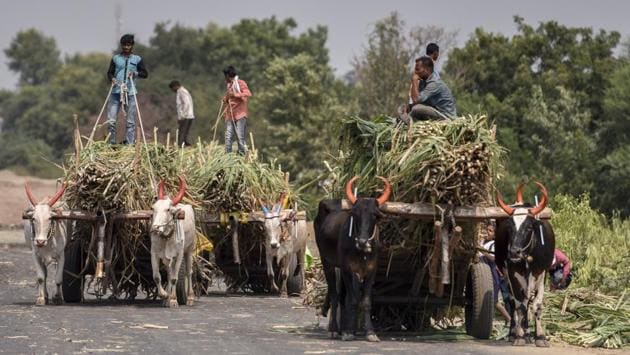
Farmers transport sugar cane to a factory in Jalna. Families comprising only the elderly and children (as most youth have migrated in search of jobs) suffer the most in the scramble for water, said Harishchandra Dusi, a cotton farmer from Boltan village. “We can survive on subsidised rations provided through public distribution service, but the struggle for water is only going to get harder,’’ he said. (Kunal Patil / HT Photo)
8/8
 View Photos in a new improved layout
Updated on Oct 30, 2018 11:50 AM


