
 E-Paper



Greece’s Moussaka to Argentina's Asado: menu fit for a football fan
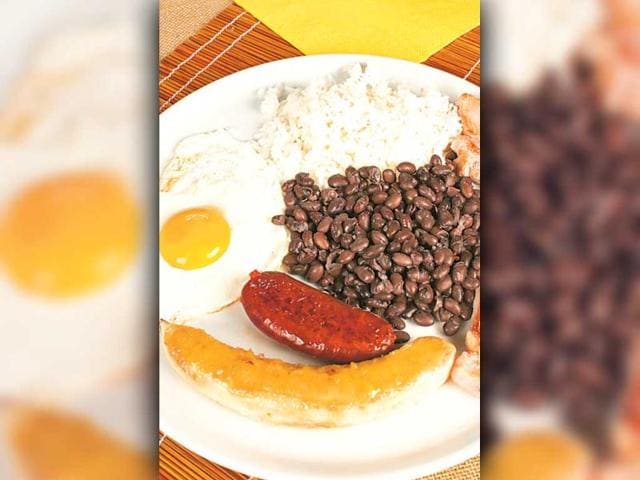
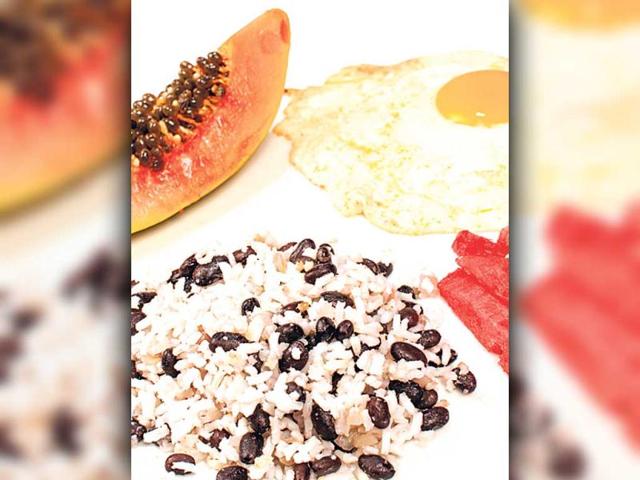
BANDEJA PAISA, Colombia The Bandeja Paisa is unofficially considered Colombia’s national dish. It is a mix of many items including white rice, fried eggs, plantain, chorizo, red beans, pork, avocado and lemon. The dish is called by several names like Bandeja De Arriero, Bandeja Montañera and Bandeja Antioqueña. Bandeja Paisa comes from a region of Colombia, where the people are called Paisas.
Updated on: Jul 8, 2014 1:30 PM IST


Share via


Copy link

1/8
 View Photos in a new improved layout
Updated on Jul 8, 2014 1:30 PM
BANDEJA PAISA, Colombia The Bandeja Paisa is unofficially considered Colombia’s national dish. It is a mix of many items including white rice, fried eggs, plantain, chorizo, red beans, pork, avocado and lemon. The dish is called by several names like Bandeja De Arriero, Bandeja Montañera and Bandeja Antioqueña. Bandeja Paisa comes from a region of Colombia, where the people are called Paisas.
2/8
 View Photos in a new improved layout
Updated on Jul 8, 2014 1:30 PM
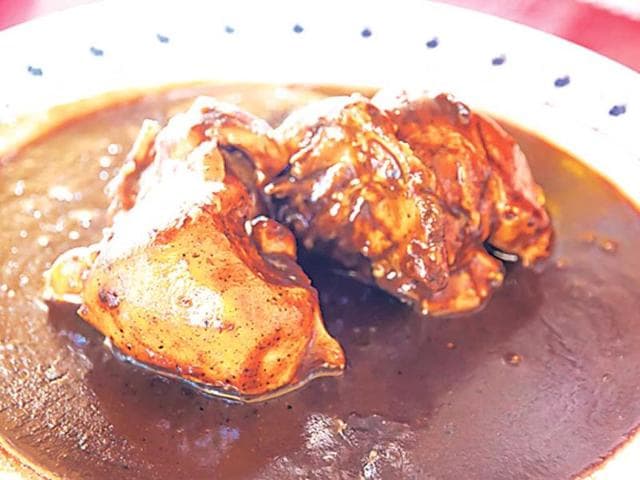
MOLE POBLANO, Mexico Even though Mole is just a title given to the sauces used in Mexico that go with meat or vegetarian preparations, the Mole Poblano is what is considered the country’s national food. This sauce is flavoured with chocolate and is cooked for hours to get the required consistency. The making involves the use of over 30 ingredients. This dish’s origin is highly debated.
3/8
 View Photos in a new improved layout
Updated on Jul 8, 2014 1:30 PM
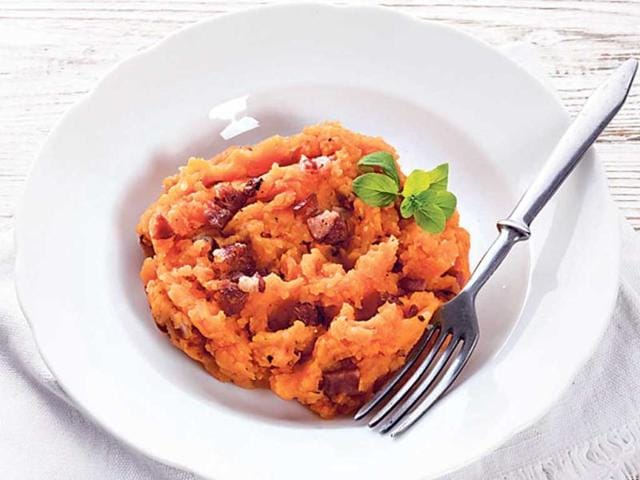
STAMPPOT, Netherlands Stamppot or ‘stomp the pot’ is a simple dish: boil some potatoes, kale and other vegetables. Mash them, mix them and then mash them some more. Depending on what you top this meal with, ideally meat or a sausage of your choice — you can make it vegetarian or non-vegetarian. Although its origin remains unknown, it’s considered one of the most traditional Dutch meals of all times. Some claim that it dates back to the 1500s.
4/8
 View Photos in a new improved layout
Updated on Jul 8, 2014 1:30 PM
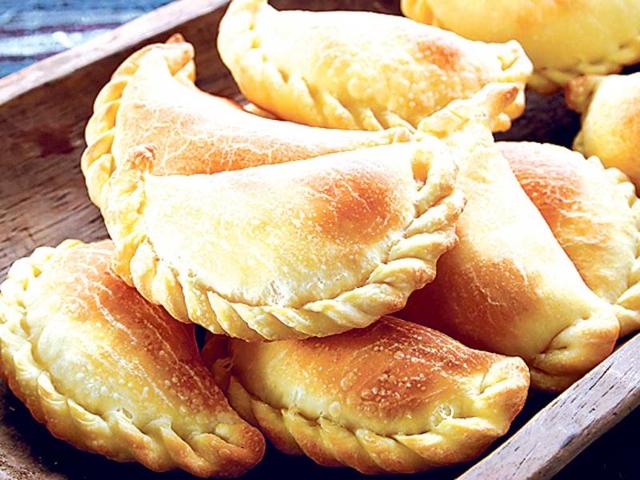
EMPANADAs DE PINO, ChileEmpanadas De Pino are the most popular variety of empanadas consumed in Chile. Pino, the filling, is a combination of beef, eggs, peppers, onions, olives and hot sauce. The empanada dough is prepared using flour, salt, sugar, butter, water and eggs, and the filling is stuffed before you either fry or bake it. You can also add cheese and butter, along with any filling of your choice, to create variations. The name comes from the Spanish term ‘empanar’ that means to coat in breadcrumbs.
5/8
 View Photos in a new improved layout
Updated on Jul 8, 2014 1:30 PM
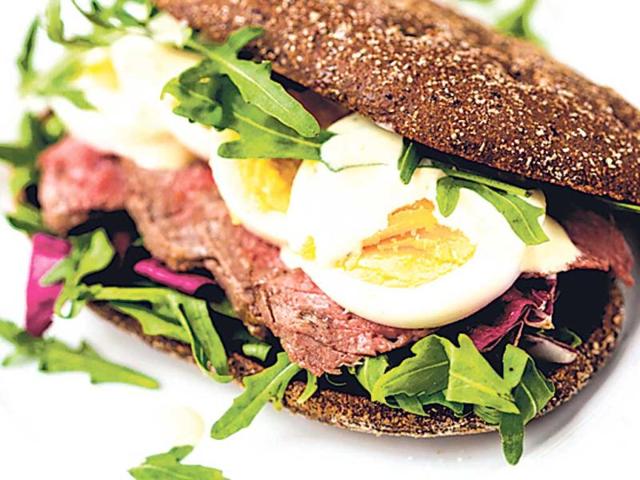
CHIVITO, Uruguay The Chivito sandwich is Uruguay’s national dish. It is made using bacon, steak, onion, ham, cheese, tomato, lettuce and a fried egg on top. In a report about its origin in the ‘60s, thekitchn.com claims, “An Argentine asked a restaurant owner for a dish of roasted goat like the one she was accustomed to back home. The chef had no goat, but he put together a sandwich and topped it with a little of just about everything in the kitchen.”
6/8
 View Photos in a new improved layout
Updated on Jul 8, 2014 1:30 PM
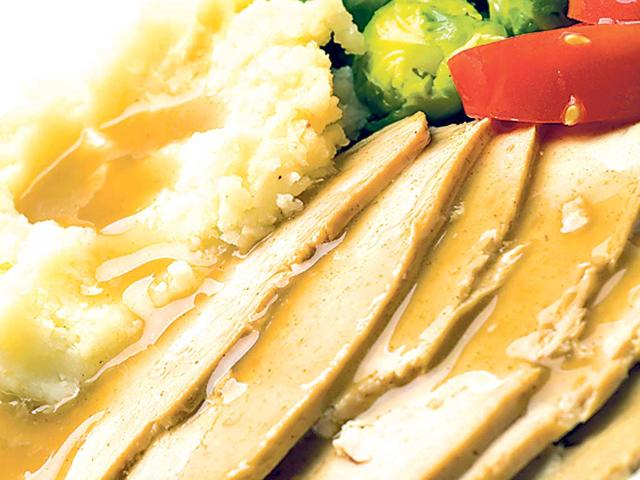
STOEMP, Belgium A variation of the Netherlands’ Stamppot, this one also includes a mash of everything you would like to include in your meal — traditionally comprising potatoes, or meats and other spices.
7/8
 View Photos in a new improved layout
Updated on Jul 8, 2014 1:30 PM
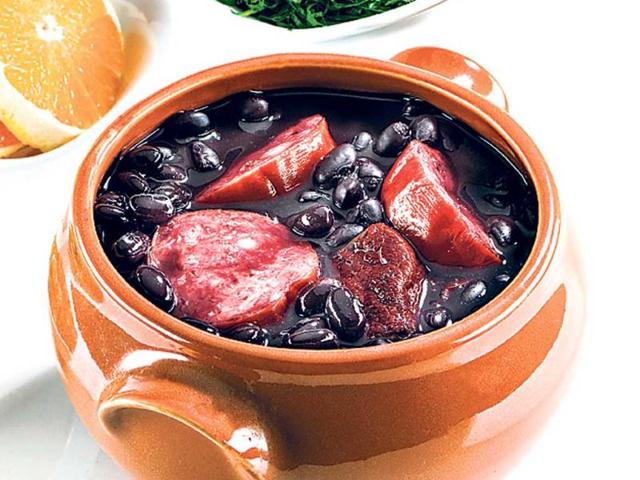
FEIJOADA, Brazil Feijoada is considered to be Brazil’s signature item. Served with steamed rice, this mix of beans, pork or beef can be consumed with vegetables too. When making the non-vegetarian dish, the vegetables are added towards the end, so they cook on steam. Some stories say that the Feijoada finds its origins in food made by the slaves in some Brazilian districts.
8/8
 View Photos in a new improved layout
Updated on Jul 8, 2014 1:30 PM


